Trending
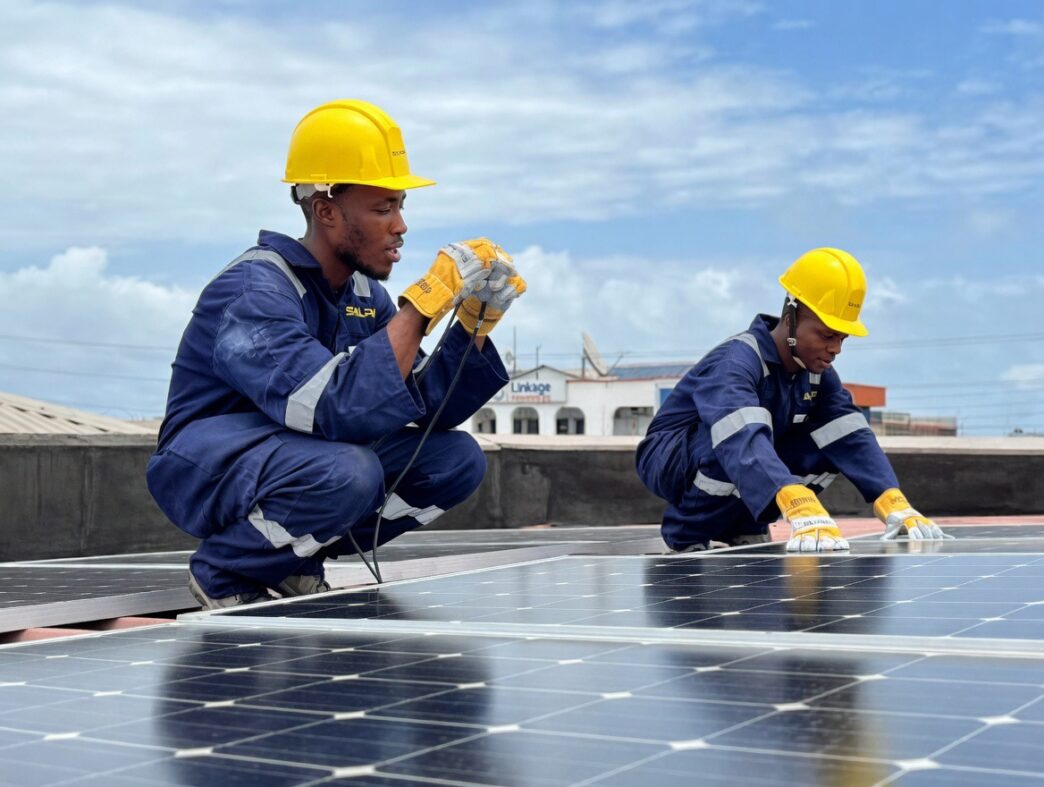
Nigeria has moved beyond using solar power to producing it, as the country has expanded local manufacturing and has begun exporting solar panels.
With about $425 million invested in new facilities, Nigeria’s solar production capacity has grown from 120 megawatts (MW) to 300 MW in just two years. This marks a shift from heavy dependence on imports to building a local supply chain.
Experts say this change is strategic. “The significance here is more about positioning; Nigeria is trying to capture part of the value chain instead of just buying finished products,” said energy analyst Michael Adeoye.
Across Africa, demand for solar energy is rising fast. The continent added 4.5 gigawatts (GW) of solar power in 2025 but still imported around 18 GW of panels, showing a major gap between demand and local production. Nigeria is trying to fill part of that gap. According to the Rural Electrification Agency (REA), eight new renewable energy factories were funded in 2025. Solar panels assembled in Lagos are already being exported to Accra, Ghana.
“For the first time, Nigeria is producing solar panels locally, and they are already being exported,” said REA Managing Director Abba Aliyu.
This shift is also changing import patterns. Instead of importing finished panels, Nigeria is now bringing in more parts for local assembly. Adeoye said, “The more important signal is not just production, but what goes into it.”
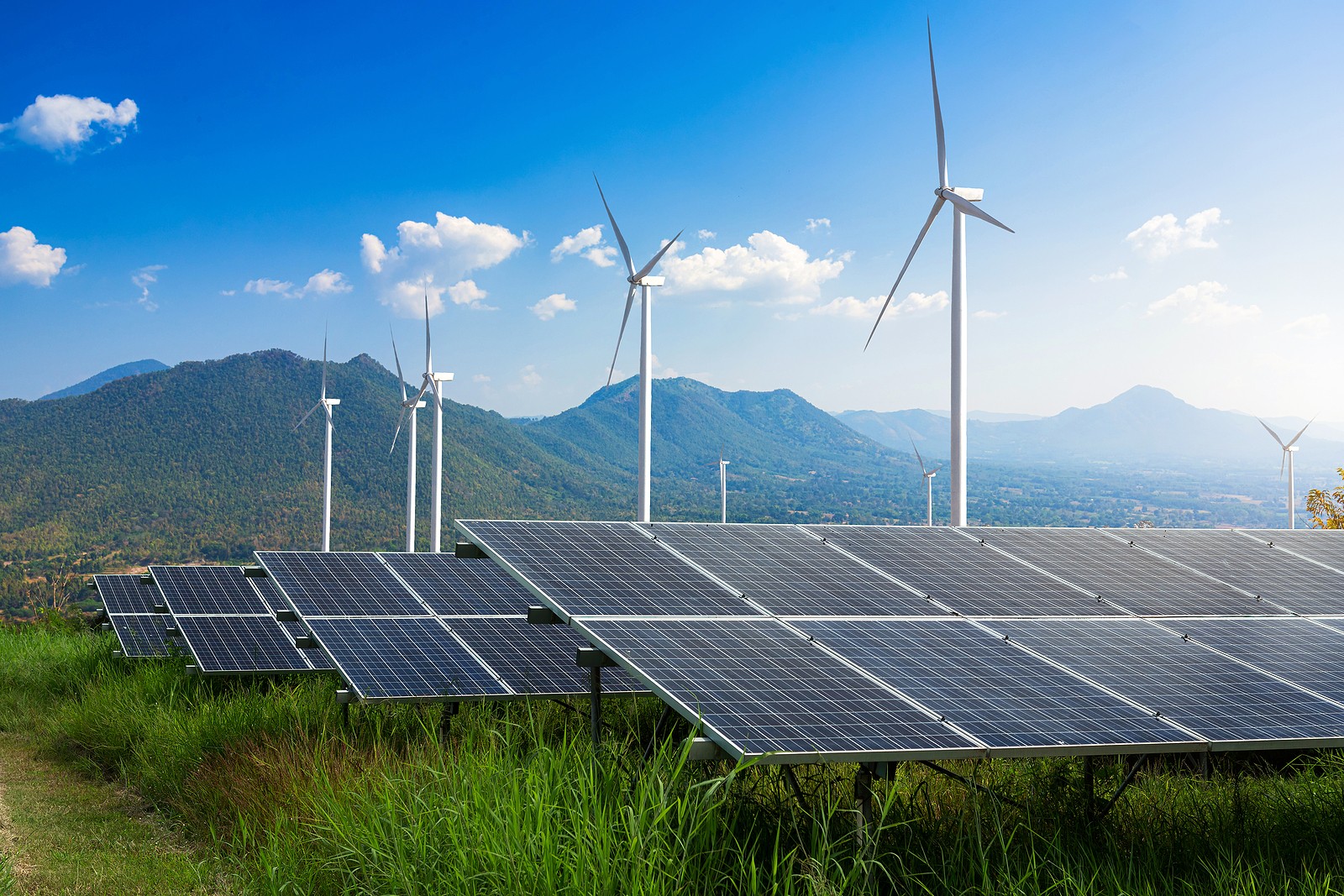
Other African countries are also entering solar manufacturing in different ways. South Africa is focusing on assembly plants, Ethiopia is attracting foreign investment for technology transfer, while Morocco is investing in raw material production.
Nigeria is combining policy, funding, and demand to grow the sector. Government programmes are supporting solar projects while encouraging private investment. “The goal is to meet local energy needs and serve neighbouring countries,” said Former Energy Minister Adebayo Adelabu.
Still, challenges remain. Most high-value materials are imported, and moving into full-scale manufacturing will require more funding and technical expertise.
“Scaling beyond assembly will need bigger investment and strong policies,” Adeoye noted.
For now, Nigeria’s early exports signal a new direction, one that could position the country as a key player in Africa’s growing solar energy market.
Credit: Bonface Orucho, Bird Story Agency.