Trending
The International Monetary Fund (IMF) has reached a staff-level agreement on a new $439 million financing programme for Guinea to help the West African country harness its mineral resources to boost economic development.
The more than three-year programme followed an IMF delegation’s visit to Conakry in June, where it held discussions with Prime Minister Amadou Oury Bah, Finance Minister Mourana Soumah and other senior government officials, according to a statement issued on Tuesday.
The agreement still requires approval from the IMF Executive Board, which is expected to consider it in September.
Read More : Abia Arrests 86 Over Sanitation Violations
Guinea is a major producer and exporter of bauxite, while agriculture remains the main source of employment for much of its population.
The mining sector is also a major contributor to government revenue and foreign exchange earnings.
IMF official Izabela Karpowicz said Guinea was at an important economic turning point, particularly with new mining projects expected to boost growth and government revenue.
She said the proposed programme would help the authorities manage the country’s resource wealth effectively, invest in people and infrastructure, diversify the economy, and maintain prudent economic policies.
“The proposed program would help the authorities channel these opportunities into lasting development gains by supporting sound resource management, investment in people and infrastructure, economic diversification, and prudent macroeconomic policies,” she said.
Karpowicz said the new mining projects could create significant opportunities for stronger economic growth and increased revenue mobilisation if properly managed.
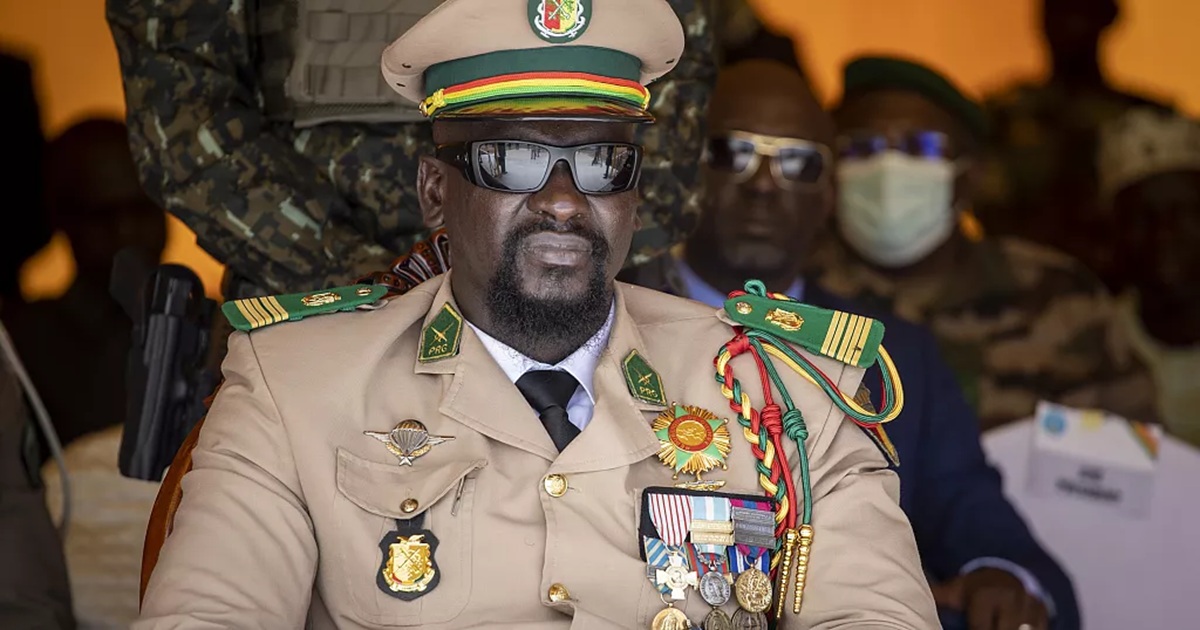
The programme comes under President Mamadi Doumbouya, who seized power in a 2021 military coup before winning the presidency in December 2025, despite initially pledging to return the country to civilian rule after a transitional period.
His supporters and allied parties secured more than 80 percent of parliamentary seats in elections held in May.
Read More : Gbajabiamila Denies PFIPC Allegations
Doumbouya’s government has faced criticism over its treatment of political opposition and civil society, with several political parties suspended and protests restricted. A number of opposition and civil society figures have also been arrested, convicted or forced into exile.
Guinea’s previous three-year IMF programme, which provided about $170 million in financing, ended in 2020.
The country currently has about $202 million in IMF debt repayments due over the next three years, roughly half the value of the new financing programme.