Trending
Cotton transformed the life of 71-year-old farmer Rwomubuza John. The crop paid for his children’s education and enabled him to build rental houses that now generate additional income for his family.
Rwomubuza, who farms more than six acres in Kitabu Cell, Muhokya Sub-county, is among generations of farmers in Uganda’s Kasese District who have relied on cotton as a dependable source of livelihood.
Nestled in western Uganda near the border with the Democratic Republic of Congo, Kasese has long been one of the country’s cotton-producing regions.
“Cotton has done a lot for my family. It educated my children and helped me invest in rental property,” Rwomubuza says.
His children have since embraced cotton farming themselves, ensuring the crop remains central to the family’s economic future.
Across Kasese, cotton continues to provide income for thousands of farming households. But growers, agricultural officials and industry stakeholders say the sector has yet to realise its full potential. They argue that investments in irrigation, improved seed varieties, affordable farm inputs and a more transparent pricing system could significantly boost production and profitability.
Kasese is home to three cotton ginneries, Rwenzori Cotton Ginnery in Nyakatonzi, Hamudani Ginnery and Mundawulira Ginnery, all located within Kasese Municipality.
Together, they provide a ready market for farmers in surrounding cotton-growing areas such as Muhokya Sub-county, Nyamwamba Division and Mubuku Town Council.
Combined with an experienced farming community and proposed irrigation projects, this existing infrastructure offers a strong platform for revitalising the district’s cotton industry.
A Crop That Built Livelihoods
Cotton is typically planted between July and August, depending on the onset of seasonal rains, and harvested from February to March. For farmers like Rwomubuza, the crop has long been more than a source of annual income; it has financed lasting investments and improved household welfare.
Yet rising production costs are making it increasingly difficult to sustain those gains.
“Cotton requires a lot of labour and expensive chemicals,” he says.
“The government should ensure farmers receive better prices.”
Mwesige Eric, who cultivates four acres of cotton in Rukoki Cell, Nyamwamba Division, shares similar concerns. He describes cotton as a family enterprise that has sustained households for generations but says profitability has declined as input costs have risen.
Growing cotton is labour-intensive. Farmers often weed fields as many as six times during a season and must spray pesticides regularly to control pests and diseases. The crop also takes about six months to mature.
Mwesige believes farmers should have a greater say in setting prices.
“The government should bring farmers and buyers together to agree on a fair price per kilogram,” he says.
According to him, farmers have generally earned between UGX1,500 and UGX2,000 (US$0.40-0.53) per kilogram in recent years, even as the prices of pesticides and other farm inputs have continued to rise.
Because cotton is grown primarily as a cash crop, growers rely almost entirely on harvest proceeds to recover production costs.
Mwesige says more predictable pricing would enable farmers to make informed decisions about how much land to allocate to cotton each season.
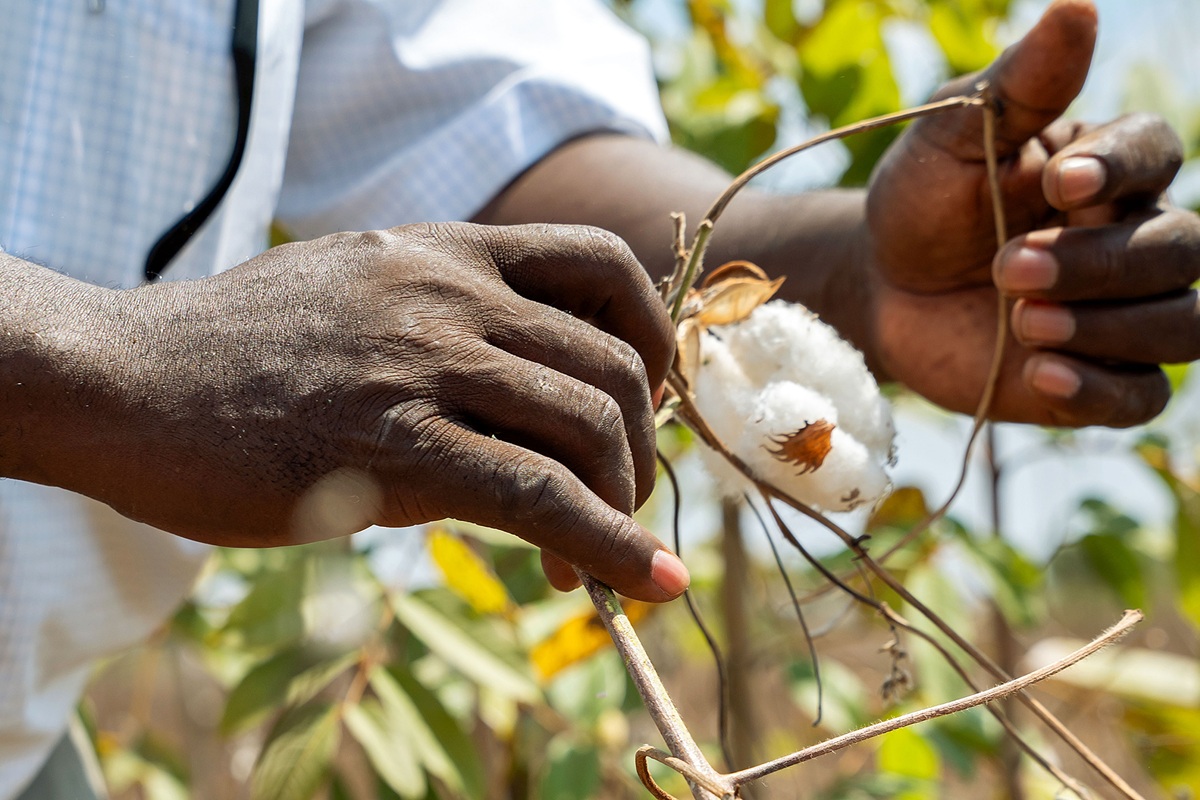
He also notes that prices announced before planting sometimes differ from those offered at harvest, creating uncertainty that could be reduced through greater transparency between farmers, ginners and other industry players.
Irrigation Seen as Game Changer
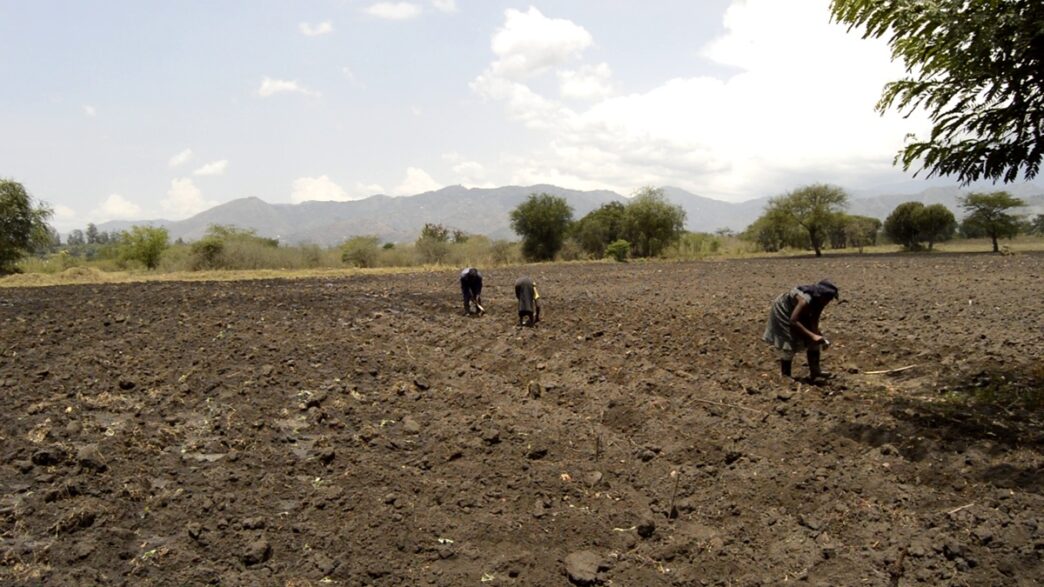
One of the biggest constraints facing cotton production in Kasese is its dependence on rainfall.
Most farmers rely entirely on rain-fed agriculture, leaving them vulnerable to increasingly erratic weather patterns that have made planting seasons less predictable.
Adrian Katwetegeke, regional field officer for the Uganda Cotton Ginners and Exporters Association, says delayed rainfall has become a growing challenge.
Traditionally, planting begins around mid-July after consistent rains arrive. This year, however, rainfall had remained insufficient by late July.
“The rains have changed. Many farmers are anxious and want to plant immediately after receiving a small amount of rainfall, but the soil is still too dry,” Katwetegeke says.
He advises farmers to prepare their fields and obtain quality seed but to delay planting until the soil has received enough moisture. Planting too early, he warns, increases the risk of poor germination if brief showers are followed by prolonged dry spells.
Katwetegeke says better weather forecasting and timely extension advice would help farmers adapt to changing climate conditions.
In the longer term, he believes expanding irrigation infrastructure could fundamentally reshape cotton production by reducing reliance on rainfall.
“It is our wish that irrigation infrastructure is expanded to cover more cotton-growing areas so farmers who want to irrigate can access the service,” he says.
The existing Mubuku Irrigation Scheme has already demonstrated the benefits of irrigation in parts of Kasese, although coverage remains limited.
Kasese District Principal Agricultural Officer Julius Rukara says the government plans to expand irrigation around areas including Mubuku Prison Farm, an important cotton-producing zone that frequently experiences prolonged dry spells.
If implemented, the expansion could reduce production risks while protecting farmers’ investments in seed, fertiliser and labour.
Improved Seeds Could Shorten Production Cycle
Agricultural experts also see significant potential in developing cotton varieties that mature more quickly.
Rukara has urged Uganda’s National Agricultural Research Organisation to develop improved varieties that mature within three to four months instead of the current six-month growing period.
“If shorter-maturing varieties are developed, farmers will be able to harvest even when rainfall is limited,” he says.
Earlier-maturing varieties could help farmers maximise increasingly shorter rainy seasons, reduce exposure to drought and generate income sooner.
Katwetegeke adds that improved seeds must be supported by effective agricultural extension services to ensure farmers adopt recommended farming practices and manage pests effectively.
Providing affordable inputs, high-quality seed and practical technical advice, he says, would improve productivity while lowering production costs.
Building A More Competitive Cotton Industry
Although Kasese’s three ginneries provide an established market for growers, farmers say the relatively small number of buyers limits their bargaining power.
Uganda exports much of its cotton, meaning farmgate prices are heavily influenced by international market conditions.
Katwetegeke says growers earned about UGX1,500 to UGX1,700 per kilogram during the last season, down from roughly UGX1,900 the previous year and around UGX2,000 in earlier seasons.
While global market forces cannot be avoided, closer collaboration between government, ginners and farmers could improve price transparency and strengthen confidence in the market.
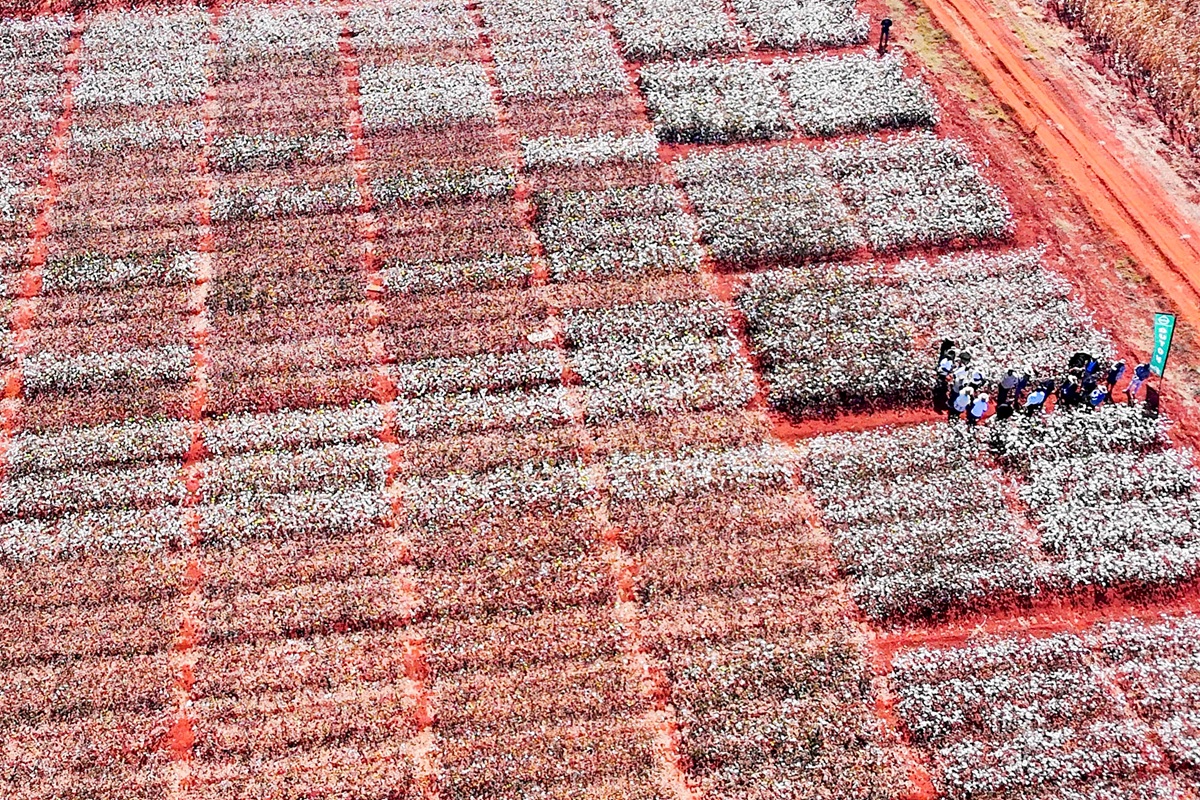
Farmer cooperatives could also play an important role by helping growers purchase inputs collectively, aggregate produce and negotiate better prices. Further reporting, however, is needed to determine the extent to which such organisations are already active in Kasese.
Cotton is also facing increasing competition from cocoa, coffee and vanilla, crops that currently offer stronger prices and more reliable markets.
Rather than signalling cotton’s decline, that competition highlights what the industry must do to remain attractive: offer better returns, lower production costs and greater certainty for farmers.
Unlocking cotton’s next chapter
Kasese already possesses many of the ingredients needed for a thriving cotton sector. Experienced farmers, functioning ginneries, established production zones and decades of accumulated knowledge remain important strengths.
The challenge now is to create conditions that allow those strengths to translate into higher incomes.
Expanding irrigation would reduce dependence on unpredictable rainfall. Faster-maturing seed varieties could shorten production cycles. Affordable inputs and stronger extension services would improve yields, while transparent pricing and stronger farmer organisations could give growers a fairer share of the crop’s value.
For Rwomubuza, the benefits of cotton are visible in the children he educated, the rental houses he built and the next generation that has continued the family business.
Whether more families can achieve similar success will depend on how quickly these proposed reforms are translated into practical support for cotton growers across Kasese.
By Kajumba Gorret, Bird Story Agency