Trending
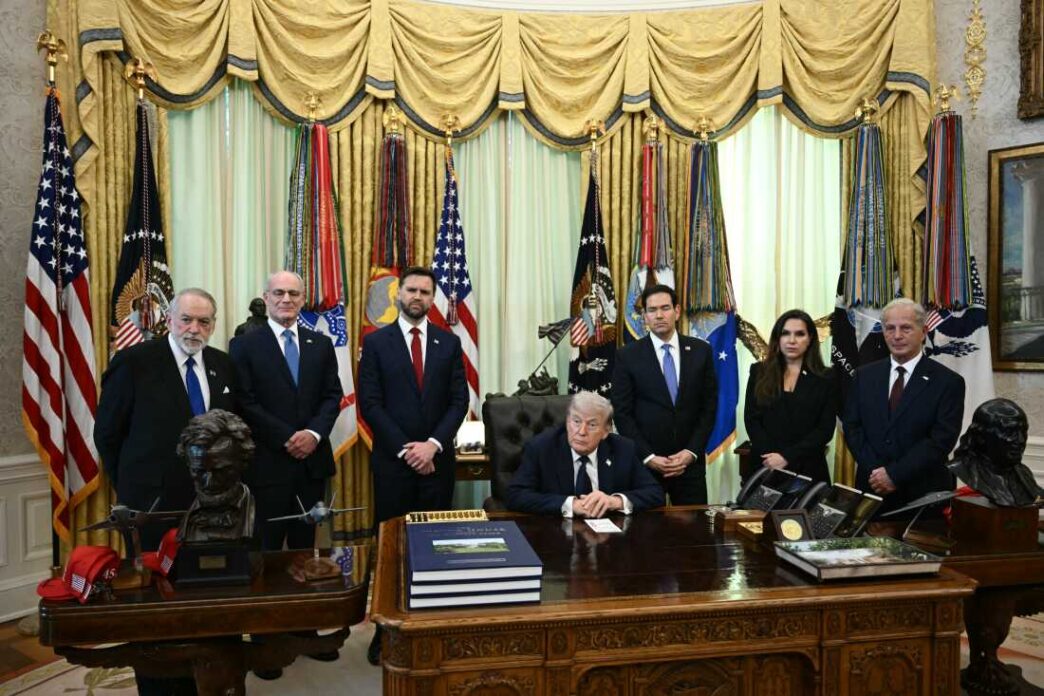
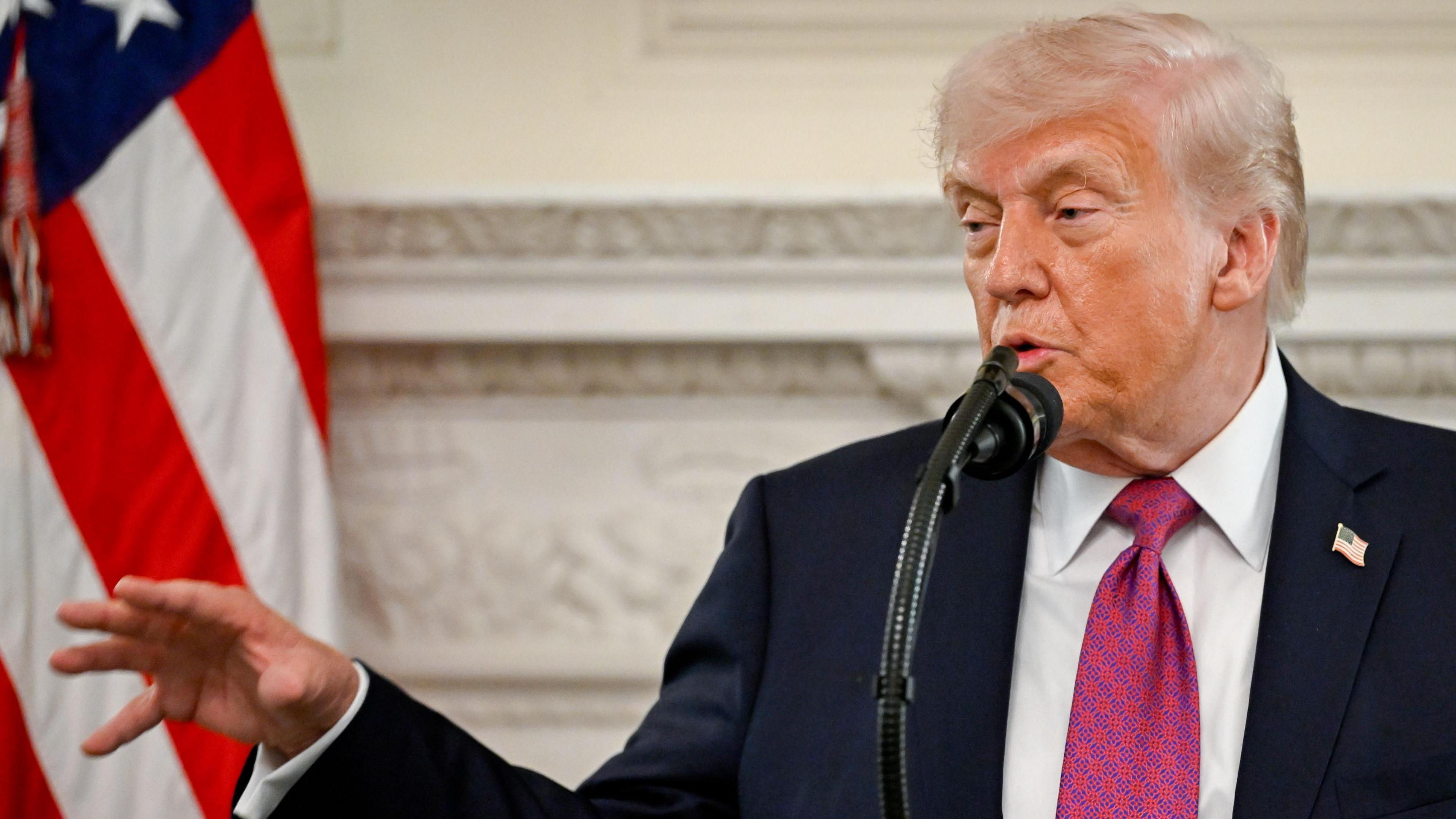
Israel and Lebanon have agreed to extend their fragile ceasefire by an additional three weeks, a development announced by U.S. President Donald Trump following high-level meetings in Washington.
While the president expressed optimism that a comprehensive peace deal between the two nations is within reach, tensions remain high.
Read More : Arab States Condemn Ben-Gvir’s Al-Aqsa Incursion
— Department of State (@StateDept) April 23, 2026
Despite the extension, Hezbollah reported downing an Israeli drone, and political leaders in Lebanon have voiced significant opposition to any lasting treaty, citing a lack of national consensus.
Parallel to the Mediterranean conflict, diplomatic efforts are intensifying in Pakistan, which continues to mediate between the U.S. and Iran.
Iranian Foreign Minister Abbas Araghchi is scheduled to arrive in Islamabad on Friday night as part of a regional tour that includes stops in Muscat and Moscow.
This diplomatic push comes amid a crippling naval standoff in the Strait of Hormuz, where rival blockades have severely disrupted global oil and gas supplies, though news of the renewed talks caused a slight dip in global oil prices.
Read More : Australia Launches UN Security Council Bid
Despite the diplomatic activity, the broader regional outlook remains dominated by military posturing and significant human loss.
President Trump has signalled that while he is hopeful for a historic three-way meeting with Israeli and Lebanese leaders, he remains in “no rush” to end the war with Iran, stating that time is running out for Tehran.
Meanwhile, the U.S. has bolstered its regional presence with three aircraft carriers, as Iran maintains its blockade of the Strait of Hormuz in response to American naval pressure.