Trending
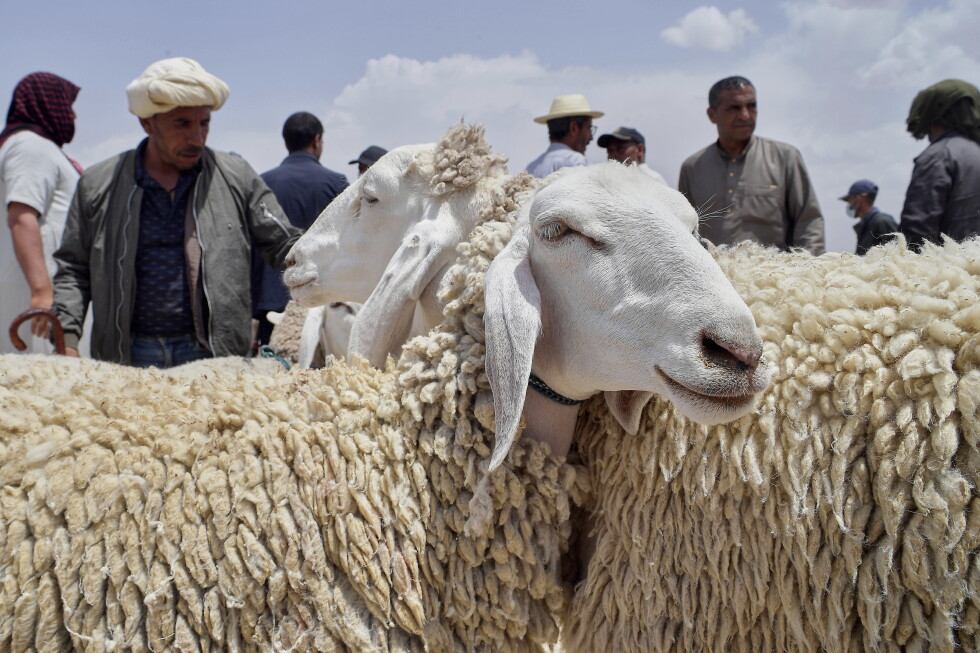
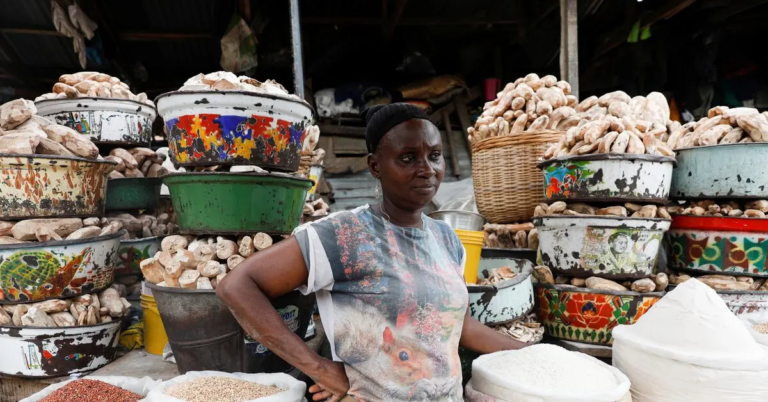
Shoppers in Abidjan are navigating waterlogged, muddy markets in search of affordable sheep for the upcoming Eid al-Adha festival, known locally in West Africa as Tabaski.
Livestock prices have surged drastically this year, driven by a severe supply crunch.
The Ivory Coast relies heavily on imports to meet its holiday demand, typically sourcing roughly 75 per cent—about 350,000 head of sheep and cattle—from neighbouring Sahelian nations such as Burkina Faso, Mali, and Niger.
However, recent export bans enacted by Burkina Faso and Niger to shield their own domestic markets have choked off legal supply lines.
For livestock originating in Mali, transport routes have become treacherous due to roadblocks enforced by regional terrorist groups.
While a fraction of supply manages to slip across borders illegally, stringent security checkpoints on the Burkinabé side have kept these numbers low, leaving many local vendors with hundreds of prepaid animals stranded outside the country.
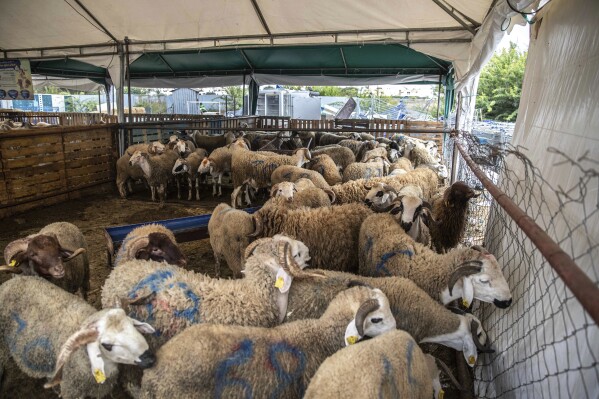
This sharp drop in inventory has triggered intense bargaining in markets like Adjamé, where sellers refuse to lower prices because of high overheads and limited stock.
Buyers complain that a quality ram that cost 200,000 CFA francs last year now commands at least 250,000 CFA francs ($440).
This dramatic inflation has priced out many citizens in a nation where the official monthly minimum wage stands at just 75,000 CFA francs ($131).
Read More : Oil Prices Rise on Saudi Risk, Diesel Flow
Though the trade ministry maintains that nearly half of the required national demand has successfully reached the markets, many livestock shoppers are struggling to find options within their traditional budgets.
In response to the crisis, Ivorian authorities have pledged to ramp up local livestock breeding programmes, which currently cover less than half of national demand.
However, officials face a cultural hurdle, as locally bred sheep are historically smaller than the prized Sahelian breeds preferred by families for the major religious feast.