Trending
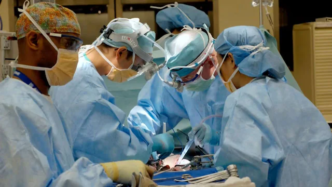
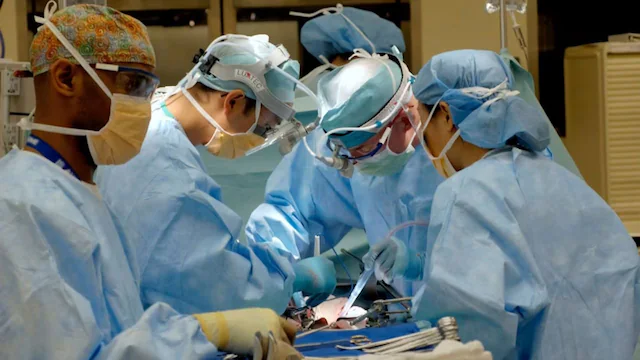
A Japanese hospital has carried out the world’s first surgery using commercially available heart muscle stem cell sheets.
According to AFP, doctors at Osaka Keisatsu Hospital performed the one-hour operation on a woman in her 50s on Tuesday.
The procedure used heart muscle cells made from induced pluripotent stem cells, known as iPS cells. It was the first clinical use of the treatment since Japan conditionally approved it in March.
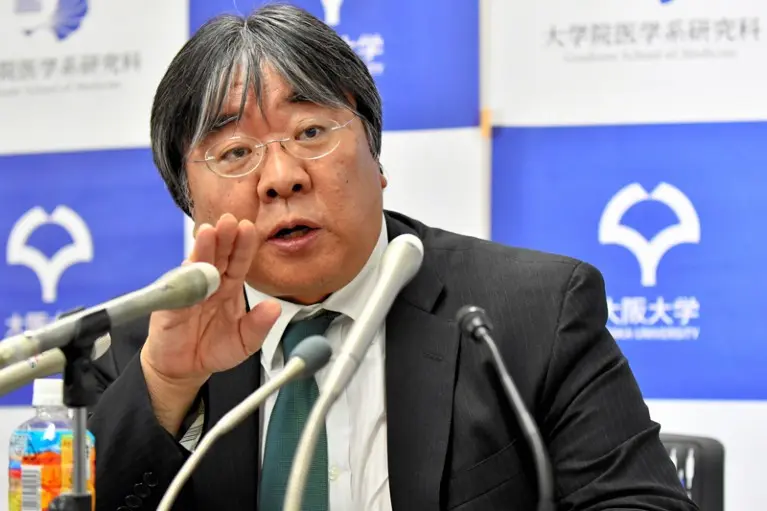
“Our hope is that this will improve the patient’s quality of life,” surgeon Yoshiki Sawa told reporters.
Sawa is the head of Osaka Keisatsu Hospital and helped develop the treatment. The therapy is designed for patients with serious heart damage who have few other treatment options. The treatment uses sheets of heart muscle cells made from iPS cells.
Scientists create these cells by returning mature cells to an earlier, flexible state. They can then develop into different cell types in the body. Researchers place the sheets on the damaged heart to help improve its function.
Doctors previously tested the treatment on eight patients with ischemic heart disease. The condition occurs when narrowed heart arteries reduce blood flow to the heart. All eight patients reportedly experienced improved symptoms.
Heart function also improved in four of the patients, Japanese media reported. The new surgery is being used in real-world medical care. Sawa developed the technology with Japanese scientist Shinya Yamanaka. Yamanaka won the 2012 Nobel Prize for research into iPS cells.
Read More : Russian Strikes Damage Kyiv Power Grid
Furthermore, the treatment is expected to improve heart muscle function, heart failure symptoms and exercise tolerance. Sawa’s team plans to carry out similar procedures on 75 patients by 2033. The team will also study the treatment’s safety and effectiveness during the next seven years.
The treatment could then receive full approval if it proves safe and effective, the Asahi Shimbun reported. Japan has also conditionally approved an iPS cell treatment for Parkinson’s disease. That treatment involves transplanting iPS cells into a patient’s brain after successful clinical trials.
Japan has positioned iPS cell research as a major part of its regenerative medicine programme.