Trending
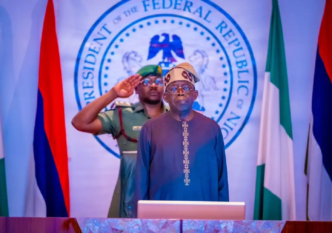
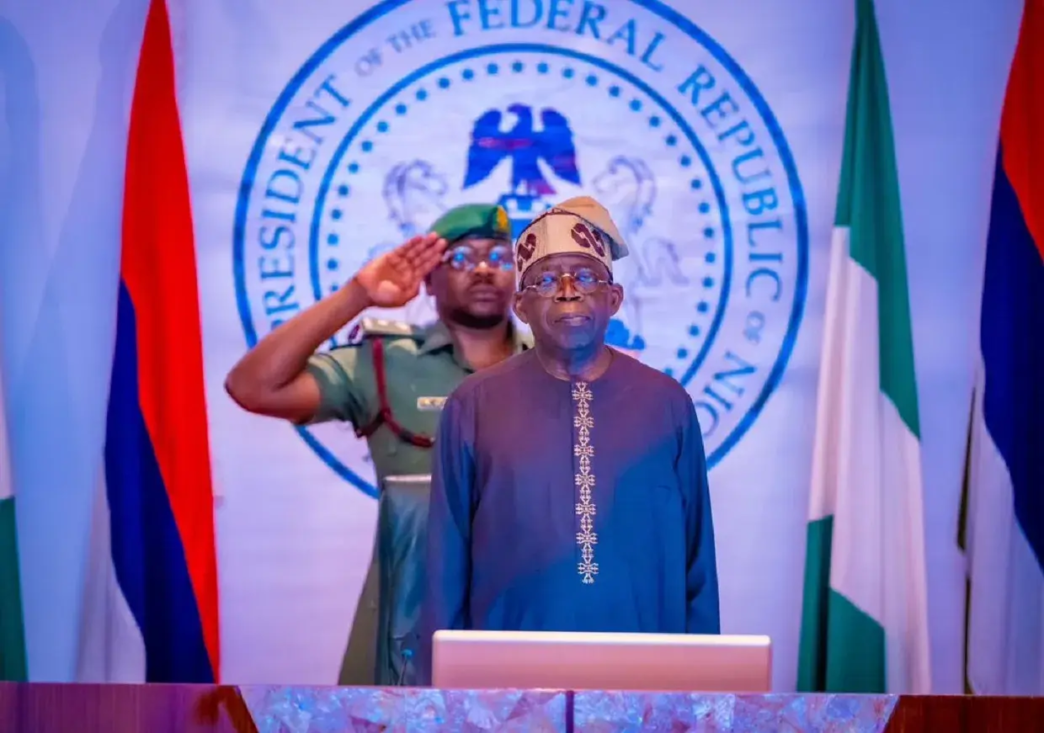
President Bola Ahmed Tinubu has declared that Nigeria has moved beyond the difficult period of economic reforms and entered what he described as an “age of prosperity.”
In his Independence Day speech on Thursday, marking the country’s 66th anniversary, the President urged Nigerians to look ahead rather than return to policies he said had contributed to the country’s economic challenges.
Tinubu acknowledged that millions of Nigerians are still grappling with economic hardship but said his administration’s focus is now shifting towards growth, job creation, lower living costs and broader prosperity.
Here are seven key takeaways from the President’s address:
1. Tinubu says economic indicators are improving
Tinubu said Nigeria’s economy grew by more than four percent in 2026, with both the oil and non-oil sectors contributing to what he described as a period of stable growth.
He said the country had also recorded a decline in oil theft, a substantial fall in inflation from its peak, stronger foreign reserves and greater stability in the foreign exchange market.
According to the President, Nigeria generated more than $6 billion in non-oil export revenue in 2025, which he described as the highest figure ever recorded.
2. President defends difficult economic reforms
Tinubu defended the economic reforms introduced by his administration, comparing Nigeria’s situation before the changes to that of a cancer patient who must undergo difficult treatment in order to recover.
He argued that successive governments had delayed difficult decisions and maintained inefficient systems, leaving his administration to address what he described as underlying weaknesses in the economy.
“Our reforms did not create the weaknesses in our economy. They confronted them,” he said.
The President also rejected calls for a return to what he called “addictive subsidies”, insisting that Nigerians should remember why the reforms were introduced in the first place.
3. Government shifts focus from reforms to prosperity
According to Tinubu, the next phase of his administration will focus on achieving “shared and widespread prosperity” rather than simply stabilising the economy.
He said economic success should not be judged solely by statistics but by the realities Nigerians experience in their daily lives.
That, he said, includes farmers being able to work safely, factories having reliable electricity, businesses gaining access to credit and young Nigerians finding productive employment.
“The emergency treatment is over. The foundation has been repaired,” he said.
4. Lower production costs to ease pressure on Nigerians
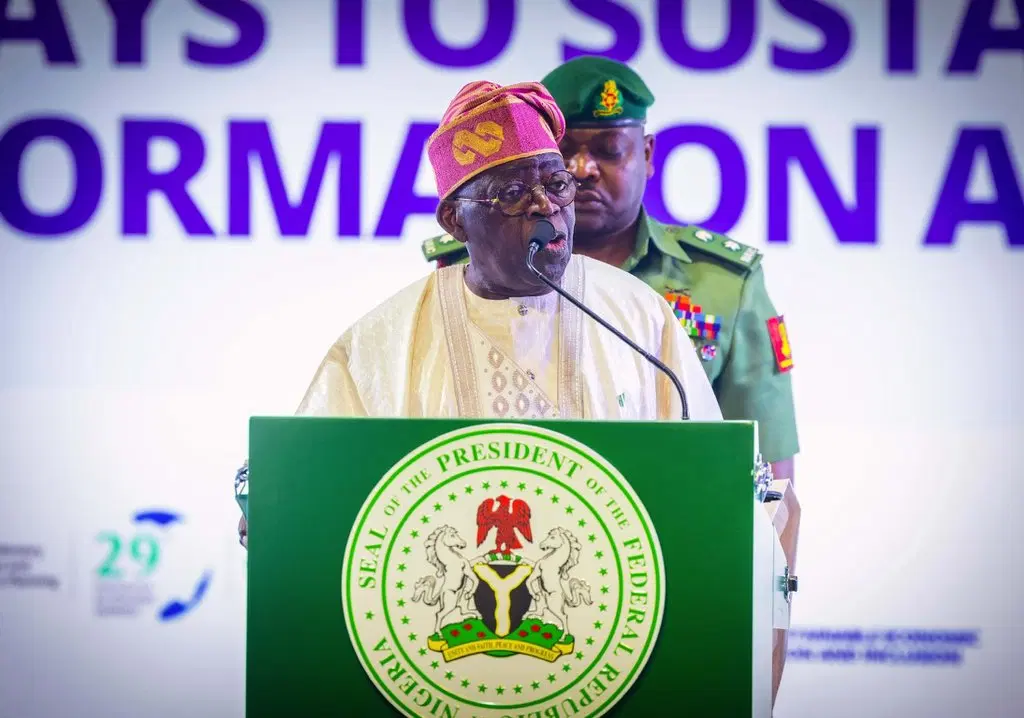
Tinubu said reducing the cost of producing and transporting goods would be central to efforts to lower the cost of living.
He listed mechanised irrigation, dry-season farming, improved access to seeds and fertiliser, mechanisation, storage and transportation among the measures being pursued by his administration.
He also pointed to investments in roads, railways and ports, which he said would help connect farms and factories to markets.
5. Jobs and industrial growth remain key priorities
The President said Nigeria’s young population should become an engine of production rather than a source of despair.
He said job creation, enterprise and industrial expansion would remain central to government policy.
Tinubu said the administration would use gas to power industries, support businesses seeking to revive factories, expand digital connectivity, invest in skills and provide Nigerian businesses with infrastructure and financing.
He also said he wanted to see more Nigerian businesses producing goods for domestic consumption and export.
6. Tinubu acknowledges continued hardship
While highlighting improvements in the economy, Tinubu acknowledged that many Nigerians are still struggling to pay for food, school fees, medical bills and transportation.
He said these difficulties predated his administration and were linked to decades of low productivity, inadequate infrastructure, limited opportunities and weak institutions.
“We cannot erase in four years what accumulated over generations. But we can change its course,” he said.
The President said the government was strengthening support for poor households, improving the National Social Register and expanding access to education through the Nigerian Education Loan Fund.
He also cited CREDICORP, primary healthcare, basic education and public services as part of efforts to support vulnerable Nigerians.
7. President says government will work to defeat poverty
Tinubu said government programmes supporting vulnerable Nigerians should not be viewed as an alternative to prosperity but as a bridge towards it.
Read More : Flood Damages East-West Road in Delta
“Our objective is not to manage poverty more efficiently. We will defeat it,” Tinubu said.
He acknowledged that achieving this goal would require time, discipline, sustained economic growth and the creation of millions of productive opportunities.
The President ended his address by declaring that “the age of reform has done its work” and that “now begins the age of prosperity,” while urging Nigerians to look ahead with faith in the country’s future.