Trending
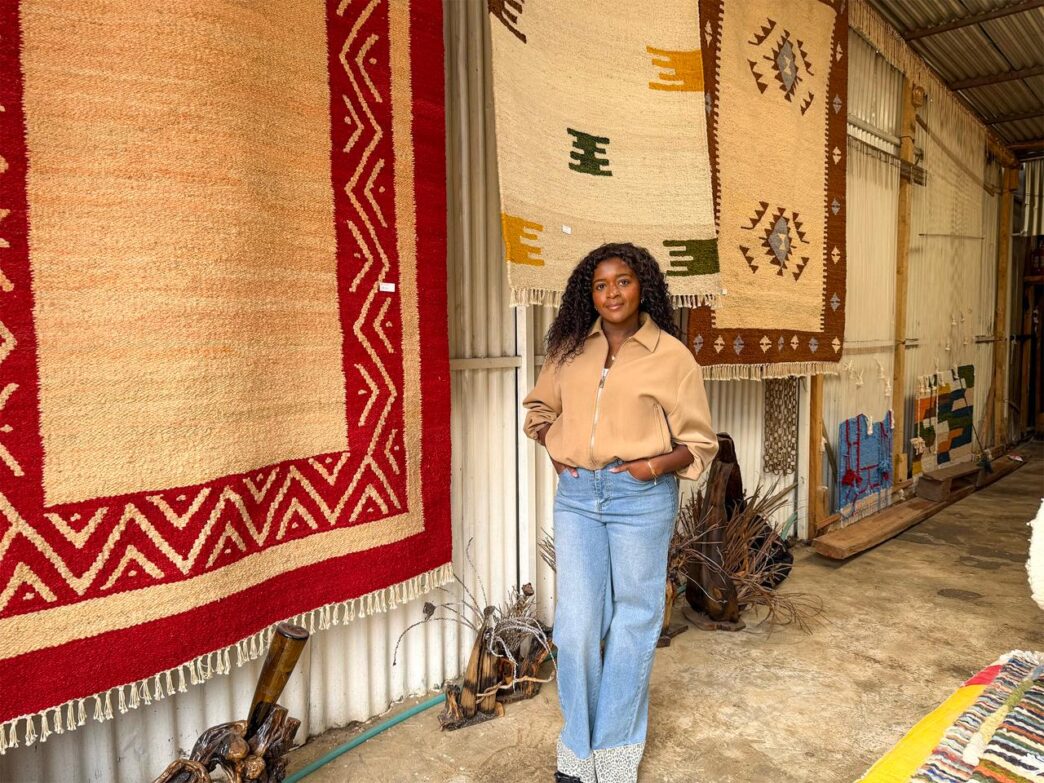
Kenyan entrepreneur Cherie Kihato actively redefines what African luxury looks like as global and local interest in African-made designs surges.
Operating from her busy Nairobi workshop, the forward-thinking business owner constantly scrolls through design templates, fields international client requests, and tracks emerging economic opportunities across the continent.
Kihato firmly believes that the global market has entered an era of African renaissance, shifting the international spotlight onto Africa’s positive, creative potential.
Read More : Kenya Road Crash Kills 17 Heading to Shrine
Though Kihato initially planned a career in international development after graduating from a UK university in 2017, a personal journaling moment redirected her path.
She felt a profound calling to establish a home decor brand that would directly employ local Kenyan talent.
Her early networking pop-up events brought her into direct contact with master artisans whose intricate, highly skilled work rarely reached upscale consumer markets.
Kihato subsequently founded Savannah Space, a high-end interior design and furniture company that blends traditional African heritage with contemporary luxury.
She reimagines indigenous crafts as premium, intentional luxury items through working with veteran weavers like Miriam Wachira.
The business also champions environmental sustainability by utilising a regenerative process that transforms shorn, eco-friendly sheep’s wool into complex, hand-woven geometric rugs.
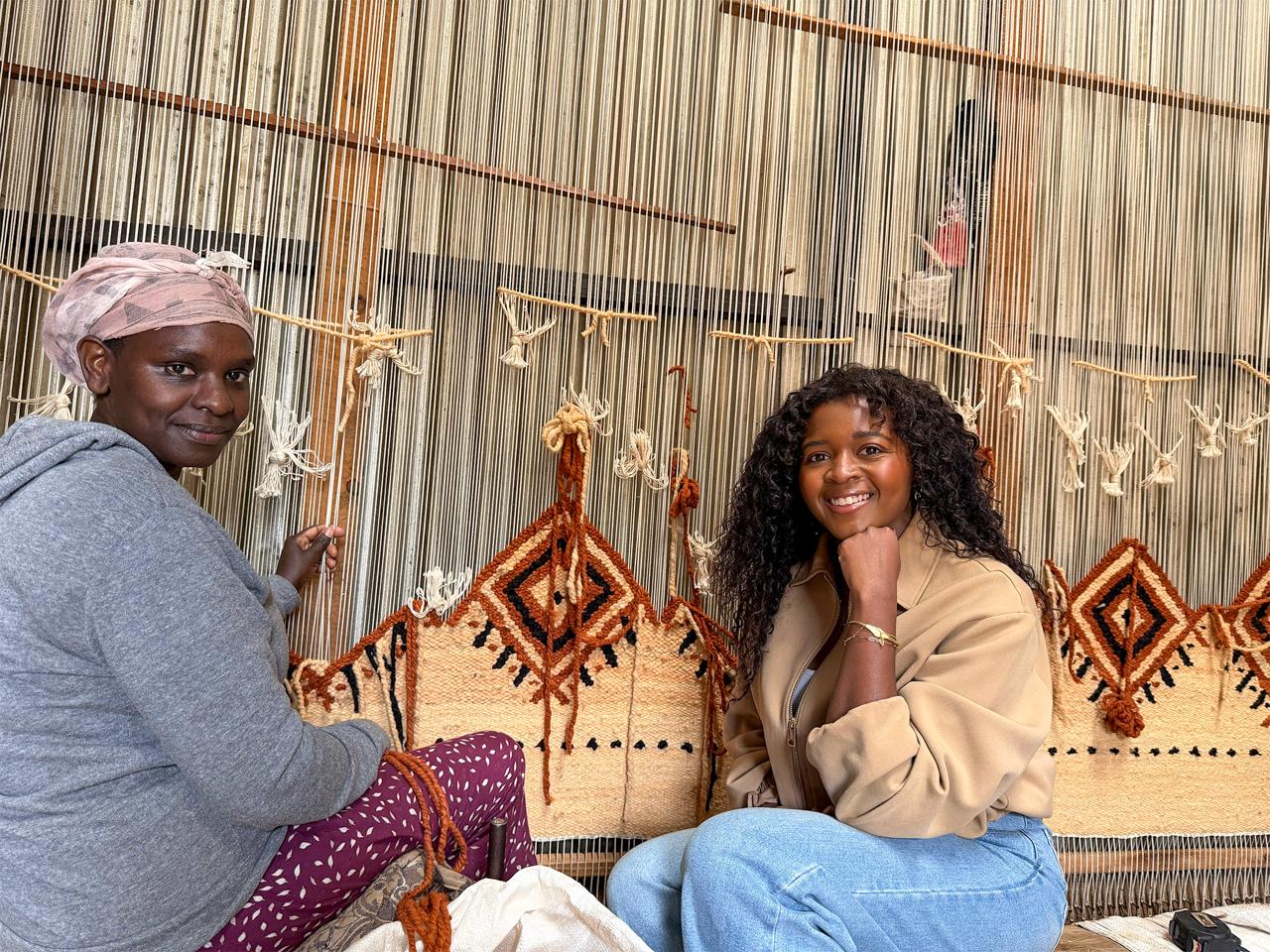
Kihoto Fights Back Against Mass-Produced Imports
This focus on high-end design yields immense economic benefits for local female artisans, who have historically anchored these creative trades.
Master weavers like Ruth Nyakio secure a stable, reliable income that finances their children’s education and keeps their families financially secure.
Kihoto fights back against mass-produced imports and keeps endangered traditional art forms alive by keeping financial value in African communities.
Architects and interior designers now notice this cultural shift, noting that affluent clients routinely request authentic, locally woven statement pieces over generic decor.
This commercial growth fuels the broader national economy; creative enterprises already generate over 5 per cent of Kenya’s total GDP.
Data from the Invest Kenya Creative Economy Sector Pack shows that handicraft exports will skyrocket from 132 million US dollars to 220 million US dollars by 2030, cementing the economic power of African luxury on the global stage.
(Bird Story Agency)