Trending
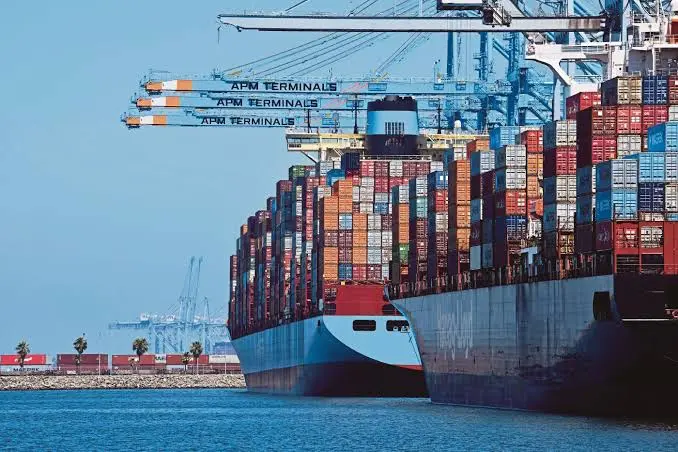
The World Trade Organisation (WTO) has warned that deeper trade fragmentation could cut global Gross Domestic Product (GDP) by about five percent by 2050.
The warning came in the WTO’s annual report released Tuesday. The report said the global trading system is facing its most serious disruption in 80 years.
It warned that a return to unilateral trade policies could also reduce global exports by 18.6 percent by 2050.
“Global trade policy and the WTO are experiencing the most serious and sustained disruptions since the multilateral trading system was created 80 years ago,” the report said.
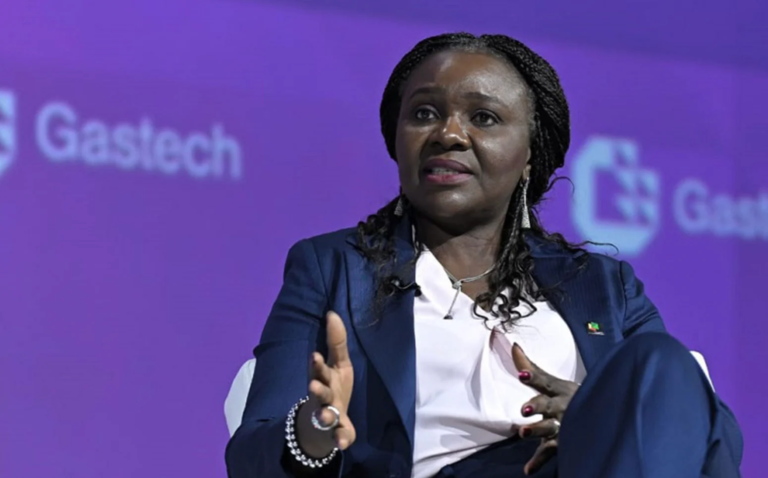
WTO Director-General Ngozi Okonjo-Iweala said trade rules are facing unprecedented pressure.
“We have seen trade rules challenged on a scale unseen since multilateral institutions were created to underpin open, stable and predictable global trade in the wake of the Great Depression and the Second World War,” Okonjo-Iweala wrote in the report’s preface.
She said global trade cooperation had “helped narrow income gaps between developing and advanced economies, and contributed to peace among members.”
She added that it had also contributed to peace among WTO members.
However, Okonjo-Iweala said the global trading landscape has changed significantly.
WTO Director-General said, “The global trading landscape has changed significantly… the founding logic of the system, that all economies are better off cooperating rather than acting unilaterally, remains as relevant today as ever”.
Still, she said the basic idea behind the system remains relevant: countries benefit more from cooperation than unilateral action.
The WTO linked the growing pressure on trade to several factors.
These include shifts in economic power, increased government intervention and rising geopolitical tensions.
The agency also pointed to US President Donald Trump’s tariff policies since his return to the White House in January 2025.
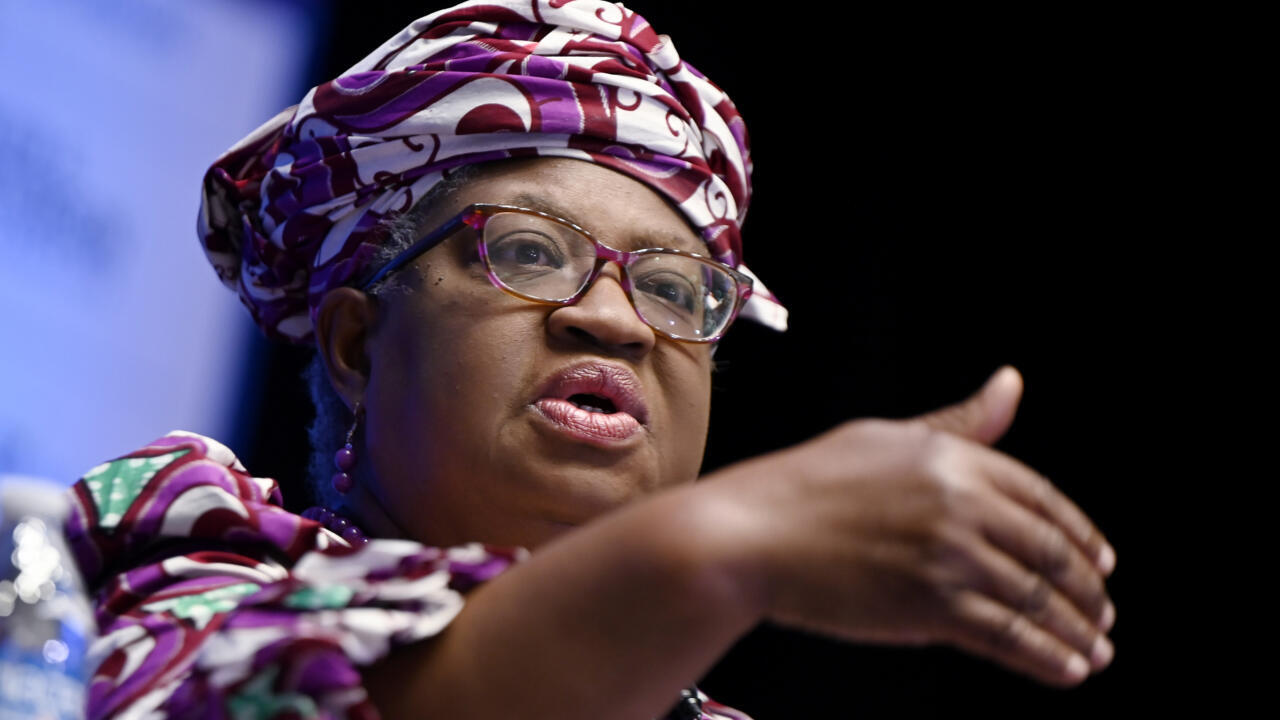
Okonjo-Iweala told diplomats on Tuesday that geopolitical fragmentation could reduce global GDP by about five percent.
She warned that the losses could rise to nearly seven percent if the WTO disappears and is replaced by a network of free trade agreements.
The impact would also not be shared equally.
The WTO said the world’s poorest and smallest economies would be particularly vulnerable to a decline in multilateral trade.
However, stronger cooperation could produce the opposite result.
“If members act purposefully to reinforce multilateral trade cooperation, safeguard what works, reform what doesn’t, it could boost global GDP by roughly three percent,” Okonjo-Iweala said.
The WTO remains a key part of the rules-based global trading system.
About 72 percent of global trade still operates under WTO rules.
However, that figure stood at 80 percent two years ago, according to WTO chief economist Robert Staiger.
“The trend is disturbing,” Staiger told AFP.
He also said new tariffs and trade restrictions now cover 11 percent of global imports.
That is the highest level recorded in more than 15 years.
“Another sign that global trade is coming under pressure is that new tariffs and trade restrictions now cover 11 percent of global imports, and that represents the highest coverage in over 15 years,” he added.
Despite the growing restrictions, global trade remains relatively strong.
Staiger said artificial intelligence may be helping to support trade growth.
He explained that AI-related goods, including servers, computers and data centres, require large volumes of international trade.
The current investment boom in AI-related products may therefore be masking some weakness in wider global trade.
However, Staiger warned that AI-driven trade benefits only a limited number of countries.
He cautioned against assuming that continued global trade growth means the wider system is healthy.
“Putting one’s eggs in the basket, [thinking] that everything is fine because world trade continues to grow at a nice clip, is a bit of a risky endeavour,” he said.
The WTO is expected to release an update to its global trade forecasts on October 8.