



 Trending


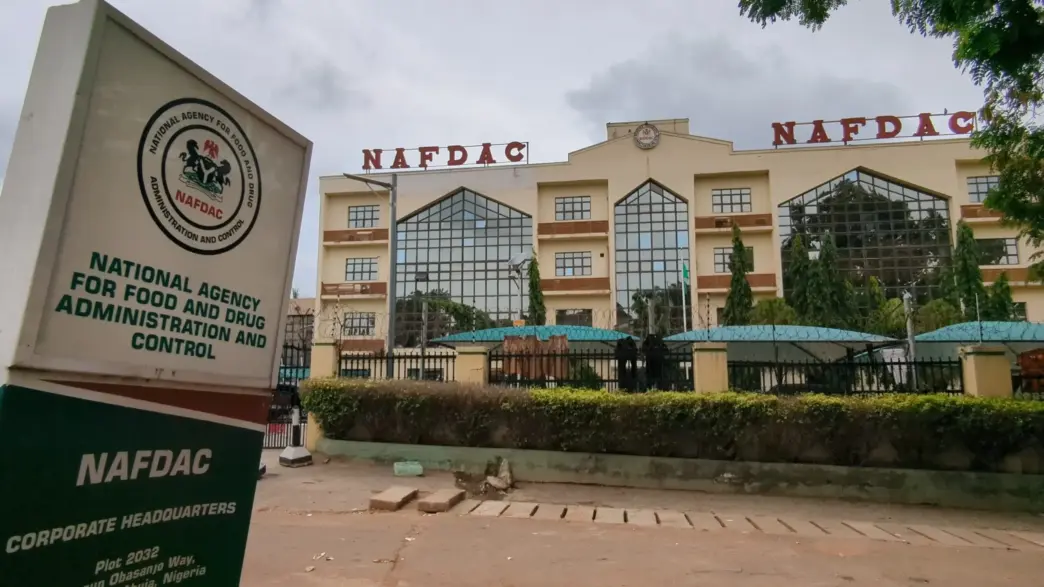
The National Agency for Food and Drug Administration and Control (NAFDAC) dismissed social media claims on Saturday that authorities had banned the antimalarial drug Camosunate in Nigeria.
Director-General Prof. Mojisola Adeyeye signed the press release rejecting the rumours and telling Nigerians to ignore false reports about Camosunate or artesunate-amodiaquine medicines.
NAFDAC is refuting claims circulating on social media that Camosunate, an antimalarial medicine containing artesunate and amodiaquine, has been banned in Nigeria. The Agency clarifies that it has never banned Camosunate or medicines containing this combination.
The public is urged to disregard the false claim and report suspected adverse drug reactions through the Med Safety App or at the nearest NAFDAC office.
Read the full press release for details ⬇️
— NAFDAC NIGERIA (@NafdacAgency) November 21, 2026
“The Agency clarifies that it has never banned Camosunate or medicines containing the artesunate-amodiaquine combination,” the statement read.
NAFDAC noted that symptoms cited in viral posts may match known side effects of the medication rather than signal a ban.
“Some of the symptoms reported in the viral claim may be associated with known side effects of Camosunate, including nausea, vomiting, diarrhoea, abdominal pain, headache, dizziness, drowsiness and loss of appetite,” the release stated.
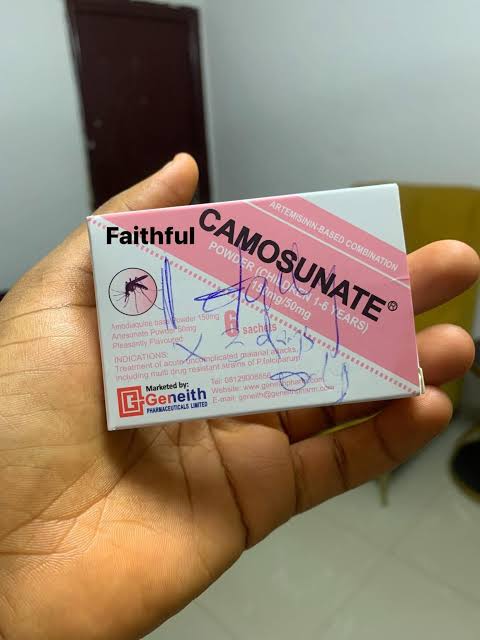
Instead of spreading unverified claims online, the agency urged citizens and health workers to report suspected side effects for formal review.
“However, suspected adverse drug reactions should be reported to NAFDAC for proper assessment,” the statement added. People can submit reports via the Med Safety App on Android or iOS devices or visit the nearest NAFDAC office.
The regulator also called on Nigerians to halt the spread of misinformation across social platforms.
“NAFDAC urges the public to stop circulating the false claim. Those who have already shared it are encouraged to disseminate this clarification through the same channels to help counter misinformation and prevent unnecessary public concern,” the agency stated.