Trending
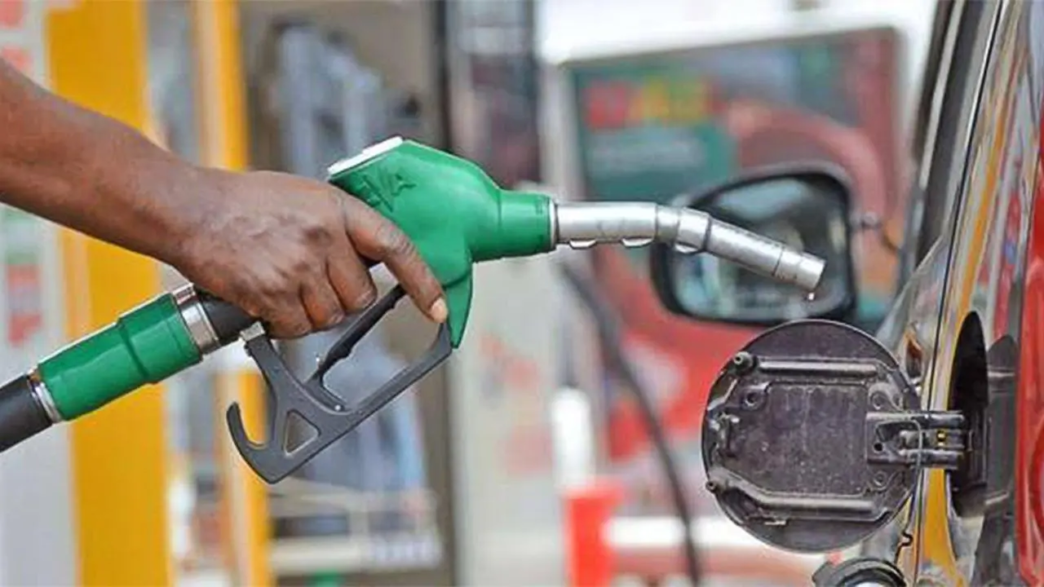
Nigeria’s reliance on foreign fuel rebounded in July 2026 as local refinery output plummeted, forcing higher import volumes despite recent expansions in domestic refining capacity.
Official statistics released on Monday revealed that the domestic petrol supply fell by 21 per cent in one month, dropping from 32.5 million litres daily in June to 25.8 million litres in July.
Consequently, petrol imports climbed nine per cent from 18.1 million to 19.7 million litres daily to bridge the deficit.
Read More : US Judge Orders Return of Deported Egyptian Man
“Total PMS daily receipts fell by 10 per cent from 50.6 million litres per day in June to 45.5 million litres per day in July,” the official report stated.
“The decline was driven by a 21 per cent drop in domestic supplies… even as petrol imports rose by nine per cent.”

The drop in local supply coincided with an eight per cent reduction in crude oil delivered to domestic refineries, which fell from 632,000 barrels per day in June to 585,000 in July.
Meanwhile, the Dangote Petroleum Refinery operated at over 71 per cent capacity utilisation, producing roughly 25.9 million litres of petrol per day—matching nearly the entire volume of domestic receipts.
Foreign diesel also returned to the market after a month-long absence, accounting for 7.9 million litres per day as local diesel production dipped slightly.
Despite the supply shifts, national fuel consumption decreased significantly across key sectors.
Daily petrol consumption dropped 25 per cent from 47.4 million litres to 35.7 million litres, while stock sufficiency improved from 19.7 days to 22.4 days.
Conversely, the cooking gas market bucked the import trend; domestic liquefied petroleum gas (LPG) supply rose 22 per cent, driving a 40 per cent drop in LPG imports and allowing local producers to capture a larger market share.