Trending
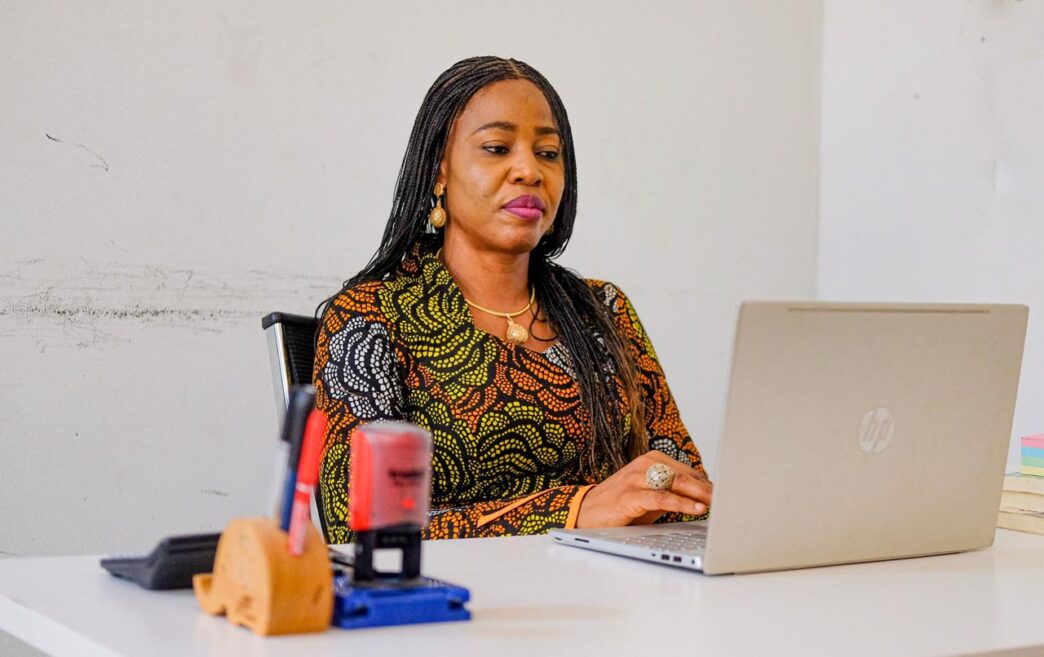
Nigerian engineers are actively changing who gets to work in the energy sector by bringing clean power solutions to underserved communities while building clear pathways for women to enter the industry.
Cultural entrepreneur and engineer Nkechi Okenwa spearheads this movement, leveraging her technical expertise over the past decade to challenge deep-rooted institutional bias and bridge the vast gender gap in engineering.
Her ventures provide critical utility in a nation that increasingly relies on renewable energy as a necessity rather than an alternative.
Read More : Obi Queries Tinubu’s UNGA Absence, Hails Mahama
Okenwa’s professional journey began with a teenage fascination with how a single switch could transform a home’s atmosphere.
She chose to study electrical engineering despite knowing it was a male-dominated field, a reality hammered home when she discovered that women made up less than five per cent of her university class.
This stark imbalance inspired her to design ways to make the industry inclusive for women who aspired to make a difference in their world.
After graduating, Okenwa worked as a technical staff member at an IT firm handling power systems before launching her own company in 2013, Energy Excell Systems and Solutions Limited.
This indigenous Nigerian social enterprise focuses on “productive use” energy, supplying farming communities, homes, and small businesses with energy-efficient appliances like solar-powered rice mills, grinders, and cassava graters to directly improve local economies.
As her business grew, Okenwa noticed that women remained largely absent from energy conversations despite suffering the most from regional energy poverty.
To solve this, she founded the Women in Energy and Economic Sustainability Initiative (WEESI) in 2020.
The organisation targets different age groups to integrate women into every level of the sector, offering STEM essay competitions, mentorship, and scholarships to young girls, while training rural women and internally displaced persons to install solar photovoltaics and manufacture profitable charcoal briquettes from agricultural waste.
The initiative has transformed lives, including that of entrepreneur Anita Manuel, who learned solar installation, technical troubleshooting, and energy auditing through WEESI.
Manuel realised her project management background could seamlessly fit into the renewable energy sector after she participated in a successful solar installation that powered an entire building.
Okenwa’s success required overcoming deep self-doubt and pervasive professional bias.
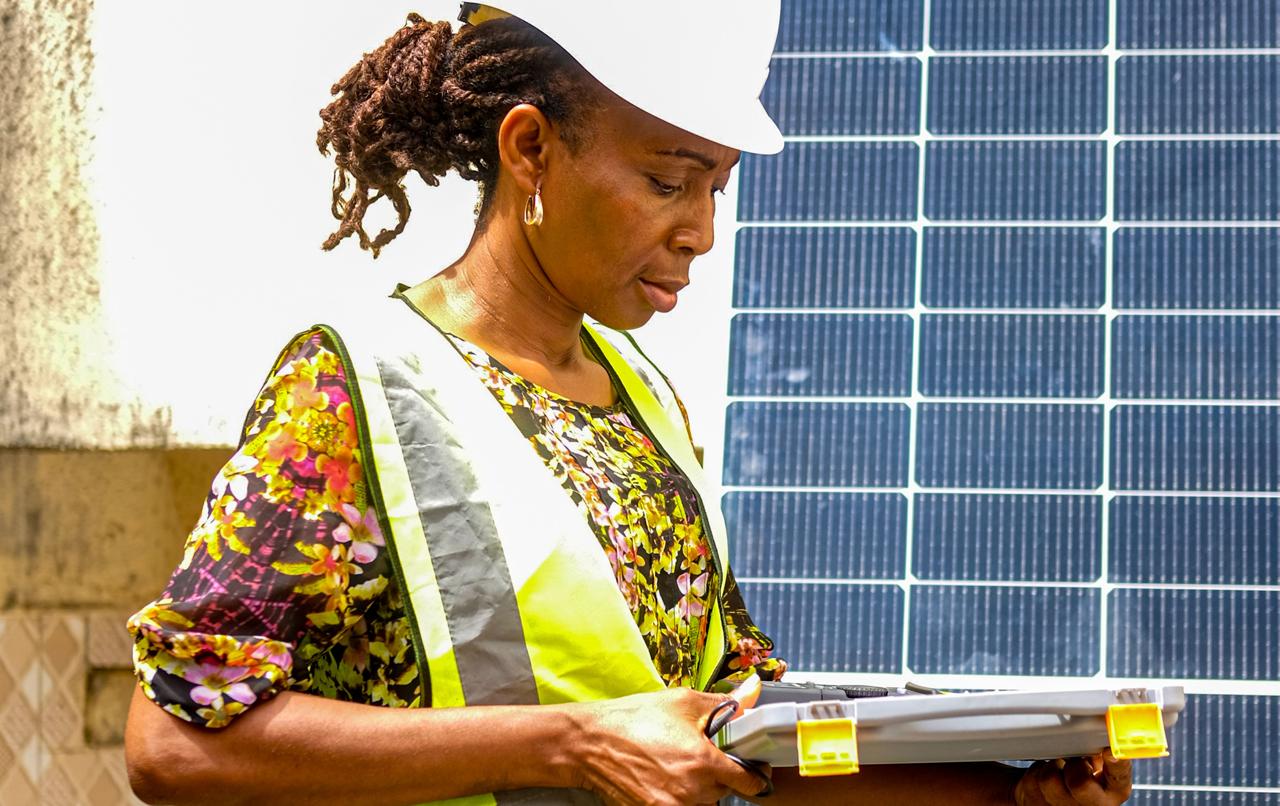
Early on, she worried that people would reject her expertise because of her gender—fears that were reinforced when clients frequently walked into her office asking for the male technician, showing visible discomfort when she identified herself as the engineer.
Instead of retreating, she confronted these biases by delivering technical excellence.
While leaders like Okenwa drive local progress, Nigeria’s renewable energy sector still faces structural hurdles like high installation costs, policy inconsistencies, and poor-quality work by untrained technicians.
Data from the International Energy Agency (IEA) shows that nearly 600 million people across Africa lack electricity access, requiring rapid investment in decentralised renewable energy systems and mini-grids.
Electrical engineer Ale Oluwafeyisayo Joy notes that Nigeria lags behind countries like Kenya and South Africa in renewable energy adoption due to weak policy frameworks and a lack of clear financing pathways.
Read More : Shettima Reiterates Calls For UN Reform
However, Joy believes that market expansion is inevitable because solar has become a necessity.
For Okenwa, that inevitable future is not just about technology but about changing who builds it so that the next generation of female engineers never feels out of place.
Bird Story Agency