Trending
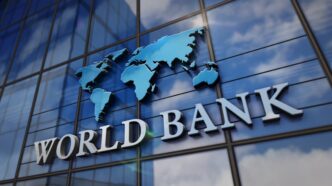
The Nigerian government is currently in advanced discussions with the World Bank to secure a new $1.25 billion loan aimed at accelerating economic reforms, boosting competitiveness, and creating jobs.
According to a World Bank document, the proposal—titled “Nigeria Actions for Investment and Jobs Acceleration”—has progressed to the critical decision-meeting stage.
If approved on the scheduled date of June 26, 2026, this would represent the second-largest facility secured under the current administration, further increasing the nation’s reliance on multilateral financing.
This proposed influx of capital, estimated at approximately ₦1.70 trillion, is intended to expand access to digital and electricity services while strengthening the agricultural and trade sectors.
However, the move comes amid warnings from the Accountant-General of the Federation, Dr Shamseldeen Ogunjimi, who stated that the Nigerian government may no longer honour loan arrangements if approval and disbursement processes exceed six months.
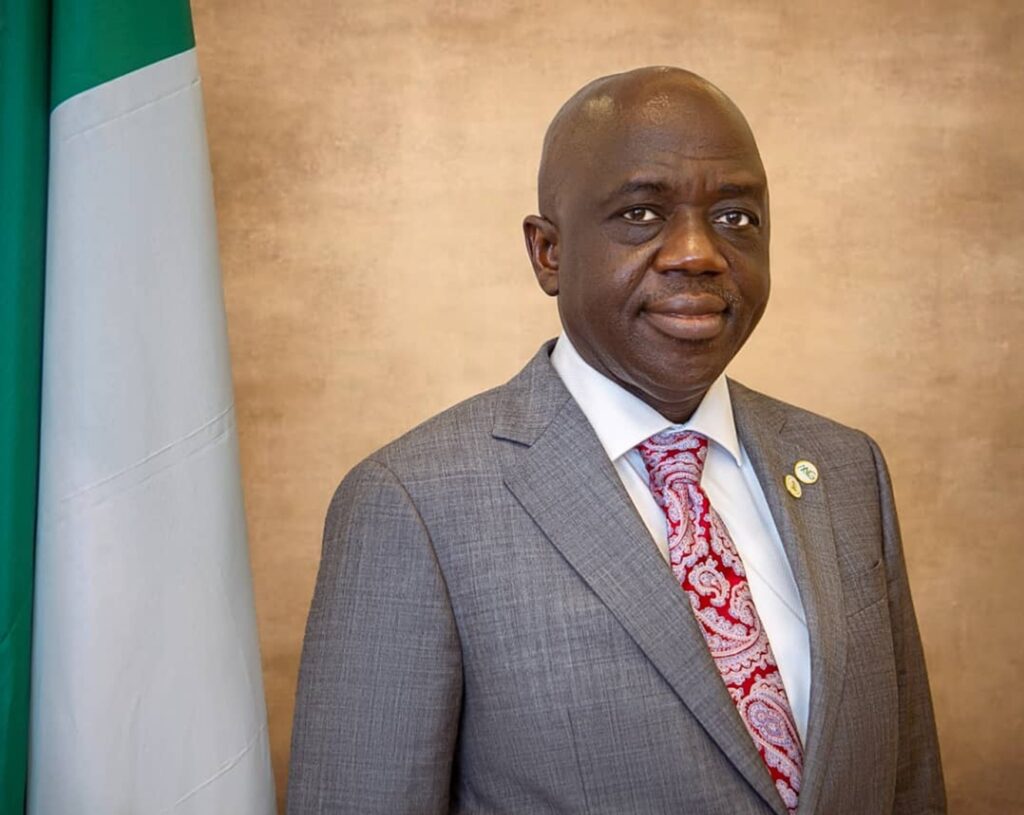
This stance highlights domestic frustration over bureaucratic delays that can stall urgent development projects.
The potential loan would significantly impact Nigeria’s fiscal landscape, raising the total external debt to an estimated $53.11 billion.
While some economists argue that these concessionary loans are beneficial for long-term growth if utilised effectively, others express concern over the rising debt profile.
Specifically, experts noted the paradox of seeking heavy external funding while the government simultaneously reports increased revenue from the removal of fuel subsidies, warning that exchange rate risks and debt sustainability remain a “high-risk” concern.
Read More : NASS to Translate Laws Into Local Languages
The World Bank itself has classified the risks associated with this operation as high, citing potential political and governance pressures leading up to the 2027 presidential elections.
Additionally, the Nigerian Economic Summit Group cautioned that despite some surface-level stabilisation in debt indicators, the underlying fiscal environment remains fragile.
As the Nigerian government moves toward a final board review, the focus remains on whether these funds will be successfully channelled into projects capable of generating sustainable revenue for future repayment.