Trending
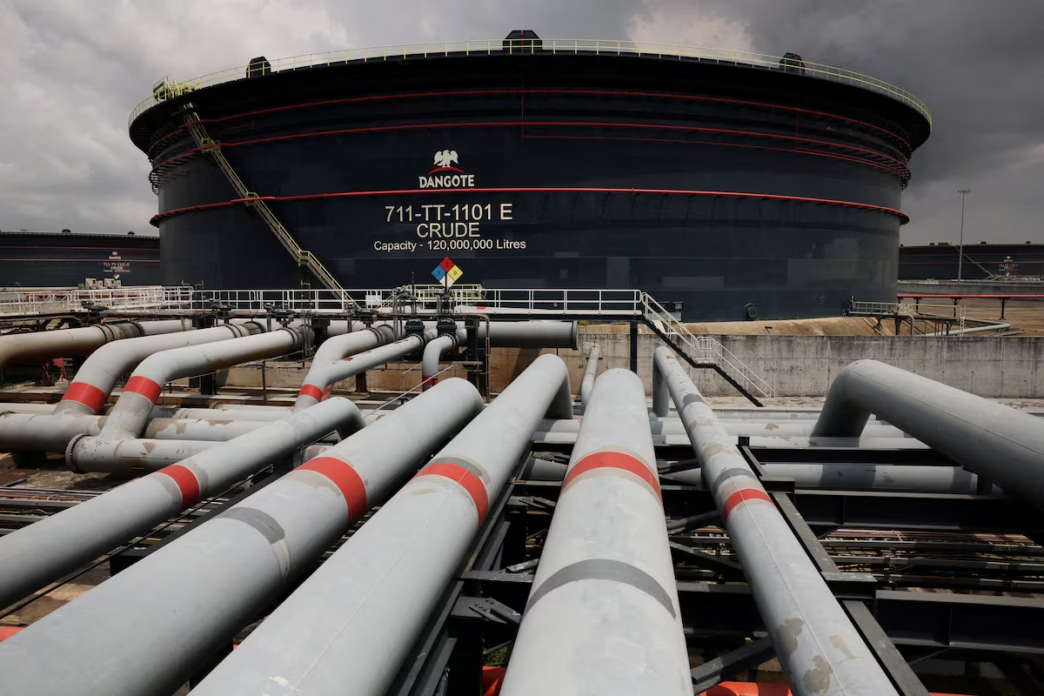
Nigerian oil producers delivered less than 50 per cent of the crude volumes allocated to domestic refineries during the first quarter of 2026.
Data from the Nigerian Upstream Petroleum Regulatory Commission reveals that while 61.9 million barrels were allocated under the Domestic Crude Supply Obligation, actual deliveries totalled only 28.5 million barrels.
This represents just 46 per cent of the planned allocation and 41 per cent of the total volumes offered by producers.
Read More : Army Chief Arrives in Borno After Rescue Order
The regulator identified persistent pricing disputes as the primary cause for the delivery gap, noting that trades still rely on a “willing buyer, willing seller” framework.
These disagreements have hampered the country’s efforts to boost local refining and decrease its dependence on foreign fuel imports.

Despite the reforms introduced by the Petroleum Industry Act, supply remains inconsistent.
Analysts noted that these shortfalls validate concerns from the Dangote refinery regarding unreliable local supply.
The lack of consistent crude feedstock has limited production at Africa’s largest refinery, hindering Nigeria’s ability to maximise the economic value of its natural resources.