Trending
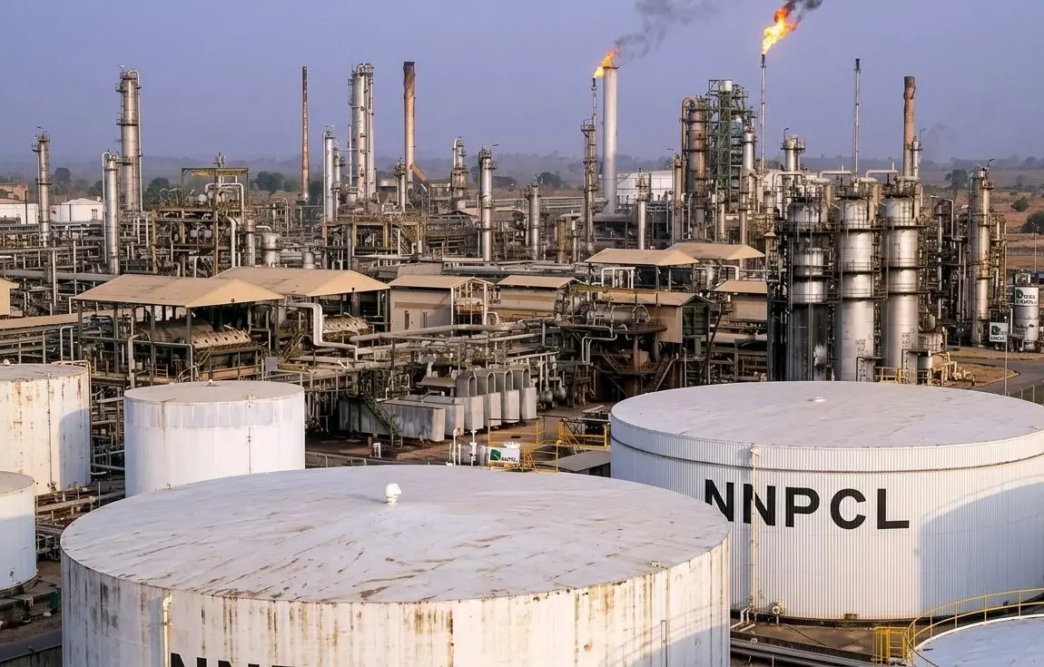
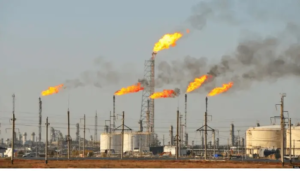
Nigeria’s crude oil production has reached 1.56 million barrels per day in June 2026, marking the country’s highest output level in six years and pushing production above its OPEC quota for the second consecutive month.
The recovery has coincided with renewed investor activity in Nigeria’s oil sector, with ExxonMobil announcing a final investment decision for a $1 billion deepwater infill campaign at the Usan field. The project represents the company’s first major drilling commitment in Nigerian waters since 2016.
The sector has also seen increased interest in new assets, with 143 companies submitting bids for 50 oil blocks in the latest licensing round. Winners are expected to be announced soon, with the exercise projected to attract billions of dollars in investment and support future production growth.
The investment outlook will be a key focus at the Invest in Nigeria session during African Energy Week (AEW) 2026, scheduled for October 12-16 in Cape Town, South Africa. The session will examine how Nigeria can sustain its production recovery, expand offshore exploration and maximise existing oil assets.
A major part of the discussion will centre on the impact of the Petroleum Industry Act (PIA), introduced in 2021 to reshape the country’s energy investment environment. Under the latest licensing round, signature bonuses have been reduced to between $3 million and $7 million, while the Nigerian Upstream Petroleum Regulatory Commission (NUPRC) has introduced a “drill or drop” policy requiring operators to develop idle assets or relinquish them.
Deepwater projects are expected to account for a significant share of future investments. ExxonMobil is advancing the $7 billion to $8 billion Owowo project, which could reach a final investment decision as early as 2027 and holds an estimated one billion barrels of recoverable resources. Shell is also progressing the Bonga North and Bonga South West developments, with a combined investment value of about $20 billion.
Renewed interest from international oil companies reflects a strategic shift, with major operators reducing onshore and shallow-water activities while indigenous companies take on more local assets. Nigeria’s local content participation has also increased significantly, rising from below five per cent before the 2010 Nigerian Oil and Gas Industry Content Development Act to more than 61 per cent today.
African Energy Chamber Executive Chairman NJ Ayuk says Nigeria must sustain the momentum by ensuring local operators benefit alongside international investors.
“Nigeria used to be a country where IOCs were packing up. Now you have ExxonMobil putting a billion dollars into deepwater, Shell lining up $20 billion in Bonga, and an impressive licensing round changing the conversation,” Ayuk says.
He adds that discussions at AEW must focus on maintaining growth and creating opportunities for indigenous operators to expand alongside major oil companies.