Trending
More than 600 million people in sub-Saharan Africa still lack access to electricity, highlighting a structural energy deficit that cannot be resolved by a single generation source.
Policymakers are therefore accelerating a diversified energy strategy that combines natural gas, renewables, hydropower, and existing thermal infrastructure to expand access, stabilise grids, and move toward ending energy poverty by 2030.
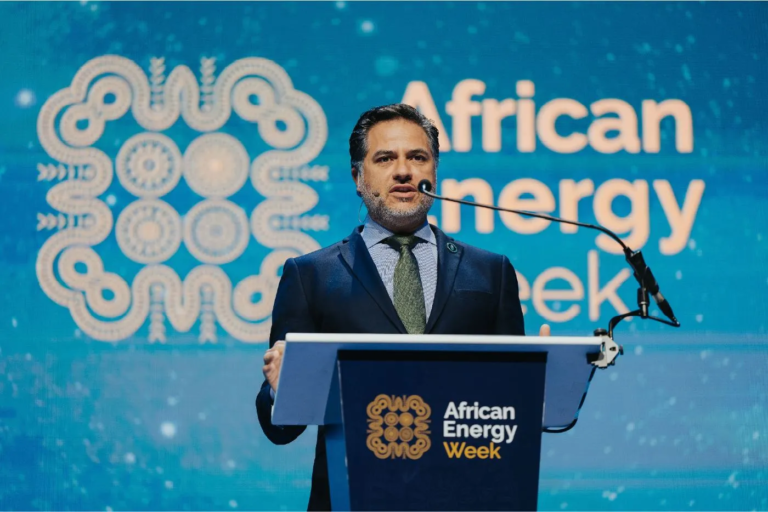
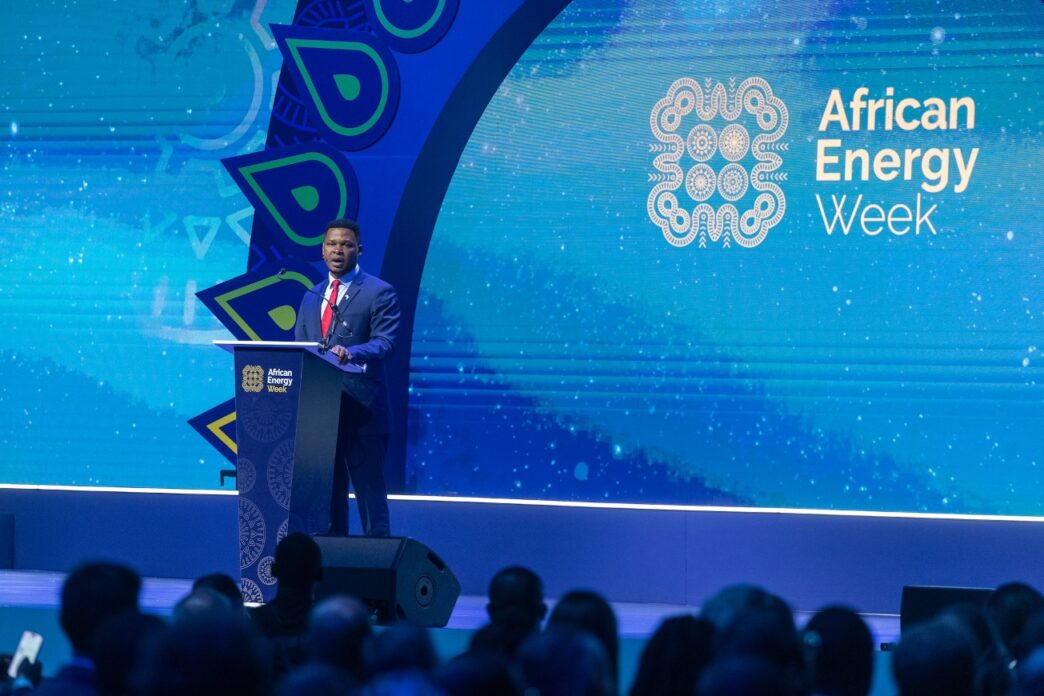
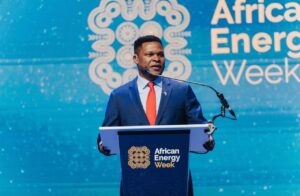
This integrated approach will be a central focus at African Energy Week 2026, particularly through the newly introduced Power Africa Today conference. The platform is expected to bring together utility executives, policymakers, investors, developers, and technology providers to assess how coordinated investment in generation, transmission, financing mechanisms, and regional integration can accelerate electrification and industrial growth across the continent.
Read More : UN Experts Condemn US Deportation Policy
The emphasis will be on converting fragmented initiatives into scalable, bankable energy systems that address structural supply gaps.
Natural gas remains a key pillar in this transition due to its flexibility and reliability, particularly in balancing intermittent renewable sources such as solar and wind. At the same time, governments are expanding utility-scale renewable deployment alongside decentralised mini-grids and off-grid systems to reach underserved and remote populations.
Emerging technologies, including green hydrogen, are also gaining early traction, supported by targeted funding mechanisms such as the African Development Bank’s $20 million de-risking facility for pilot projects.
Infrastructure reform is also advancing across multiple markets. In South Africa, electricity market liberalisation and transmission expansion are increasing private sector participation, while Uganda’s Amari Power Transmission Project marks a milestone as the continent’s first privately financed independent transmission project to reach financial close.
Regional power pools are further strengthening cross-border electricity trade through regulatory harmonisation, while large-scale initiatives such as the World Bank’s Mission 300 and the African Development Bank’s have already connected over 50 million people across Africa.
Read More : Volz Leads US Energy Push at AEW 2026
“Africa’s pathway to ending energy poverty will require every available resource working together,” said NJ Ayuk, Executive Chairman of the African Energy Chamber.
“Natural gas, renewables, hydropower and existing power assets, each have a role to play in delivering reliable electricity and supporting industrialisation.”
The Power Africa Today conference is expected to translate these converging reforms and investments into structured, financeable projects aimed at closing Africa’s persistent electricity gap.