Trending
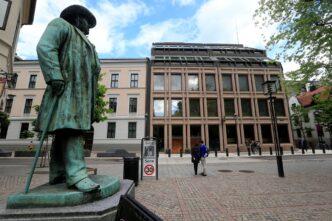
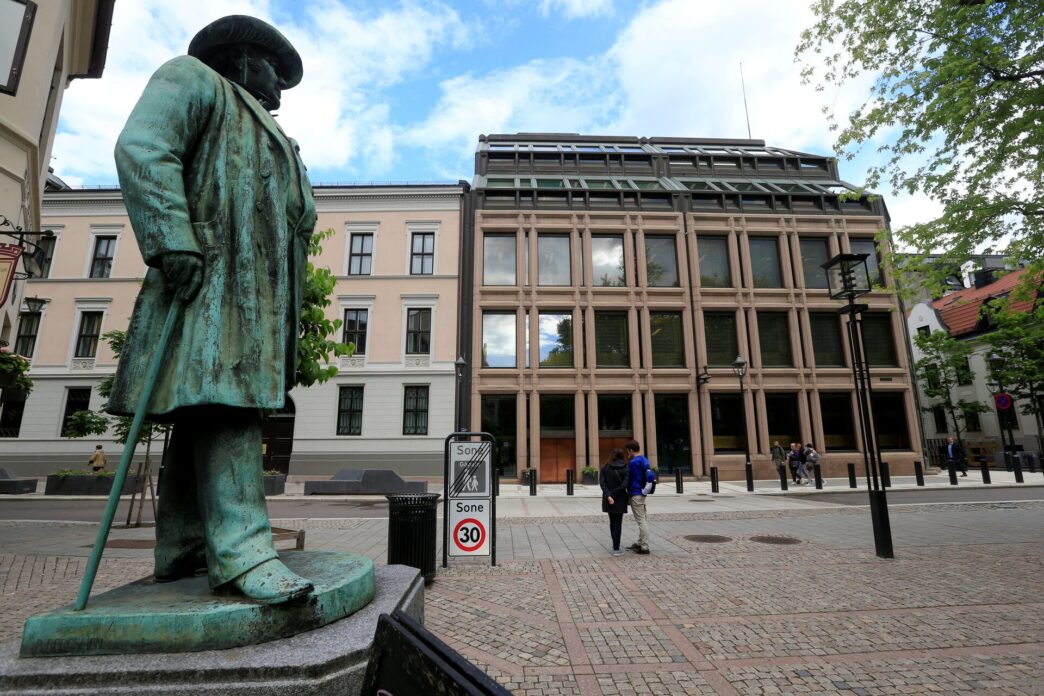
Norges Bank became the first European central bank to raise interest rates since the onset of the Middle East conflict, increasing its guiding rate by 0.25 percentage points to 4.25 per cent on Thursday.
Governor Ida Wolden Bache emphasised that inflation remains stubbornly high and has exceeded official targets for several years. With underlying inflation currently at 3.0 per cent, the bank is moving decisively to bring the figure closer to its 2.0 per cent monetary policy goal.
The central bank warned that substantial uncertainty still looms over the global economy. Specifically, officials expressed concern that the surge in oil and gas prices triggered by the war could lead to further inflationary pressure.
While global oil prices have recently dipped below $100 a barrel on hopes of a peace deal, the initial supply shocks caused by the regional blockade continue to influence policy decisions.
In contrast, neighbouring Sweden has chosen a more cautious path.
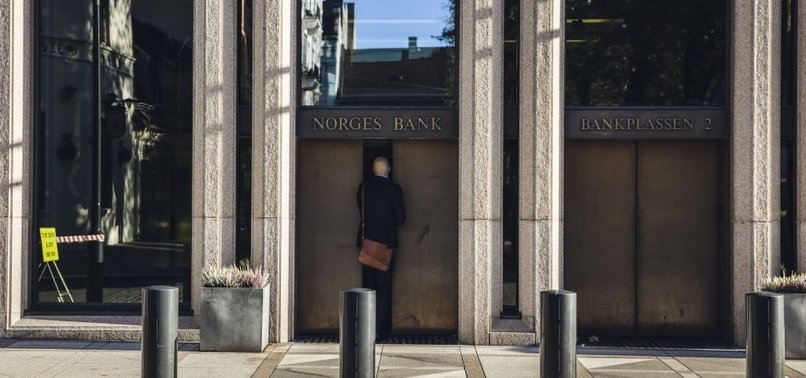
The Riksbank announced on Thursday that it would maintain its key interest rate at 1.75 per cent.
Swedish officials indicated they prefer to wait for a clearer understanding of how the war and subsequent supply chain disruptions will impact the economy before making further adjustments.