Trending


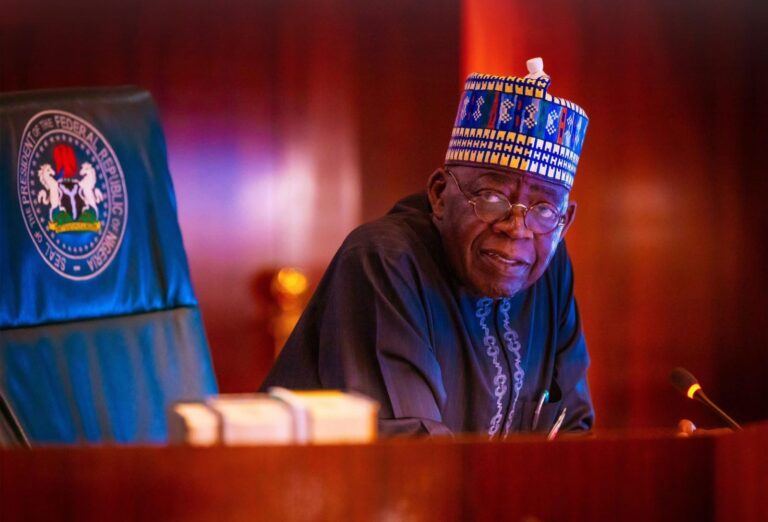
Former Anambra State Governor and Nigeria Democratic Congress (NDC) presidential candidate Peter Obi has criticised President Bola Tinubu over reported efforts to prevent the release of records concerning his past in the United States, arguing that public office demands transparency and a willingness to face legitimate scrutiny.
In a statement titled “A President and the Endless Question of His Past,” Obi said he was troubled that questions surrounding a sitting president’s history continued to attract legal disputes rather than clear explanations to Nigerians.
“It is profoundly embarrassing that we have reached a point where a sitting President is asking a foreign court to withhold records concerning his past, particularly records relating to matters of legitimate public interest,” Obi said.
His comments follow reports that Tinubu is seeking to prevent the disclosure of records held by United States agencies in response to Freedom of Information Act litigation. Obi argued that political leaders should be prepared to confront questions about their past openly, including acknowledging mistakes where necessary.
“Leadership, in my humble view, demands the courage and humility to confront one’s history,” he said, adding that authority is strengthened when leaders accept responsibility rather than attempt to shield uncomfortable aspects of their past from public scrutiny.

The former Anambra governor also returned to longstanding questions surrounding Tinubu’s educational history, saying matters involving primary and secondary schooling should not remain unresolved or be addressed mainly through court proceedings.
“Nigerians deserve clear, credible, and verifiable explanations,” Obi said.
He argued that the controversy goes beyond the president as an individual because of the example set by the country’s highest political office, particularly for young Nigerians. According to him, the presidency should represent “integrity, accountability, transparency, and ethical leadership,” warning that the standards set by those in office could influence generations.
Obi acknowledged that political leaders, like everyone else, could have imperfect histories, but said the greater test was how they responded when questions were asked.
“An imperfect past is part of the human condition,” he said. “What matters is the willingness to confront it with humility, honesty and deep apology, to make amends where necessary.”
He also questioned what he described as the political class’s tendency to place personal ambition above the country’s long-term interests. He concluded that the presidency is temporary, but the ethical standards set by its occupants can have lasting consequences.