Trending
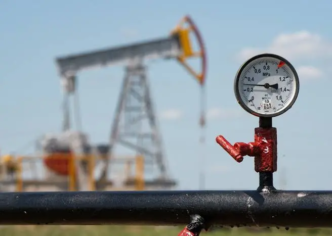
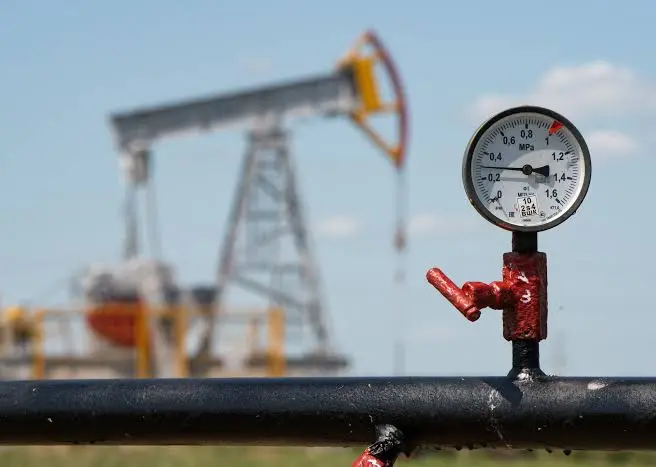
Oil prices have fallen as investors await details of a United States (US) plan to intensify economic pressure on Iran.
Both major crude benchmarks dropped 2.3 per cent, with Brent trading around $92 a barrel.
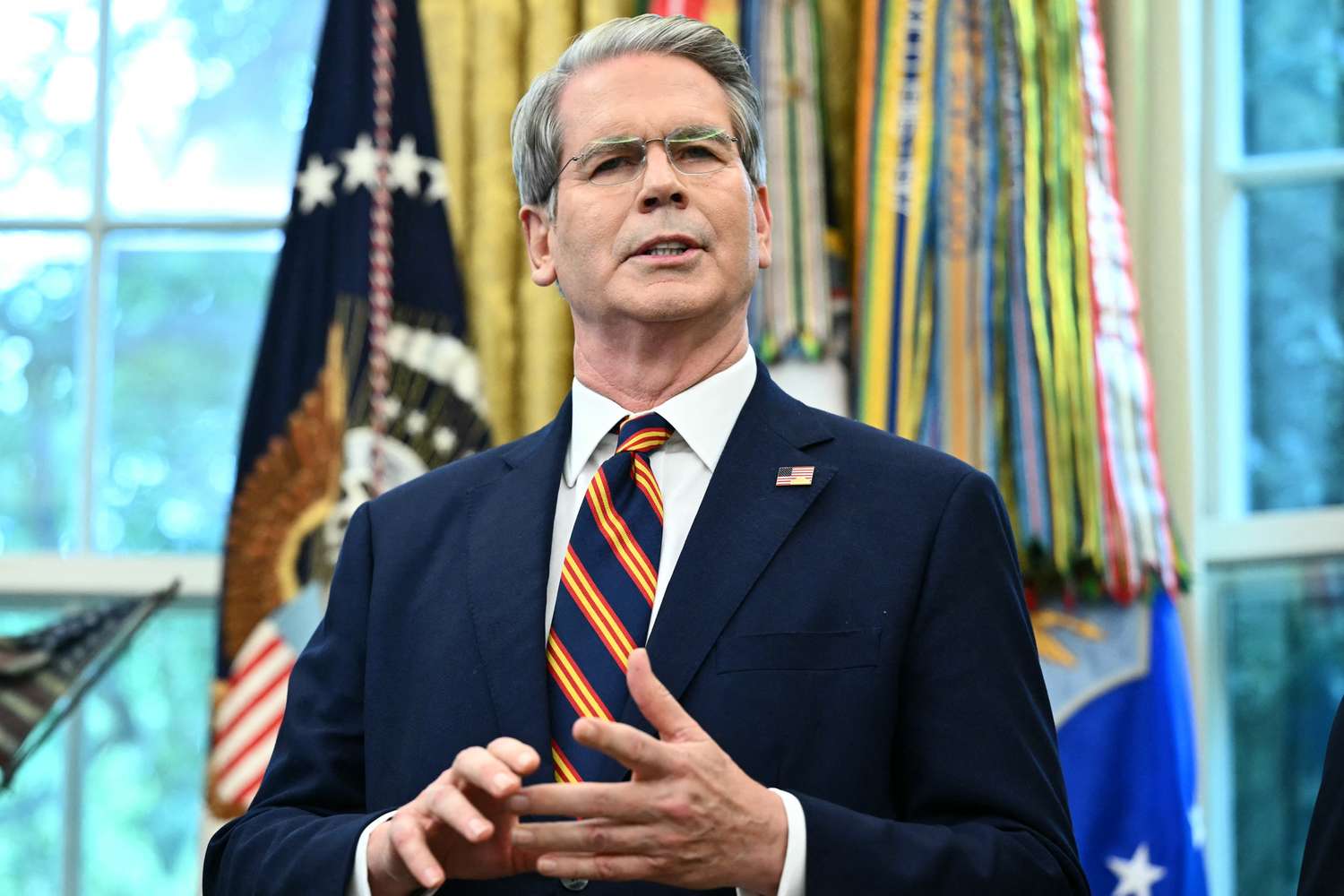
US Treasury Secretary Scott Bessent is expected to provide more details on Monday about Washington’s latest push to isolate the Iranian economy.
Read More : South Korea Proposes Border Talks with North
President Donald Trump has described the planned measures as the “most crushing” financial operation ever against Tehran.
The United States has also urged its allies and China to support the campaign, which comes as the Middle East conflict approaches its six-month mark.
US Vice President JD Vance described the strategy as a “delicate dance”, warning that Iran could respond by applying economic pressure on the United States.
Meanwhile, Asian stocks were mostly lower in early trading, with South Korea’s Kospi falling 1.4 percent.
Samsung Electronics also revealed it spent $80 billion to buy back its shares after weeks of volatile trading.
Samsung and rival SK hynix had reached highs in June on optimism over artificial intelligence but have since fallen during broader technology market concerns.
Investors are also watching Nvidia’s earnings report this week for signs of whether the AI boom can sustain its rapid growth.
“The spending machine is still running, but the bill is getting heavier,” said Stephen Innes of SPI Asset Management.
Chinese technology giant Alibaba has also announced plans to raise $10.2 billion through a Hong Kong share sale to finance its global AI ambitions.
Hong Kong’s market fell more than two percent despite fast-fashion retailer Shein announcing plans to list on September 1 at a valuation of nearly $27 billion.
Read More : Canada Begins Free Trade Talks With Turkey
Tokyo, Shanghai, Taipei and Wellington also declined, while Sydney, Jakarta and Bangkok recorded gains.
Investors are additionally looking towards the annual Jackson Hole gathering of central bankers, economists and finance officials in the United States for clues about US monetary policy.
The meeting comes after US Treasury yields climbed on inflation concerns and rising government debt, which has now exceeded $40 trillion.