Trending


Portugal’s President António José Seguro has signed legislation banning face coverings in public spaces.
The law prohibits wearing garments designed to conceal the face or prevent identification in public spaces.
It has been widely viewed as targeting Muslim women who wear full-face veils.
Read More : US Judge Orders Return of Deported Egyptian Man
“The face must be considered a central element of human identity and communication,” Seguro said in a statement late Tuesday.
Described by the media as a “burqa law”, after the garment worn by some Muslim women to cover their bodies and faces, the legislation was approved by parliament in July with support from the right-wing governing coalition and the far right.
Left-wing political parties, however, voted against it.
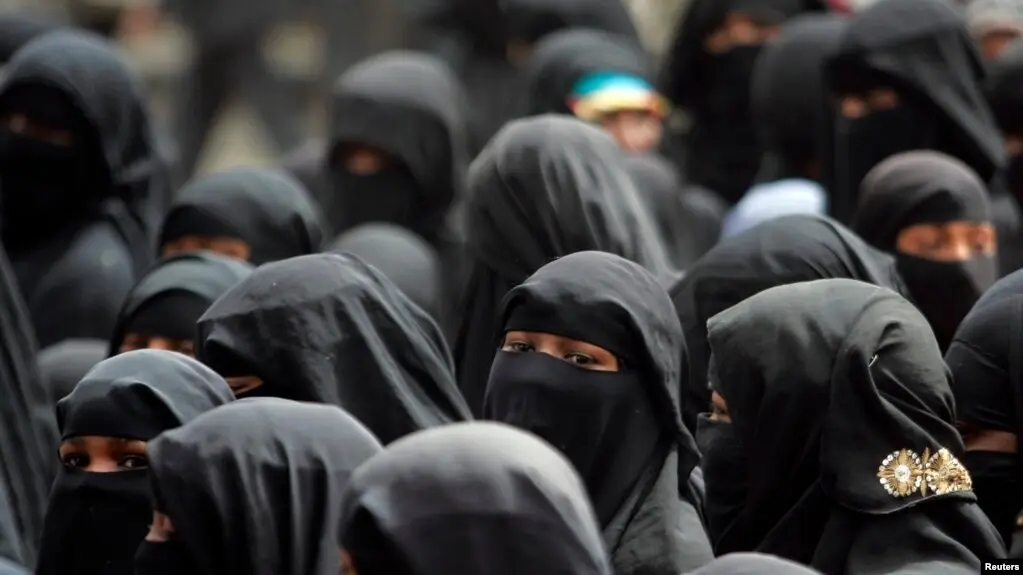
Rights campaigners have long argued that such bans undermine women’s rights by restricting their freedom to choose what to wear.
Seguro acknowledged that the issue involved significant social and cultural sensitivities.
Read More : Nigeria to Deploy 90,000km Fibre Network by 2028
Under the law, violations are punishable by fines ranging from 150 to 3,000 euros ($170-$3,500).
Exemptions apply for health, professional, artistic or weather-related reasons, as well as in places of worship, diplomatic missions and on aeroplanes.
Portugal joins several European countries, including France, Belgium, Austria, Denmark and Switzerland, that have imposed nationwide restrictions on full-face coverings in public