Trending

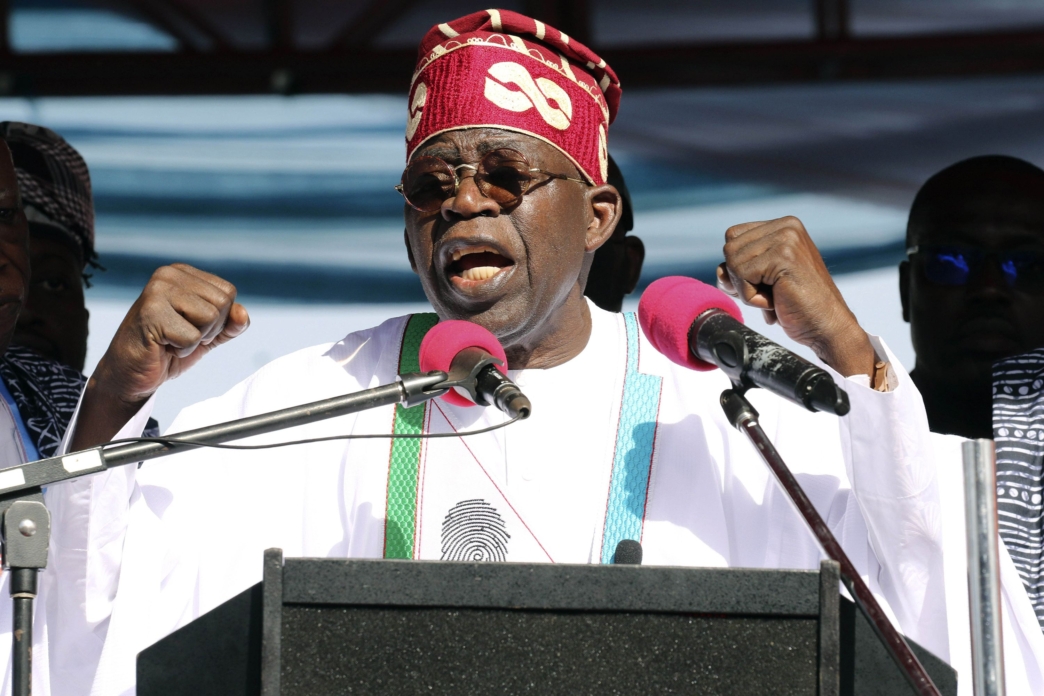
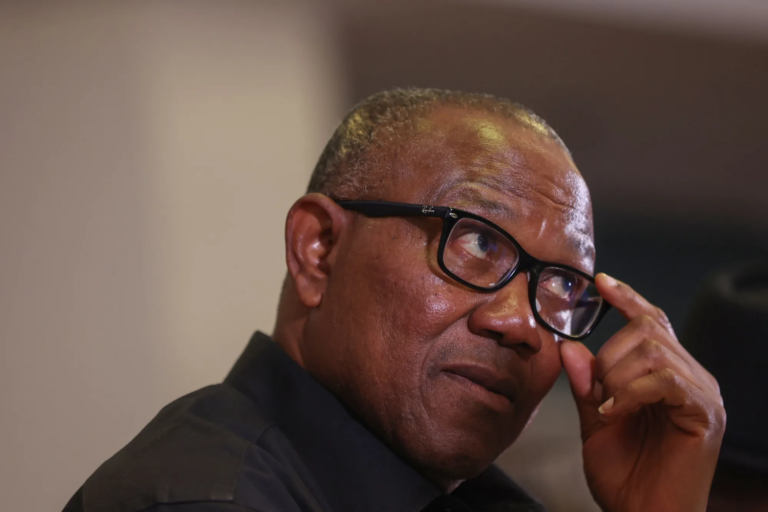
The presidency on Monday accused the presidential candidate of the Nigeria Democratic Congress (NDC), Peter Obi, of politicising an airport encounter involving the country’s Under-17 women’s football team, rejecting his claim that officials prevented him from greeting the players for political reasons.
Dada Olusegun, special assistant to President Bola Tinubu on social media, said national athletes represented the entire country and should not be drawn into partisan disputes.
“The constant attempt by the opposition to politicise our national sports teams and institutions is highly distasteful,” Olusegun wrote on X.
His response followed Obi’s account of an incident at an airport earlier on Monday, where he said officials of the Nigeria Football Federation (NFF) stopped him from greeting the team, popularly known as the Flamingos.
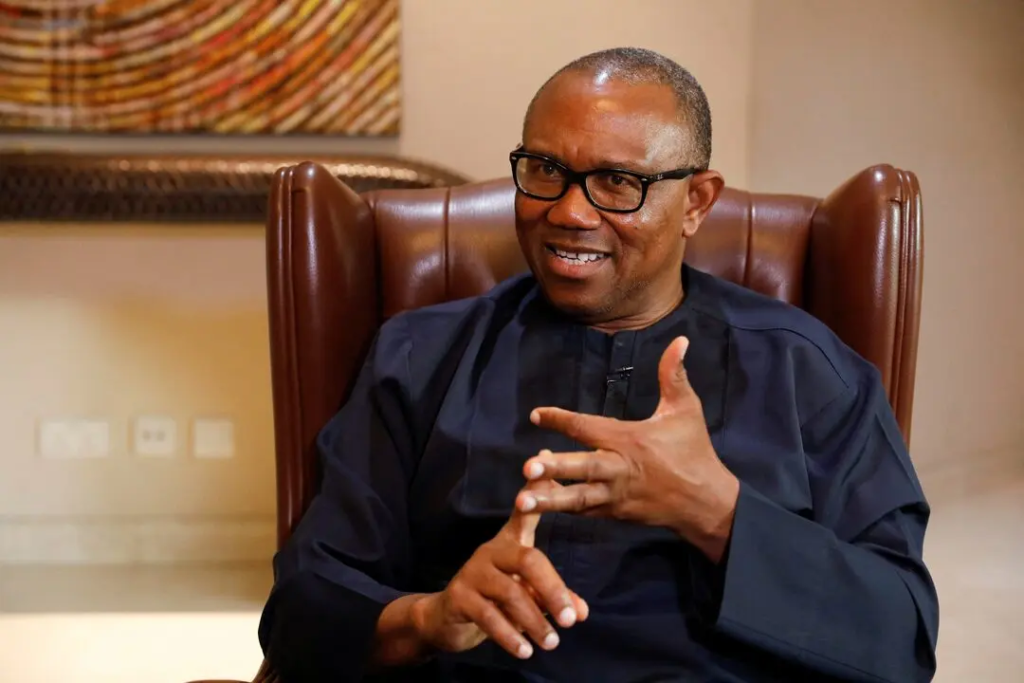
Credit: Reuters
Obi said he arrived at about 7 a.m. to board a flight to Enugu when he saw the players, who had just arrived and were preparing to leave.
He said he asked his protocol officer, Jackie Wayas, to find out whether he could welcome the team but was told that NFF officials had refused, warning that they could lose their jobs if he approached the players.
Olusegun said protocol arrangements for national teams were intended to protect young athletes from political exploitation, commercial distractions and unnecessary media attention while on official duty.
“To spin standard security and administrative protocols into a narrative of political victimisation is a disservice to the unity that sports are meant to foster in our country,” he said.
He also accused Obi of relying on unverified information to portray himself as a victim.
“Mr Peter Obi, I hope you will reflect on your manipulative way of life and stop weaponising unverified hearsay to build a victim narrative,” Olusegun wrote.
Obi said the airport incident was not the first time he had been prevented from greeting Nigerian players.
He recalled that after a World Cup qualifying match in Uyo on March 25, 2025, officials had also stopped him from approaching players, despite being welcomed by the state governor at the VIP stand.
He described the incidents as evidence of what he called “a new dimension of toxic politics” in Nigeria and called for a country where political differences did not lead to hostility or discrimination.
The exchange came after the Flamingos won Nigeria’s first FIFA Under-17 Women’s World Cup title, defeating Japan 2-1 in the final in Rabat, Morocco, on November 7.