Trending


Saudi Arabia’s ambitious investment in football has yet to translate into consistent success for the national team, which arrives at the 2026 World Cup facing mounting pressure.
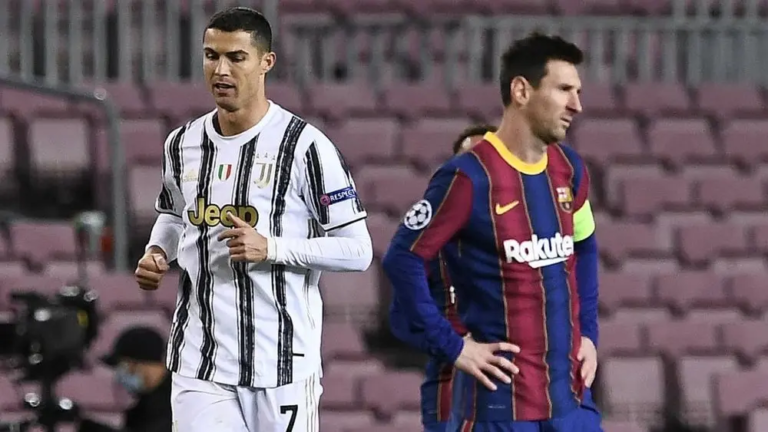
Over three years, the kingdom poured roughly $2 billion into the sport, signing global stars such as Cristiano Ronaldo, Neymar, and Karim Benzema, aiming to transform the Saudi Pro League into a top-tier competition.
Hosting rights for the 2034 World Cup further underscore the country’s strategy to attract tourists and diversify its economy.
Read More : Maresca Confident City Will Win Appeal
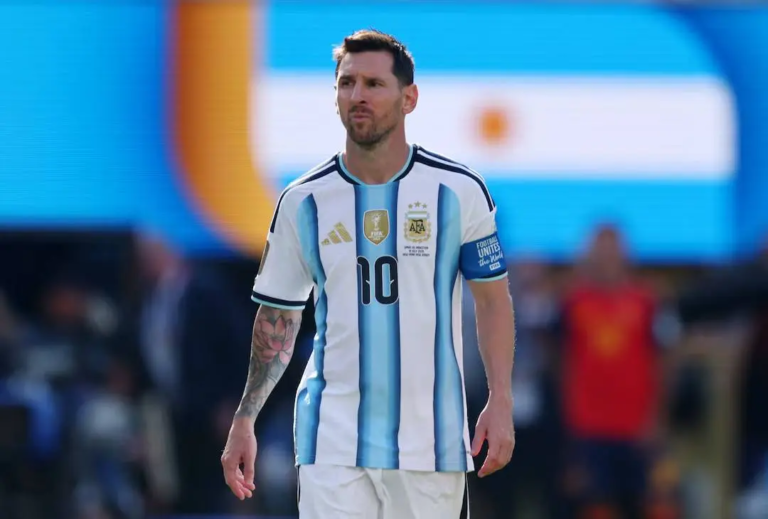
Despite these high-profile moves, the Saudi national team, the “Green Falcons,” have struggled. After their surprise win over eventual champions Argentina in the 2022 World Cup, results have been disappointing.
Saudi Arabia qualified for the expanded 48-team tournament via a play-off, narrowly edging out Indonesia and Iraq on goal difference. Recent heavy defeats, including a 4-0 loss to Egypt and a March loss to Serbia, led to the departure of French coach Herve Renard.
Greece’s Georgios Donis, appointed just two months before the tournament, highlighted the challenges posed by the influx of foreign stars in domestic clubs.

“The Saudi players are learning a lot from very good, experienced players, especially from Europe; that is very positive,” he said. “On the other hand, Saudi players don’t have the same chance (to play) like before. We need the players to play, we need the players to have better rhythm and tempo, it’s very important in football.”
Saudi Arabia is in Group H alongside Spain, Uruguay, and Cape Verde. Donis remains cautiously optimistic, noting, “The Saudi players have big talent. They have to continue to work, not to give up, and to show to their coach, ‘I’m here and I deserve a chance.’ It’s not easy, but we can make the best.”
Read More : Kenyan Women Take Soapstone Craft Global
Experts warn that replacing local talent with foreign signings has disrupted player development. Middle East sports analyst Amro Elserty said, “Saudi internationals stopped playing regularly, the result was predictable.”
Only one squad member, Lens full-back Saud Abdulhamid, plays abroad.
Simon Chadwick of Emlyon Business School adds, “This year’s tournament is a checkpoint on the journey to 2034; the question is, have targets been set and how will progress be assessed?”