Trending
Senegal continues to fight a severe financial crisis sparked by the 2024 discovery of billions of dollars in debt that the previous administration hid.
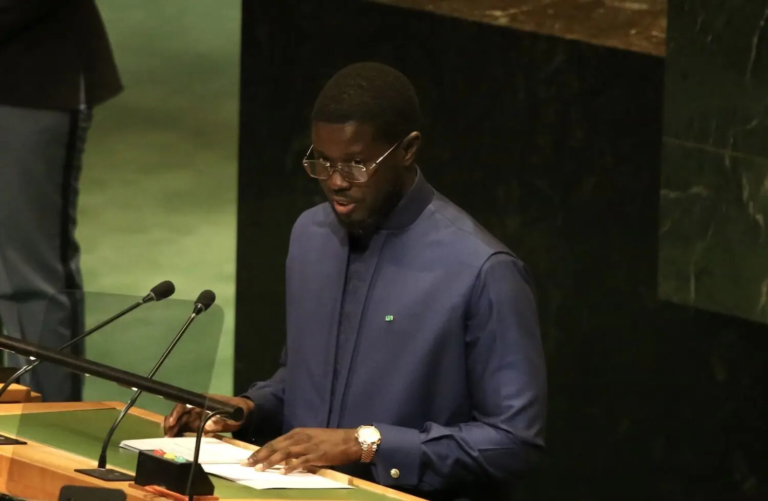
The economic turmoil began shortly after President Bassirou Diomaye Faye won the March 2024 election, leading to a series of international credit downgrades and a suspended $1.8 billion International Monetary Fund (IMF) credit facility.
Over the past two years, the West African nation has struggled to balance its budget, reform domestic policies, and secure a new IMF lending programme to resolve its massive debt woes.
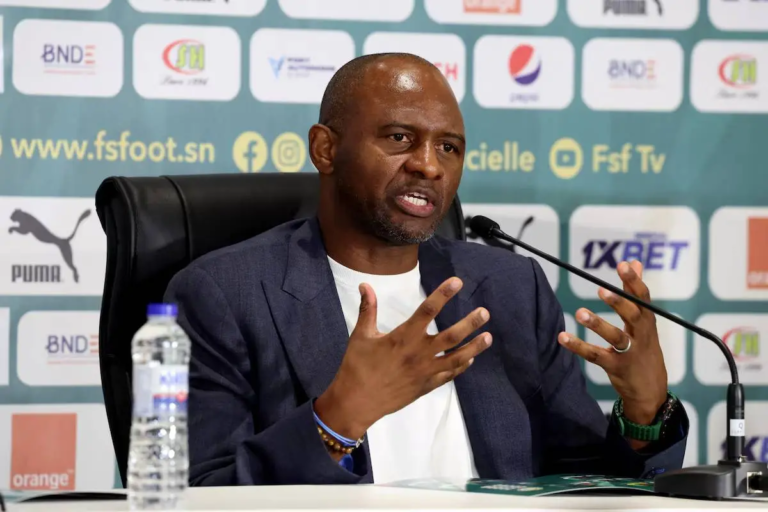
Read More : Vieira’s Senegal Debut Ends in 1-1 Draw
The crisis deepened significantly when the Court of Auditors confirmed that the previous government understated end-2023 debt at 74.41 per cent of GDP instead of the actual 99.7 per cent, exposing roughly $7 billion in hidden borrowing.
S&P Global Ratings later estimated the hidden liabilities at around $13 billion, prompting further downgrades.
In response, the IMF blocked new funding talks, urging Senegal to cut costly energy subsidies and streamline tax exemptions to stabilise its economy.
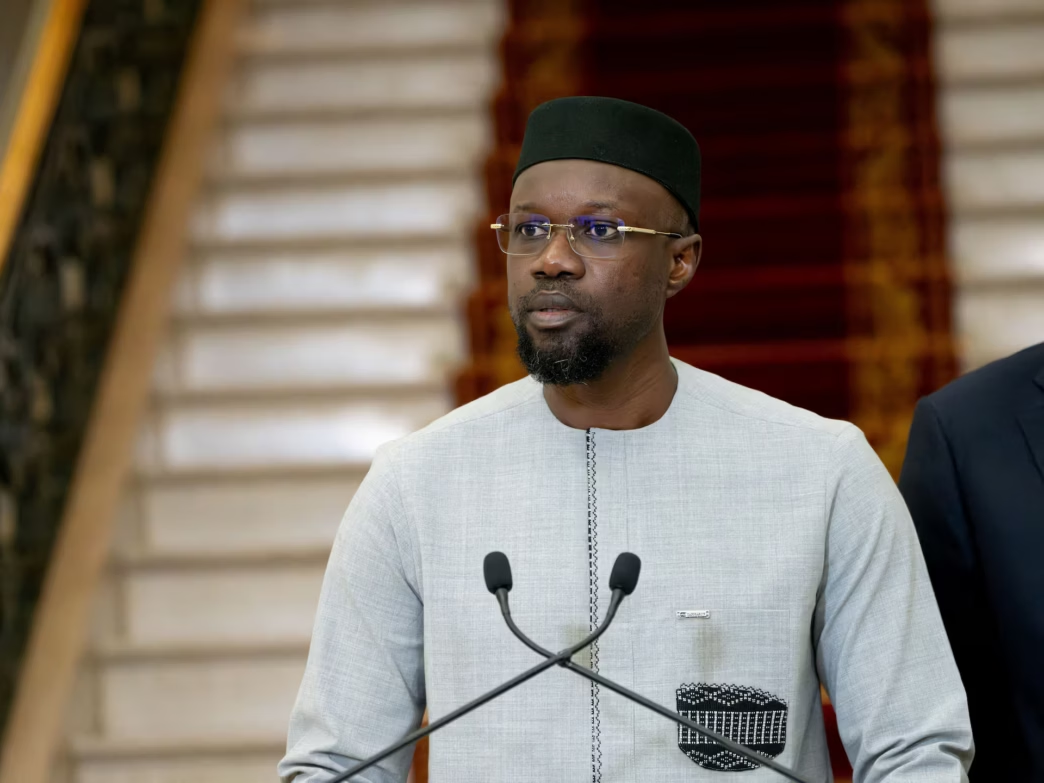
To resolve the crisis without relying on external restructuring—a move former Prime Minister Ousmane Sonko labelled a “disgrace”—Senegal proposed economic recovery plans funded primarily by domestic resources and aimed at boosting tax compliance.
However, fundamental differences over subsidy budgets and fiscal reforms slowed progress with international lenders, while projected economic growth for 2026 plummeted to just 2.2 per cent.
The financial strain recently fractured the government, leading President Faye to sack Sonko and appoint economist Ahmadou Al Aminou Lo as the new prime minister to spearhead negotiations.
The political shakeup comes just ahead of a scheduled mid-June IMF technical mission to Dakar, where the restructured government will continue discussions to resolve the country’s hidden debt crisis.