Trending
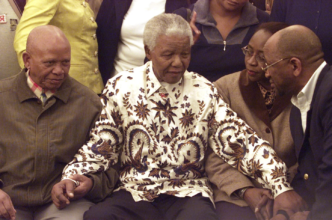
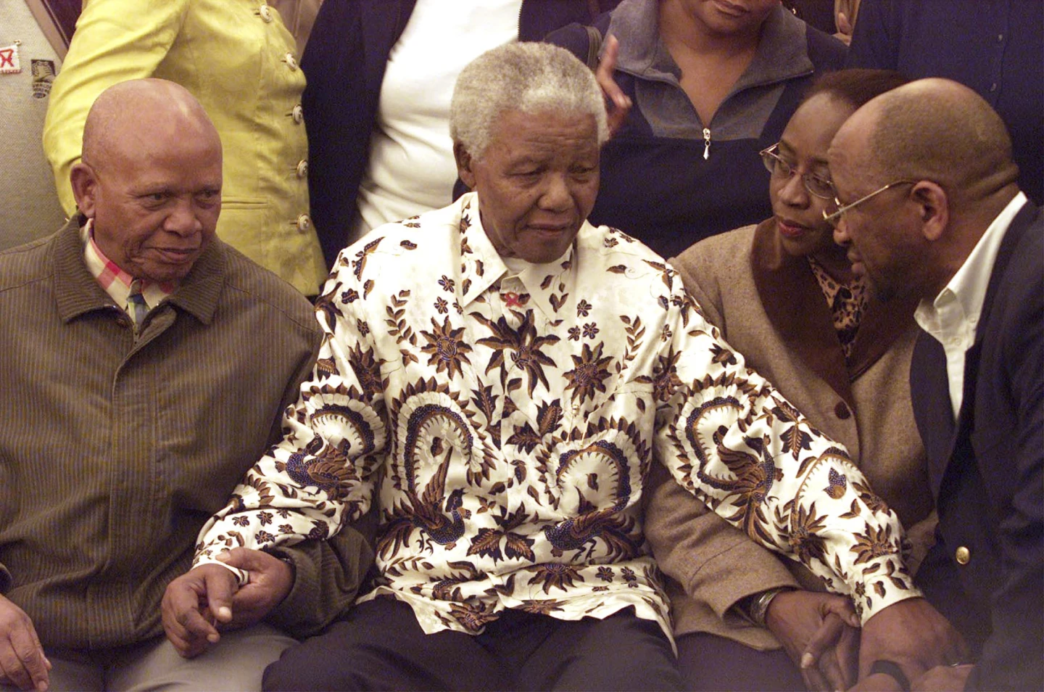
South Africa’s government has approached the country’s highest court to stop the auction of personal items belonging to former president Nelson Mandela, arguing that the memorabilia forms part of the nation’s cultural heritage.
The legal dispute, which has lasted four years, centres on 29 items linked to the anti-apartheid icon. The collection includes Mandela’s identity card, several of his shirts, personal writings, gifts from former US presidents, and a key to his prison cell on Robben Island, where he spent 18 of his 27 years behind bars.
The South African Heritage Resources Agency (SAHRA) and the culture ministry have asked the Constitutional Court to rule that selling and exporting the items would violate heritage protection laws.
In a court summary, authorities argued that the objects “are deemed to be heritage objects and their unpermitted export was unlawful”.
The auction, organised by New York-based auction house Guernsey’s in partnership with Mandela’s eldest daughter, Makaziwe Mandela, was first announced in 2021. It was suspended a year later after SAHRA challenged the planned sale.

Makaziwe Mandela authorised the auction to raise funds for a memorial garden planned near her father’s burial site in Qunu, Eastern Cape.
The items have drawn global attention because of their connection to Mandela’s political journey and personal life. They include clothing linked to his public image, handwritten materials, and gifts from international leaders such as Barack Obama and Bill Clinton.
Mandela became South Africa’s first democratically elected president in 1994 and served until 1999. He died in December 2013 at the age of 95.
The Constitutional Court’s decision will determine whether the historic objects remain in South Africa or can be sold and exported as part of the planned auction.