Trending
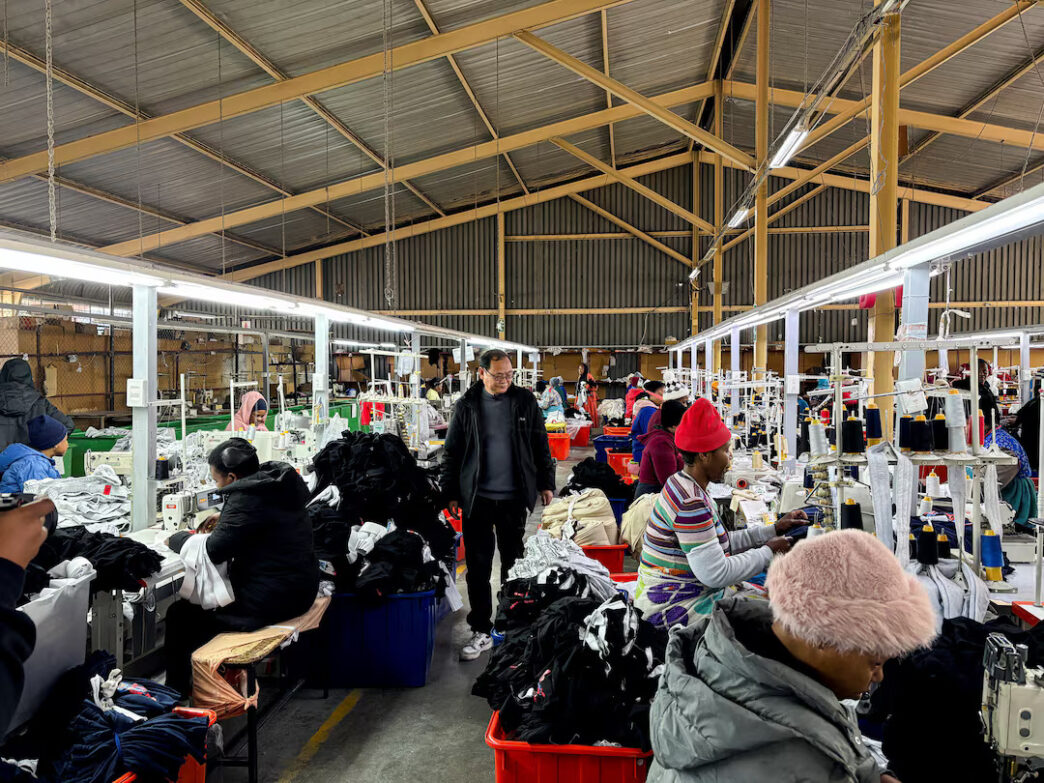
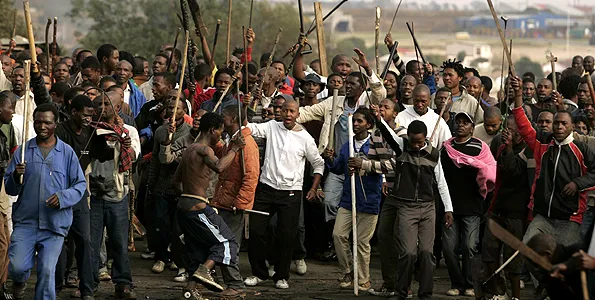
Anti-immigrant protests in South Africa have driven thousands of foreign workers out of the country, leaving rows of sewing machines idle across the manufacturing hub of Newcastle in KwaZulu-Natal.
The March and March led the xenophobic campaign to clear jobs for South Africans in a nation facing a 33 percent unemployment rate.
However, local manufacturers now struggle to fill critical vacancies previously held by foreign workers.
Factory owners lost between 12 per cent and 19 per cent of their workforces during the July unrest, reporting that locals remain reluctant to take low-paying factory roles and lack specialised sewing skills.
“People don’t want to work in factories,” explained Mpho Nkosi, a 29-year-old administrator at one of the affected firms.
The labour shortfall threatens a vital regional industry that produces garments for domestic retailers under a national initiative to curb reliance on imports.
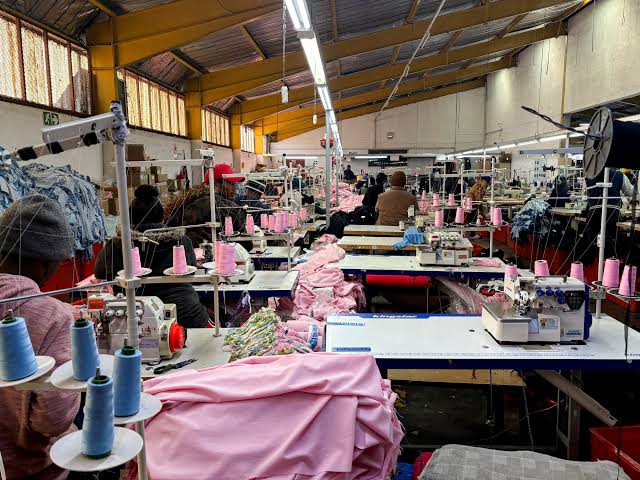
Manufacturers are unable to raise wages above piece-rate structures because they operate on paper-thin margins, with retail buyers paying as little as 11.50 rand per pair of jeans.
As a result, many workers struggle to reach the national minimum wage of 30.23 rand ($1.83) per hour.
Complicating matters further, recent government inspections into illegal labour practices caused retailers to pull orders, leaving several firms operating at a loss.
Newcastle factory owner Alex Liu warned that the dual impact of lost contracts and missing labour could trigger widespread industrial closures by December, ultimately eliminating more local jobs than the protests claimed to create.