Trending
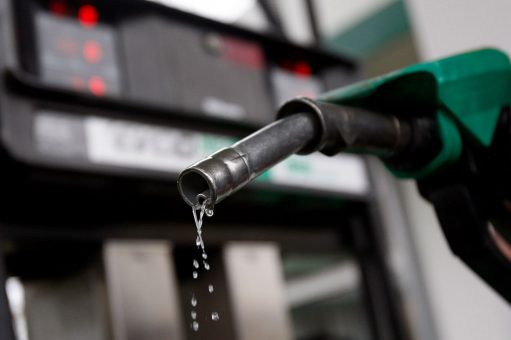
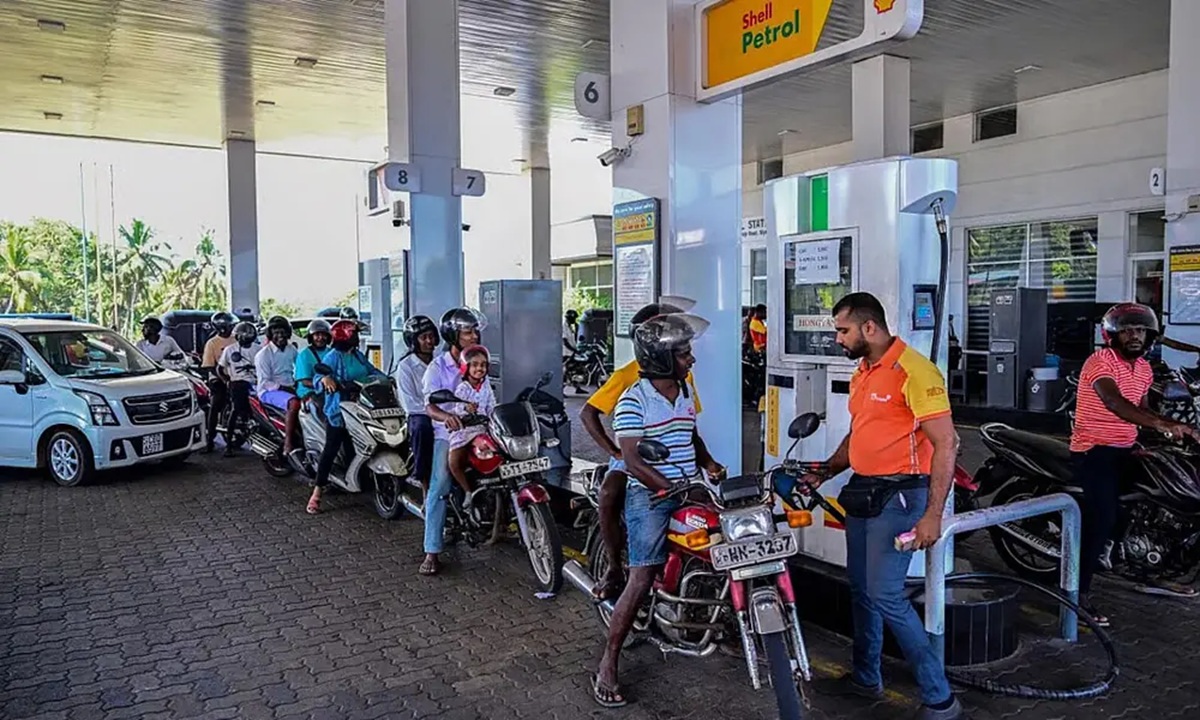
Sri Lanka has increased fuel prices by up to six per cent as part of reforms tied to an International Monetary Fund (IMF) bailout programme to ensure cost recovery and gradually eliminate energy subsidies.
The state-owned Ceylon Petroleum Corporation announced on Sunday that petrol prices had risen from 410 rupees to 434 rupees per litre, while diesel prices had increased from 392 rupees to 407 rupees per litre.
The adjustment came days after the IMF approved the release of a $695 million tranche from a $2.9 billion rescue package agreed in 2023 to support the South Asian nation’s economic recovery.
Under the bailout programme, Sri Lanka is required to align fuel and electricity prices with market costs.
The IMF has urged the government to reduce subsidies introduced earlier this year following the escalation of conflict in the Middle East and the resulting surge in global energy prices.
President Anura Kumara Dissanayake has informed the IMF that fuel subsidies will be phased out by September as part of the country’s reform commitments.
Since the outbreak of hostilities involving Iran in February, Sri Lanka has increased petrol and diesel prices by about 48 per cent, while electricity tariffs have risen by roughly one-third.
Read More : Bolsonaro Defies Exit Ban, Flees to US
The country remains heavily exposed to global energy market disruptions as it imports all of its petroleum products and relies on imported coal for electricity generation.
Authorities have warned that prolonged instability in the Middle East could threaten Sri Lanka’s fragile economic recovery, particularly given concerns over disruptions to oil supplies through the Strait of Hormuz, a critical route for global crude exports.
Sri Lanka defaulted on its $46 billion external debt in 2022 after exhausting its foreign exchange reserves. Since then, the government has relied on IMF support and economic reforms to stabilise the economy and restore financial confidence.