Trending
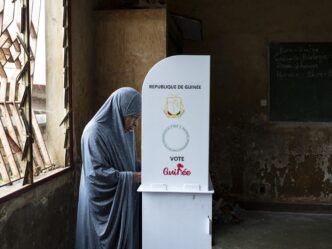
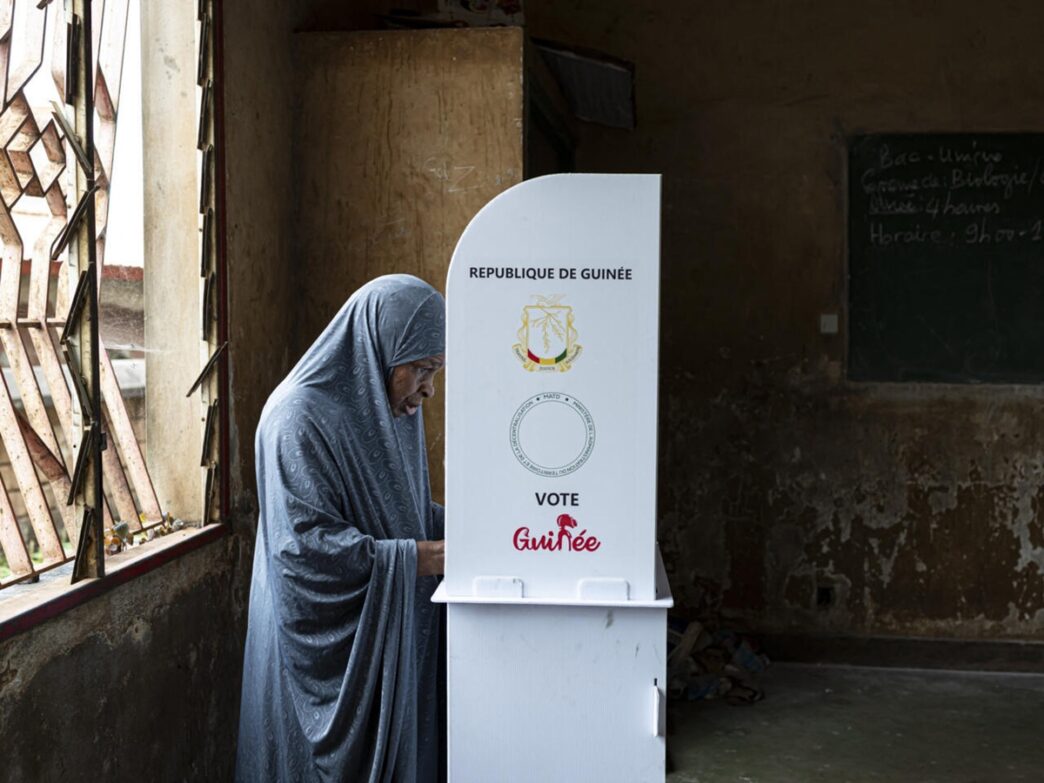
Polling stations opened across Guinea on Sunday as voters participated in legislative and municipal elections, five years after the 2021 military coup that brought President Mamadi Doumbouya to power.
Nearly seven million citizens were eligible to vote, although opposition figures and civil society groups urged a boycott, accusing the process of lacking credibility.
The elections will determine 147 members of parliament, with many expected to come from the ruling camp following the dissolution of major opposition parties earlier in March.
Read More : PETROAN Directs Members To Inspect Fuel Meters
First-time voter Mariatou Diallo, 18, told AFP she was uncertain about her choice, saying she did not have clear information on the candidates.
Another voter, 23-year-old student Alassane Barry, described the contestants as unfamiliar figures, saying he did not recognise most of them.
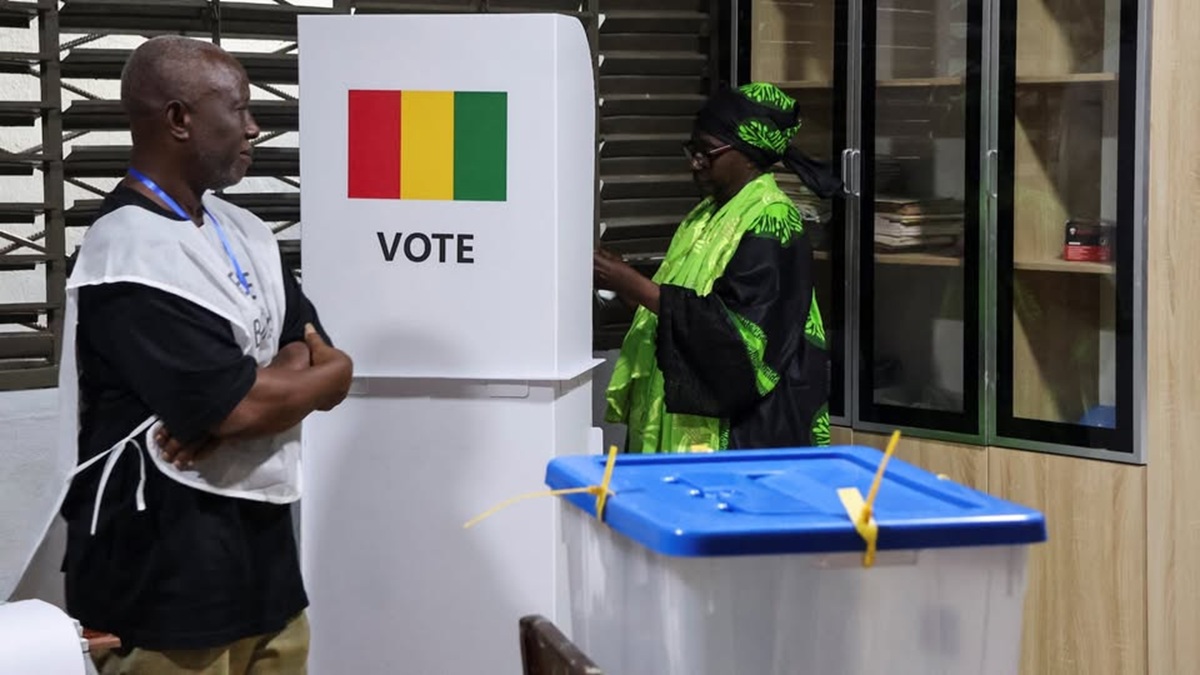
A coalition of opposition parties and civil society groups, the Forces Vives de Guinée, dismissed the polls as an “electoral farce,” alleging that the process was designed to entrench what they described as an emerging dictatorship.
Although voting reportedly proceeded peacefully, early turnout was low, according to AFP correspondents in the capital, Conakry.
The election comes just days after the Eid al-Adha celebrations, a period when many citizens travel or gather with family, raising concerns about voter participation levels.
Doumbouya, who took power in September 2021, was later elected president for a seven-year term in December, in a contest where he faced no major challenger.
He had initially pledged to return the country to civilian rule after a transition period, but his administration has since faced criticism over political repression.
Authorities have suspended several political parties, restricted public demonstrations, and detained opposition and civil society figures.
Read More : NEMA Warns 15 States Over Riverine Flooding
Reports of enforced disappearances have also increased, targeting critics of the government and their relatives.
A recent assessment by the Institute for Security Studies warned that Guinea’s political environment risks becoming dominated by a single power bloc, with potential consequences for democratic governance.