Trending
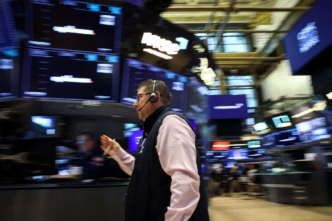
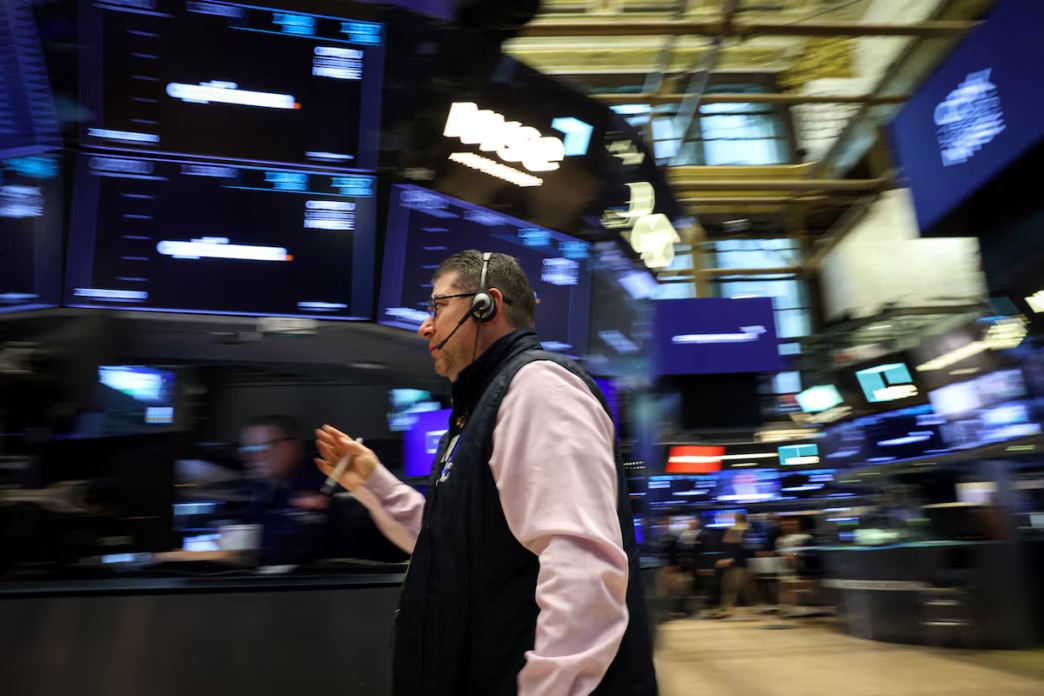
Global stock markets plummeted, and energy prices surged following a high-stakes meeting between US President Donald Trump and Chinese leader Xi Jinping that failed to resolve the ongoing diplomatic deadlock over the Strait of Hormuz.
The lack of operational progress toward reopening the critical maritime chokepoint reignited severe investor anxieties that prolonged supply disruptions will fuel persistent, long-term inflation.
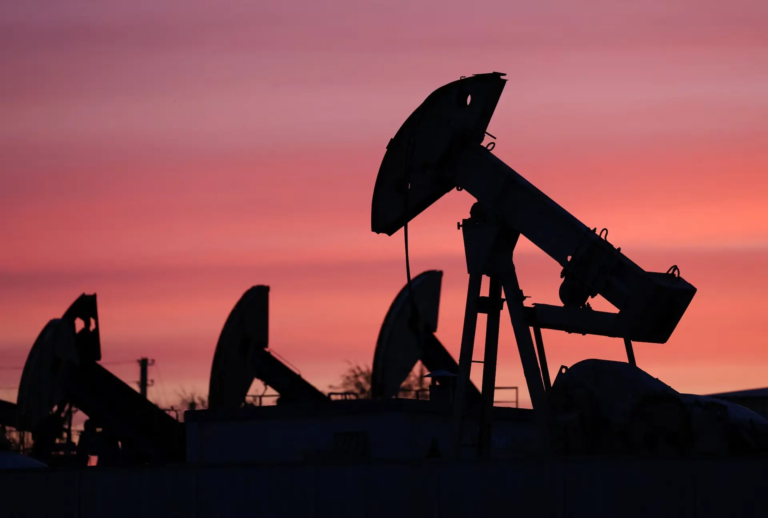
International benchmark Brent crude jumped nearly two per cent to approach $108 a barrel, a spike that immediately drove up global government bond yields and sent major European equity indices in London, Paris, and Frankfurt tumbling by approximately 1.5 per cent in midday trading.
The pervasive market anxiety also triggered a sharp sell-off across Asia, where Tokyo’s Nikkei shed 2 per cent, and indices in Hong Kong and Shanghai fell over 1 per cent.
Market analysts warned that with oil tanker traffic remaining at a near standstill and President Trump signalling diminishing patience toward Tehran, the energy market could face a prolonged supply deficit stretching through the autumn.
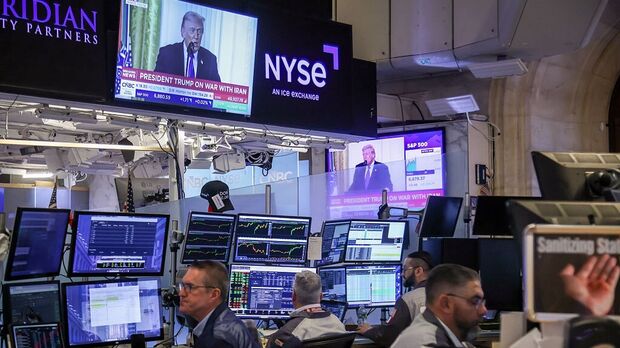
This structural impasse leaves global investors, consumers, and central banks bracing for an extended period of elevated inflationary pressures that threaten to derail broader macroeconomic growth.