Trending
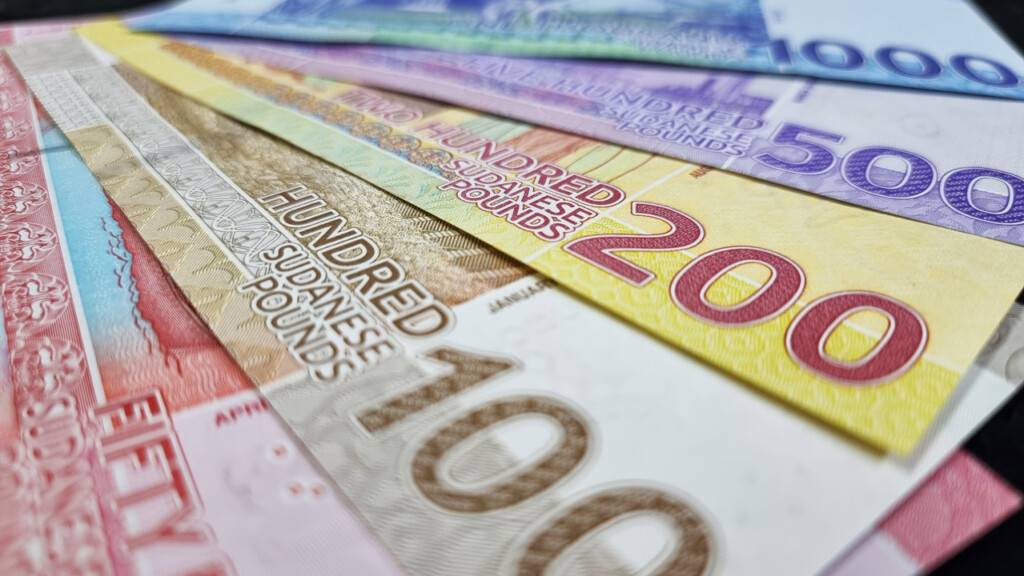
The circulation of newly issued Sudanese pound notes in areas controlled by the Rapid Support Forces (RSF) is entrenching divisions further in war-torn Sudan.
The RSF, a paramilitary group, was once allied with Sudan’s military before relations deteriorated into a full-scale conflict in April 2023.
Since then, the group has seized control of large parts of the country, particularly in the western Darfur region.
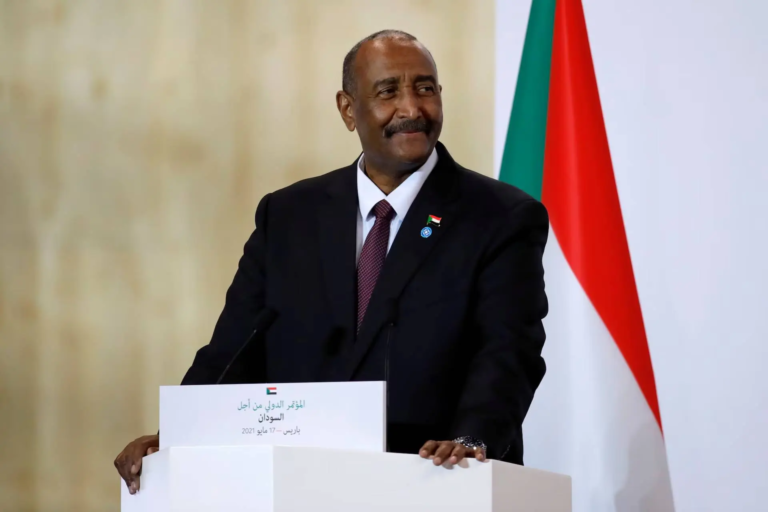
Read More : US Denies Visa to Sudan’s De Facto Leader
As it consolidates its authority, the RSF has established a parallel administration known as the “Tasis” government in territories under its control.
The administration has gradually assumed state functions, including paying civil servants’ salaries.
Control of the country’s currency has emerged as another flashpoint in the conflict. In 2024, Sudan’s army-led government declared older Sudanese pound notes invalid and introduced new 500- and 1,000-pound denominations.
According to four residents who spoke to Reuters, the RSF subsequently rejected the newly issued notes, leading to a growing cash shortage in areas under its control.
That shortage appeared to ease in May when civil servants and RSF fighters began receiving salaries in Sudanese pounds, residents said.
The new notes bear the signature of Hussein Yahia Jangol, Sudan’s pre-war central bank governor, who was appointed head of a new Tasis-run central bank on May 21, shortly before the currency began circulating.
Tasis Prime Minister Mohamed Hasan al-Taishi said the administration continues to recognise Sudanese pounds issued before June 2024.
While declining to comment on the source of the newly circulating notes, al-Taishi said any measures related to cash management and liquidity were based on “well-thought-out technical plans aimed at maintaining economic stability and meeting the needs of citizens and markets.”
He accused the army-led government of using currency policy as a weapon in the conflict.
“The government is harming civilians by changing the currency, drying up the markets, and exploiting the currency as a tool of war,” al-Taishi said.
The army-aligned central bank did not respond to Reuters’ requests for comment.
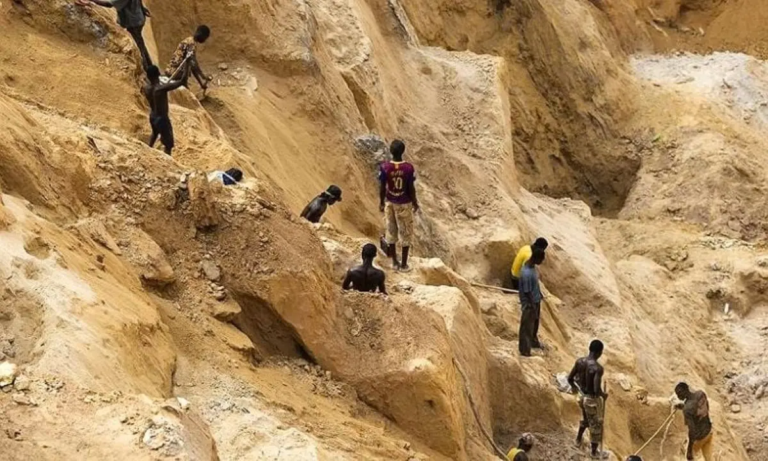
Read More : Sudan Gold Mine Collapse Kills 10
With cash remaining scarce in many parts of Sudan, residents have increasingly relied on digital payment platforms. One of the most widely used is Bankak, a mobile banking application operated by the Bank of Khartoum and used across both sides of the conflict, although users often complain about high transaction fees.
In RSF-controlled areas, a rival digital transfer service operated by Future Bank has gained prominence this year. Residents told Reuters the platform was used to pay at least some salaries in May, reflecting the growing emergence of parallel financial systems in areas outside government control.
The development highlights how Sudan’s nearly three-year conflict is increasingly creating separate political, economic and financial structures across rival territories, deepening the country’s de facto division.