Trending


The commissioner of Tennessee’s Department of Correction, Frank Strada, has resigned after a botched execution left a convicted murderer in critical condition, the state’s governor announced on Saturday.
Governor Bill Lee said in a statement that Strada will leave his post this month, following the unprecedented incident involving 50-year-old Christa Pike, who survived two lethal injections of pentobarbital on Wednesday.
Pike was sentenced to death for the 1995 murder of 19-year-old Colleen Slemmer at a job training camp. During the execution at Riverbend Maximum Security Institution in Nashville, media witnesses reported hearing Pike snore for about an hour after she was administered the lethal doses and said she was still alive when they were escorted from the viewing area.
Read More : US Urges Restraint Over Ethiopia Tigray Crisis
Pike was subsequently taken to hospital, where she remained unconscious and critically ill on a ventilator as doctors worked to remove the pentobarbital from her system, according to her lawyers in a court filing on Friday.
Lee thanked Strada for what he described as his willingness to put the interests of Tennesseans first during the difficult situation.
Strada, in the governor’s statement, maintained that the Department of Correction had carried out its responsibilities in accordance with established procedures.
Lee, who had previously rejected Pike’s clemency request, has suspended all further executions in Tennessee for the remainder of the year while a comprehensive independent review of the state’s execution procedures is conducted.
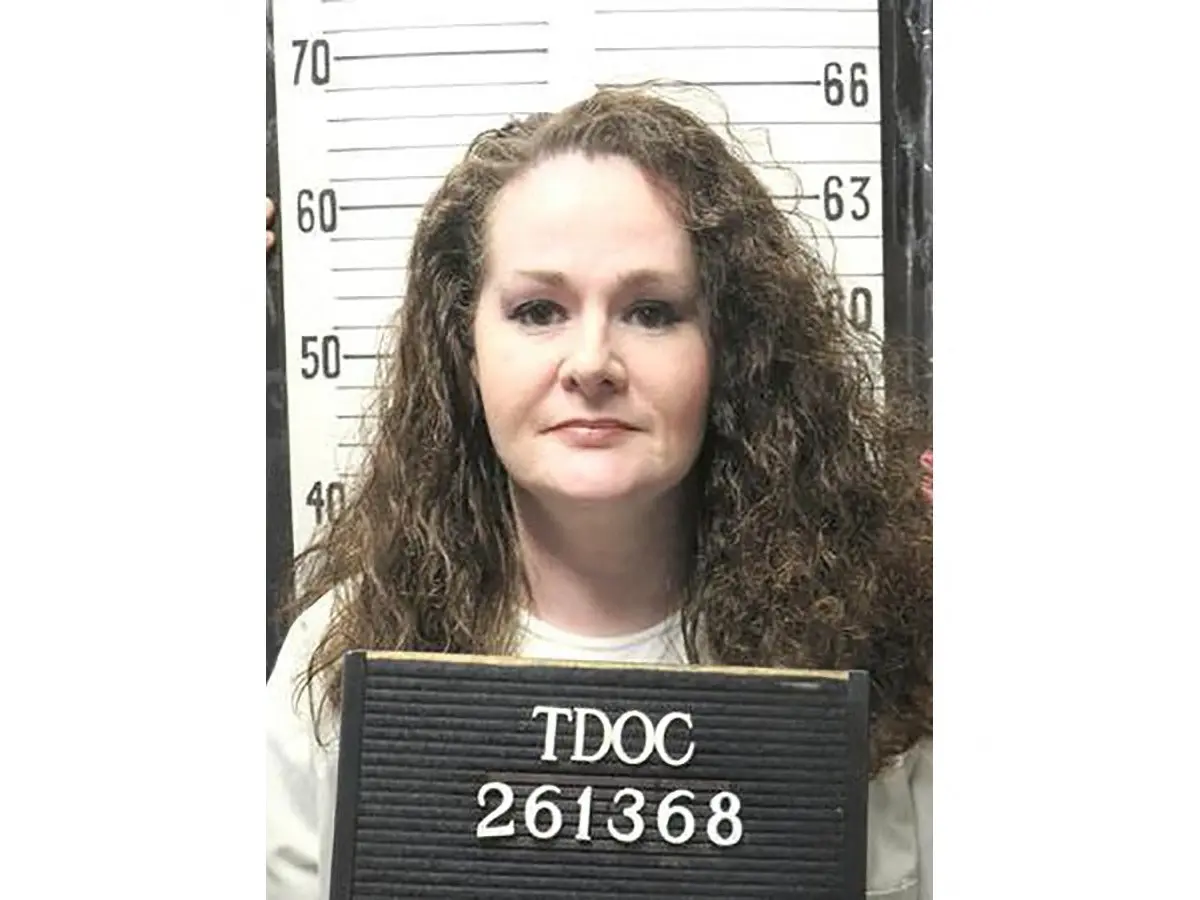
Pike’s lawyers had challenged the intravenous procedure used for her execution before the scheduled date, arguing that her small veins and a blood condition could make the process unnecessarily painful.
One of her lawyers, Randy Spivey, said he observed seven attempts to insert needles into Pike’s left arm while execution staff tried to establish an intravenous line. He said one of the needles appeared to have bent when it was removed after an unsuccessful attempt.
Another lawyer, Stephen Ferrell, said medical experts had warned that repeated attempts to establish an IV line could result in a needle becoming dislodged or piercing the vein, potentially causing the lethal drugs to enter surrounding tissue rather than the bloodstream.
The court filing described pentobarbital as a caustic substance capable of damaging skin, tissue and veins. It said both of Pike’s arms were swollen, burned and blistered when she arrived at the hospital.
Media witnesses also reported that Pike complained to execution staff that her arm felt as though it would burst after the lethal drug was administered.
The Death Penalty Information Center, which tracks and analyses capital punishment in the United States, said Pike was the first known prisoner to survive after being administered lethal doses of execution drugs.
Her execution had already drawn wider attention because she was 18 when she participated in the killing of Slemmer alongside her boyfriend.
Slemmer’s death attracted national attention after her body was discovered with a pentagram carved into her chest, a symbol often associated with Satanism.
Read More : North Korea Launches Missile Using AI
Pike’s lawyers had sought clemency, citing her age at the time of the crime, mental health problems, childhood sexual abuse and post-traumatic stress disorder.
The case also drew attention because Pike was set to become the first woman executed by Tennessee in more than two centuries.
According to the Death Penalty Information Center, 18 women have been executed in the United States since 1976.