Trending
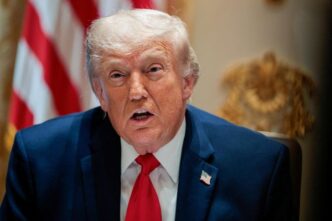
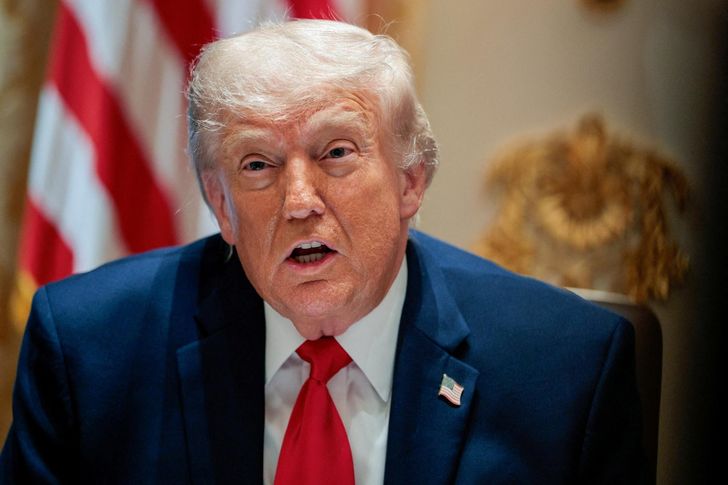
The administration of US President Donald Trump has softened its earlier announcement suggesting that all non-citizens seeking permanent residency, commonly known as a Green Card, would be required to return to their home countries to apply.
According to The New York Times, the Department of Homeland Security (DHS) clarified on Friday that the policy would not apply universally. Instead, officials said decisions would be made on a “case-by-case basis”.
The clarification follows comments made on 22 May by Trump administration spokesman Zach Kahler, who stated that individuals living temporarily in the United States and seeking a Green Card would have to return to their home country to complete the application process, except under extraordinary circumstances.
Read More : Mauritania Students Protest Transport Fare Hike
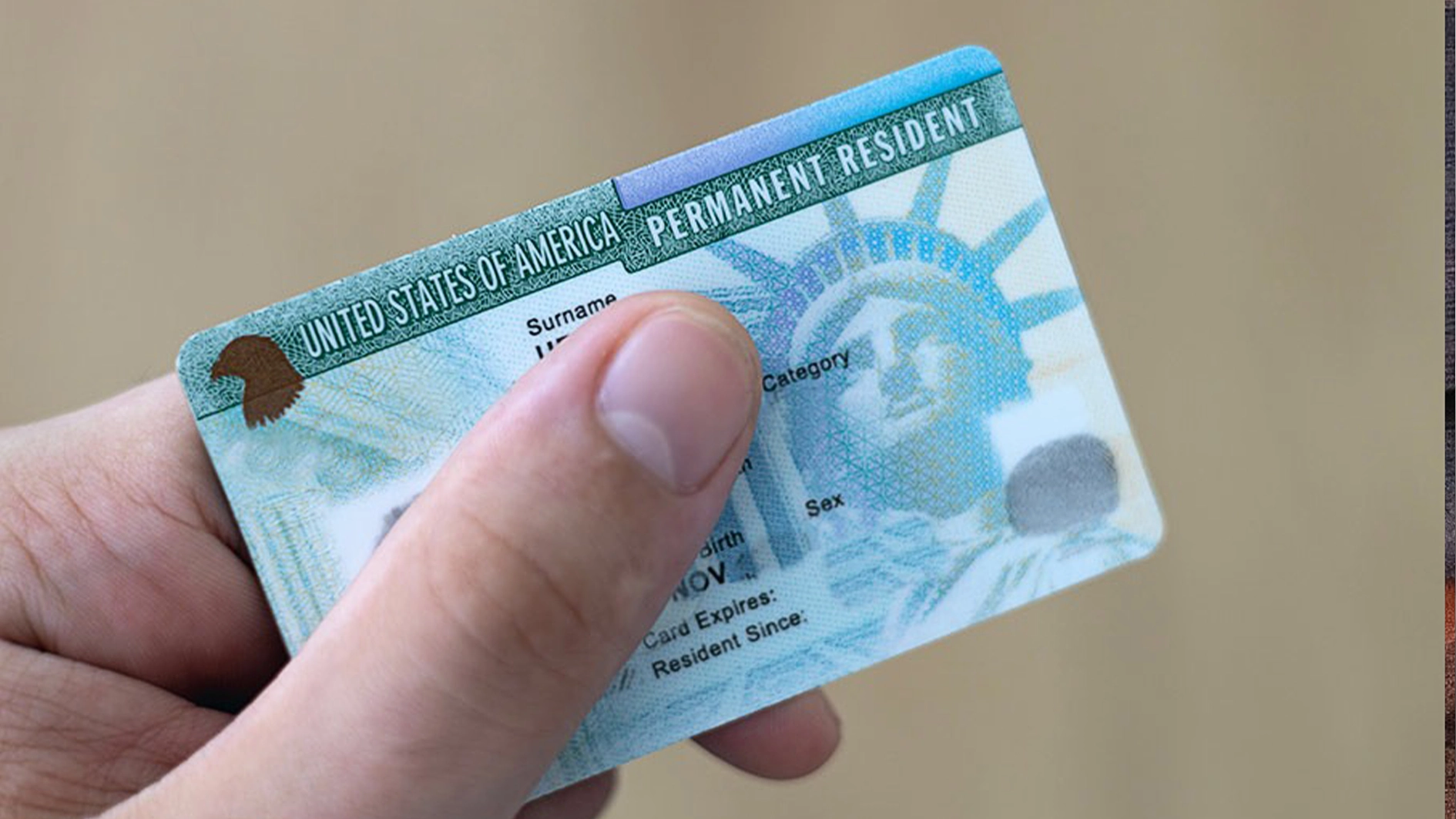
The announcement generated concern among millions of immigrants pursuing permanent residency, as it was widely interpreted as a significant departure from existing immigration procedures.
President Trump returned to office pledging to tighten immigration controls and deport undocumented migrants. Since taking office, his administration has also restricted several legal pathways to US residency.
The United States issues more than one million Green Cards annually. According to the American Immigration Council, more than half of those granted permanent residency in recent years have applied while already living in the country.
Read More : Brazil’s Lula Turns 81, Vows 24-Hour Workday
A US official, speaking anonymously to AFP on Saturday, said the policy merely reaffirms longstanding immigration laws and procedures that the administration believes were not properly enforced under former President Joe Biden.
The official maintained that the policy would not prevent qualified applicants from obtaining permanent residency. Instead, some applicants who do not meet discretionary requirements may be required to complete the process through US diplomatic missions abroad.
The official also argued that highly skilled workers and other qualified applicants who have complied with immigration rules are unlikely to experience any significant impact from the policy clarification.