Trending
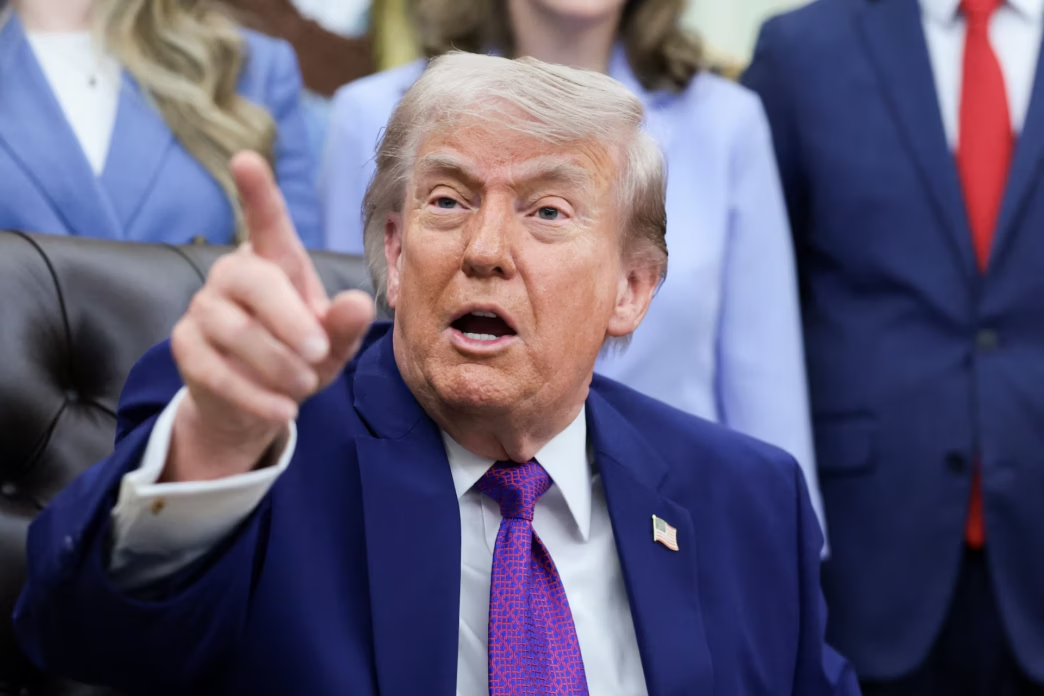
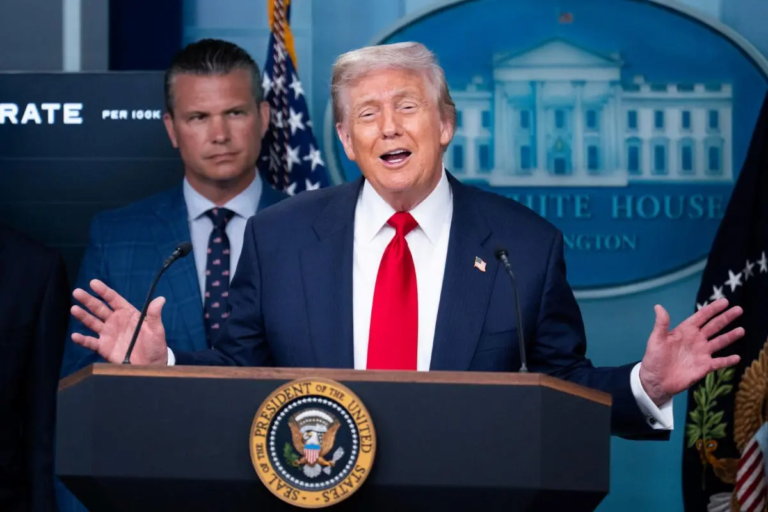
U.S. President Donald J. Trump issued a forceful warning on Thursday, June 11, 2026, declaring that the United States would carry out significant military action against Iran and outlining plans that could dramatically widen the ongoing conflict in the Middle East.
“The United States will be hitting Iran (whose Navy, Air Force, Radar, Anti-Aircraft, and all other forms of Defence, together with most of its offensive capability, are GONE!), VERY HARD TONIGHT,” he said in a post on his social media platform, Truth on Thursday
This message came amid escalating exchanges between U.S. and Iranian forces, which have already seen multiple rounds of airstrikes and counter‑strikes despite a previously brokered ceasefire. Trump’s rhetoric marks a sharp escalation, threatening intensified military pressure to compel Tehran to accept U.S. terms in indirect negotiations.
Beyond immediate military action, Trump went further by indicating strategic intentions for Iran’s energy sector. He wrote that “at some point in the not too distant future, we will be taking Kharg Island, and other oil infrastructure points, and assume total control of their oil and gas Markets”, a reference to potential U.S. control over Iran’s most critical energy assets.
Kharg Island sits in the Strait of Hormuz and is central to Iran’s crude oil exports, handling a large majority of the country’s energy shipments. Strategic control over the island or its infrastructure could have far‑reaching implications for global oil markets and regional power balances. Analysts note that such an outcome could reshape energy supply routes and intensify political tensions worldwide.
Trump also compared this prospective action to U.S. involvement in Venezuela’s oil sector, asserting that such control has worked “brilliantly” for both nations, a claim that analysts say will be viewed sceptically given the complex geopolitical and economic issues involved in that region.
The president’s comments arrive against a backdrop of broader conflict: Iran has launched attacks on U.S. bases and allied interests in the Gulf, and negotiations over issues such as the Strait of Hormuz and Iran’s nuclear program remain unresolved.
As of now, it remains unclear how these threats will translate into concrete military operations, or whether diplomatic channels can still offer a path away from wider war. Observers warn that further escalation could have significant humanitarian, economic, and security consequences for the Middle East and beyond.