Trending


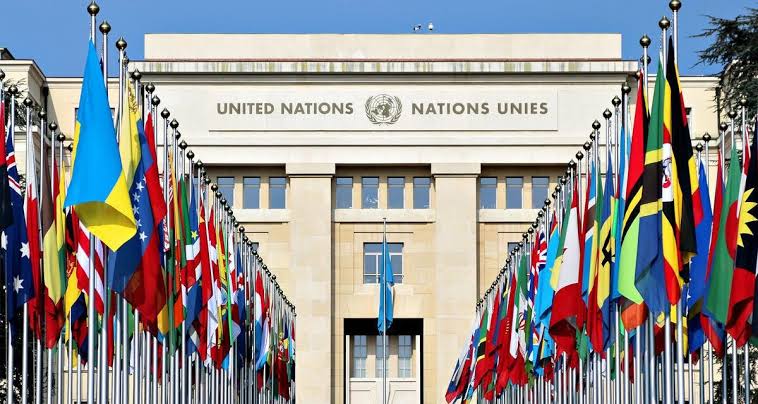
Global funding for the fight against Human Immunodeficiency Virus (HIV) has dropped by 18%, with the United Nations (UN) warning that progress against AIDS is at risk.
The warning came on Monday as the 26th International AIDS Conference opened in Rio de Janeiro, Brazil. According to a UNAIDS report, international funding for HIV programmes in developing countries fell sharply by 18% in 2025 after the United States reduced foreign aid under President Donald Trump. Several European countries, including France, Germany and the United Kingdom, also cut their contributions.
UNAIDS Deputy Executive Director Angeli Achrekar said the global response to HIV is “absolutely faltering” and warned that the virus could resurge if countries fail to act together.
“If we do not collectively come together as we have in the past, we will see re-emergence” of the virus, Achrekar said.
Despite the aid cuts, the United States still accounts for 74% of donor government funding for HIV programmes, while European funding has fallen by 58% since 2011.
The report said countries with high HIV rates, especially in sub-Saharan Africa, increased domestic funding by 4% last year.
However, UNAIDS said the increase is still far below what is needed, as many low-income African countries depend on foreign aid for up to 90% of their HIV response. The agency also reported that new HIV infections and AIDS-related deaths fell to their lowest levels in more than 30 years in 2025.
However, new infections increased in 21 countries.
UNAIDS called for wider access to new HIV medicines, urging pharmaceutical companies to make breakthrough treatments more affordable and accessible.
Ahead of the conference, Merck announced plans to allow manufacturers in Africa and India to produce cheaper generic versions of its once-monthly HIV drug, alimatravir, once approved.
Doctors Without Borders (MSF) also urged Gilead to expand access to its long-acting HIV prevention drug, lenacapavir, saying the treatment remains too expensive for many countries despite its potential to transform HIV prevention.