Trending

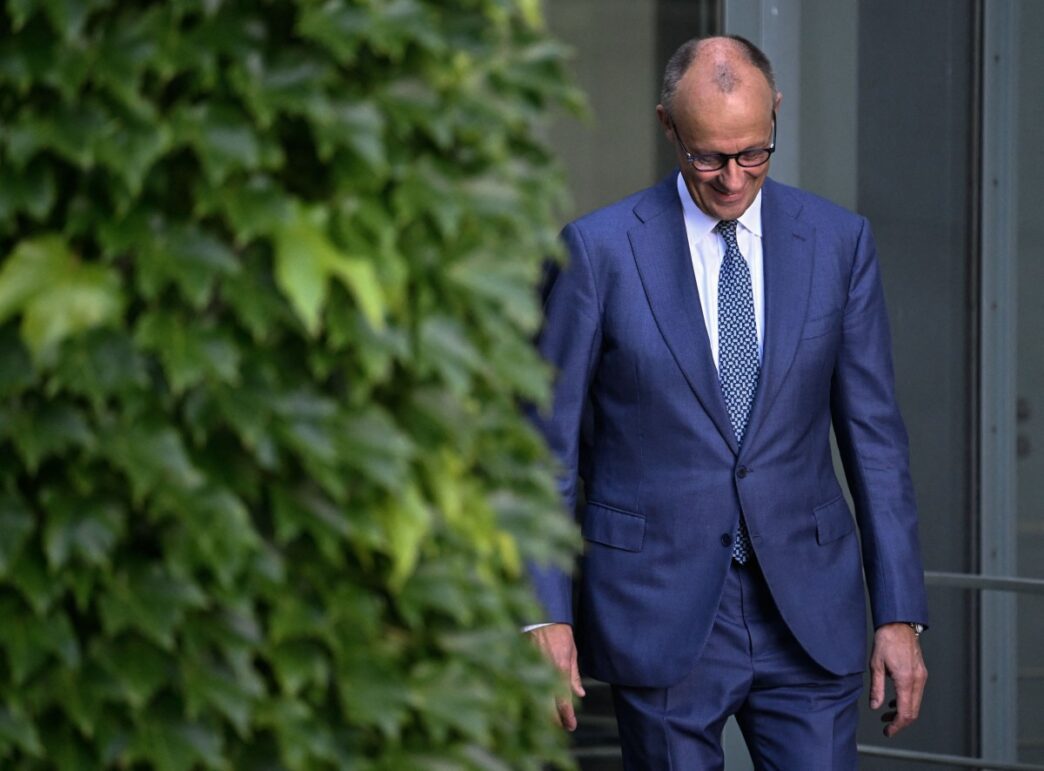
Chancellor Friedrich Merz has completed a turbulent cabinet reshuffle with the appointment of Steffen Bilger as Germany’s new transport minister.
The 47-year-old CDU politician will formally take office on Wednesday, replacing Patrick Schnieder, who stepped down amid growing criticism over his handling of the country’s rail infrastructure.
Merz confirmed the move at a press conference following a CDU leadership meeting, expressing regret over the circumstances that prolonged Schnieder’s tenure.
Read More : German State Elections Put Merz Under Pressure
“I am sorry for the situation that resulted,” Merz said, adding that he has “no problem” with Schnieder personally.
The former minister had faced months of scrutiny over Germany’s underperforming rail system, despite the government loosening its traditional debt restrictions to fund hundreds of billions of euros in defence and infrastructure projects.

Bilger inherits the responsibility of ensuring these funds translate into tangible results. Merz emphasised that he expects Bilger to “demonstrate that this enormous borrowing is justified by swift implementation – in transport projects, rail, roads, the entire infrastructure.”
The cabinet changes were triggered last week by the resignation of Jens Spahn, CDU parliamentary group chairman, following controversy over his decision to use a surrogate mother in the United States, a practice illegal in Germany and opposed by the CDU. Spahn’s decision prompted his departure and set off a series of replacements within the party.
Merz’s chief of staff, Thorsten Frei, will take over Spahn’s parliamentary role, while current Health Minister Nina Warken moves into Frei’s position. CDU General Secretary Carsten Linnemann will assume the role of health minister.
The reshuffle concludes a period of uncertainty in Berlin, highlighting the challenges of balancing party expectations, public scrutiny, and the urgent need to advance Germany’s infrastructure agenda.
Bilger’s appointment marks a new chapter for the CDU-led government as it seeks to implement ambitious projects efficiently.