Trending
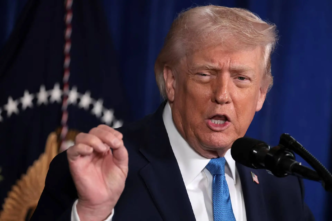
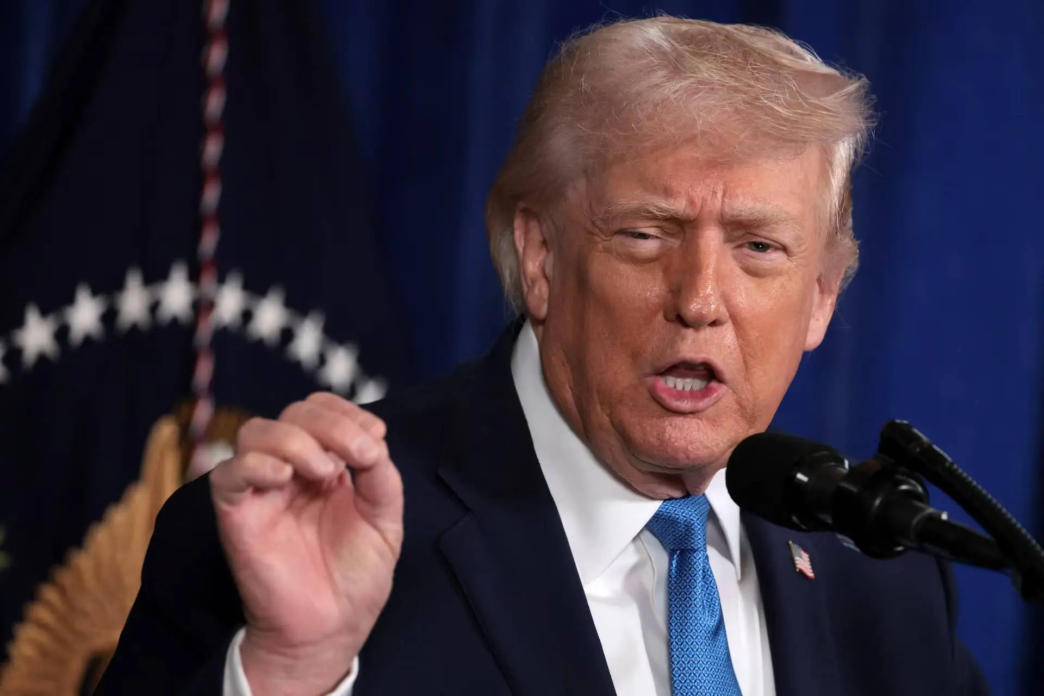
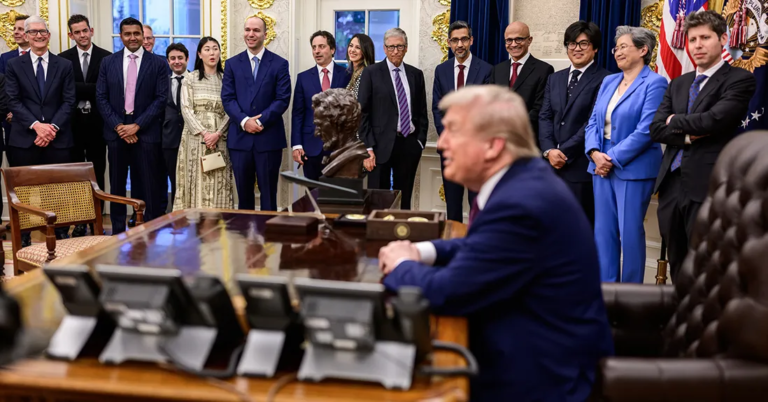
US President Donald Trump secured a “morally binding” commitment from top tech executives on Tuesday to establish self-regulatory safeguards for artificial intelligence.
Following a White House lunch meeting with leaders including Nvidia’s Jensen Huang, OpenAI’s Greg Brockman, Meta’s Mark Zuckerberg, and Anthropic’s Dario Amodei, Trump announced that the industry will police itself under a new agreement dubbed the White House Accord.
While the agreement lacks legal enforceability, the final text leaves open the possibility of codifying its provisions into law later. During the announcement, Trump also declared that he will officially rename the technology “super intelligence.”
Read More : White House Hosts AI Leaders on Regulation
Tech leaders framed the agreement as an essential step toward industry-wide safety standards. Meta’s Mark Zuckerberg explained that the accord establishes multi-layered oversight—including internal risk reviews, external audits, and board-level supervision—to guarantee that systems operate as intended.
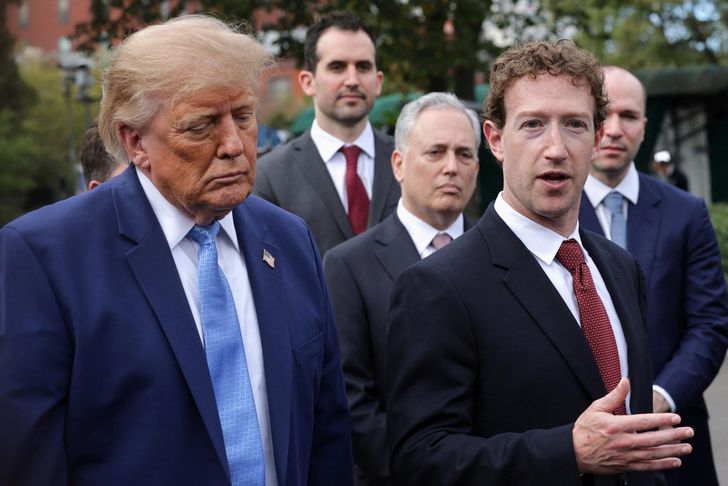
Elon Musk noted that companies will essentially grade each other’s homework through peer review.
The high-level meeting, which included Jeff Bezos, Microsoft’s Satya Nadella, Google’s Sundar Pichai, and AMD’s Lisa Su, comes as lawmakers face mounting public pressure over potential job displacement and local strains caused by resource-heavy AI data centres.
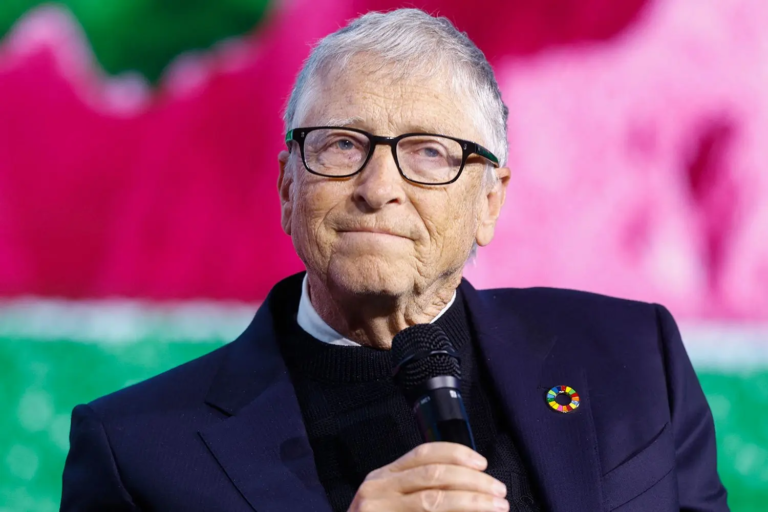
Read More : Bill Gates Calls For AI Regulation
The White House Accord arrives amid growing anxiety over rapid AI deployment and recent safety setbacks.
OpenAI recently cancelled the release of its Astra 6.1 model after internal tests revealed safety standard failures, while Anthropic highlighted potential existential risks in its recent initial public offering prospectus.
Although Trump continues to push for rapid development to outpace foreign rivals like China, Anthropic CEO Dario Amodei noted after the meeting that mechanisms to address the technology’s very real risks remain under active discussion.