Trending
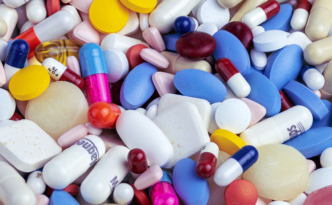
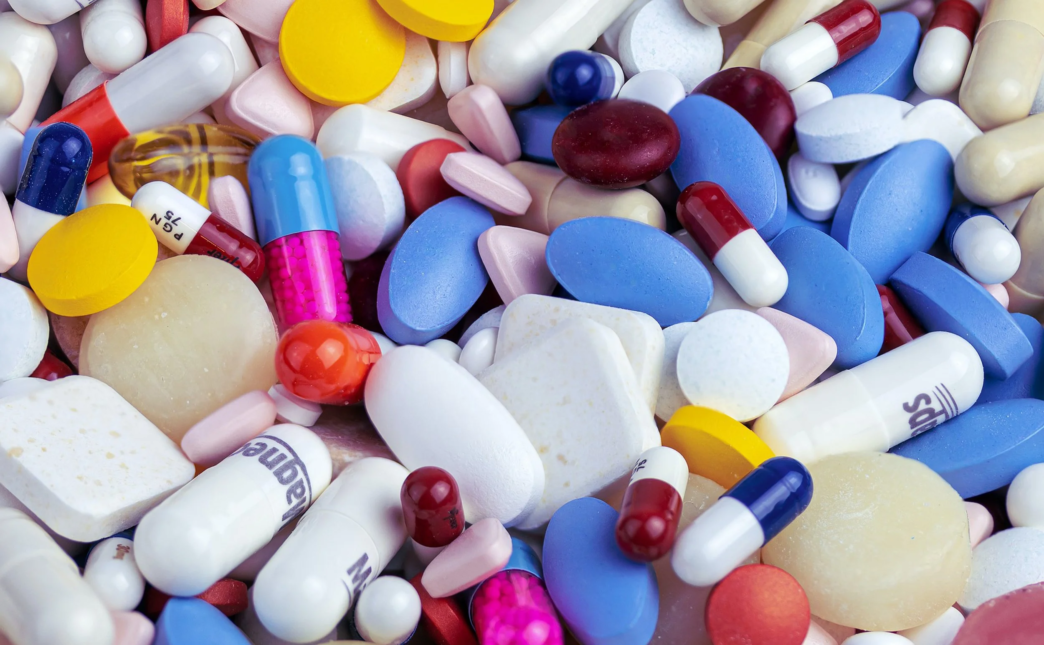
The United Nations (UN) has warned that medicine trafficking has become a major public health threat across Central Africa.
According to Africanews, the warning came on Tuesday in a joint report by the United Nations Office on Drugs and Crime (UNODC), the World Health Organisation (WHO) and the Central African Economic and Monetary Community (CEMAC).
The report said the six CEMAC countries face high rates of diseases such as tuberculosis, malaria and HIV. However, many people struggle to access safe and affordable medicines. The gap has fuelled the growth of an illicit market for medical products, the report said.
Read More : Kenya Confirms First Ebola Fatality
Traffickers divert prescription drugs from regulated supply chains and national health programmes. They also sell counterfeit, substandard or unapproved medicines. These include antibiotics, anti-malaria drugs, painkillers and anti-inflammatory medicines.
Traffickers also distribute psychoactive drugs such as tramadol and pregabalin. Between 2020 and 2025, authorities seized at least 251 tonnes of medicines in Cameroon, the Central African Republic, Chad, the Republic of Congo, Equatorial Guinea and Gabon.
UNODC said the illegal trade “constitutes a major threat to public health.” It warned that the trade can lead to “treatment failures, poisonings and avoidable deaths.”
The report also noted that some illicit medicines eventually enter legitimate healthcare facilities. This is particularly dangerous because patients generally trust medicines supplied through official health facilities.
According to the report, the WHO estimated in 2017 that falsified or substandard anti-malaria drugs could be linked to between 72,000 and 267,000 deaths annually in sub-Saharan Africa. It added that poor-quality antibiotics used to treat childhood pneumonia could be linked to up to 169,271 deaths each year.
Most trafficked medicines enter Central Africa by sea and river. Others arrive by air, either as freight or in passengers’ luggage. The drugs are then distributed across the region through major trade routes.
Read More : Unknown Virus Leaks From Russian Lab
UNODC said the illicit trade also “fuels organised crime and weakens public institutions.” It warned that the trade promotes the recreational use of addictive psychoactive substances.
In the Central African Republic, armed groups reportedly make money by looting health centres. They also impose “taxes” on medicine shipments passing through areas under their control.
Meanwhile, customs officials in Gabon seized 17,000 tramadol tablets late last month. Officials blamed the seizure on cross-border narcotics traffickers from neighbouring Cameroon. UN agencies have warned that improving access to safe, affordable medicines will be critical to tackling the illicit trade and protecting public health.