Trending
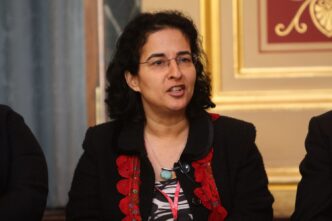
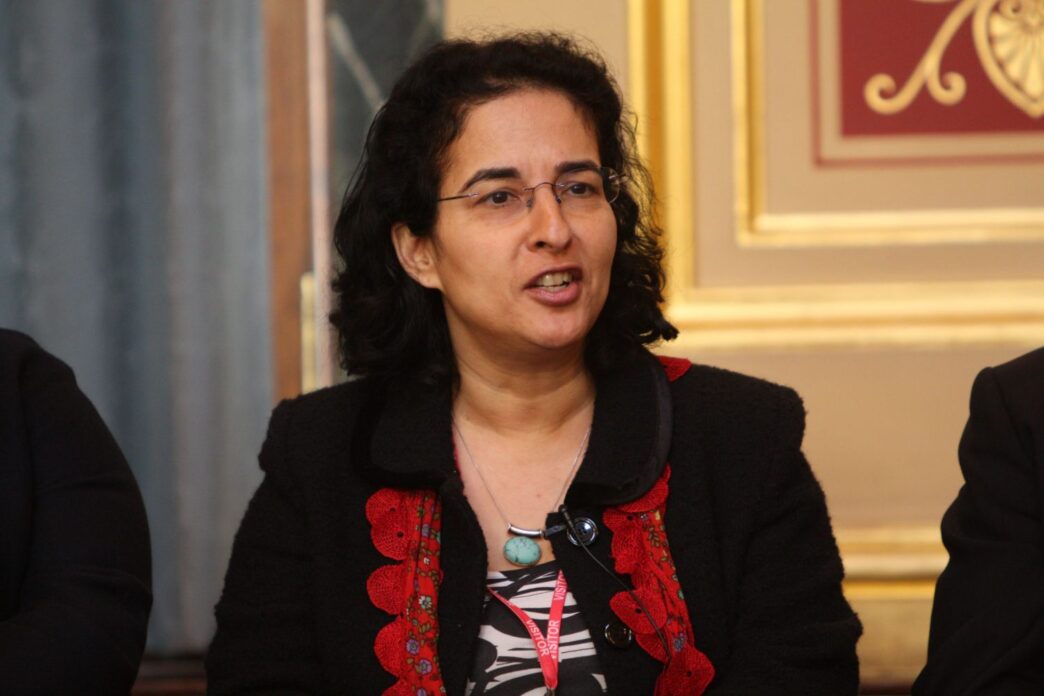
The United Nations’ top expert on religious freedom, Nazila Ghanea, commenced a two-week visit to Nigeria on Monday, amid lingering international debate over allegations of Christian persecution in the country.
Her visit follows politically charged claims that surfaced last year, with the United States elevating concerns about alleged targeting of Christians to high-level government discussions. The accusations coincided with Washington’s military campaign against Nigerian insurgents and were cited to justify the deployment of US troops and renewed counterterrorism operations against Islamic State-linked groups in the region.
Experts caution, however, that the situation on the ground is far more complex. Insurgent activity is concentrated in the Muslim-majority north, meaning many of the victims of attacks are themselves Muslim. Suicide bombings in Maiduguri earlier this year targeted both a crowded market and a mosque, highlighting the indiscriminate nature of extremist violence.
During her visit, Ghanea will tour Abuja, Kano, and Jos, cities that reflect Nigeria’s diverse religious landscape. She is expected to “identify existing and emerging obstacles” to religious freedom, according to the UN announcement.
Nigeria has faced international scrutiny for its blasphemy laws, particularly in northern states governed by sharia law.
The country, with roughly 230 million people evenly split between a mostly Christian south and Muslim-majority north, has a history of sectarian violence, including deadly riots in Jos in 2008 and Mangu in 2024.
Government officials reject allegations of persecution or genocide, as raised last year by former US President Donald Trump. Scholars note that much of the religiously framed conflict stems from disputes between Muslim Fulani herders and Christian farmers, driven by land pressure, climate change, and weak law enforcement, rather than religion alone.
Despite diplomatic tensions, Nigeria has leveraged the controversy to deepen military collaboration with the US, while officials maintain that Christians are not uniquely at risk, emphasising the broader security challenges facing the nation.