Trending
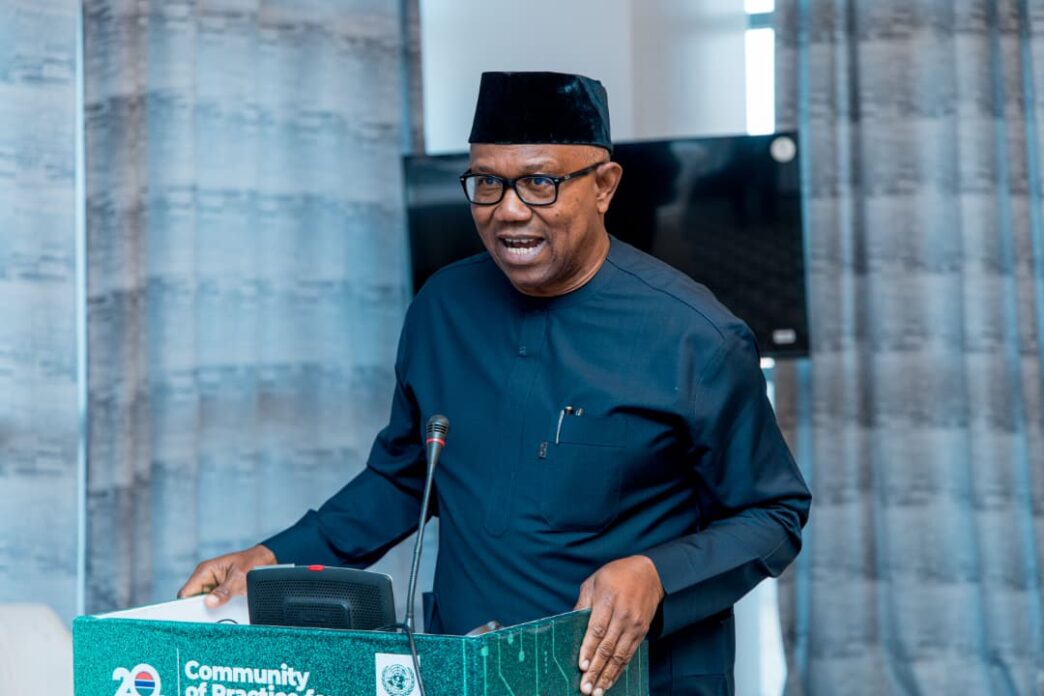
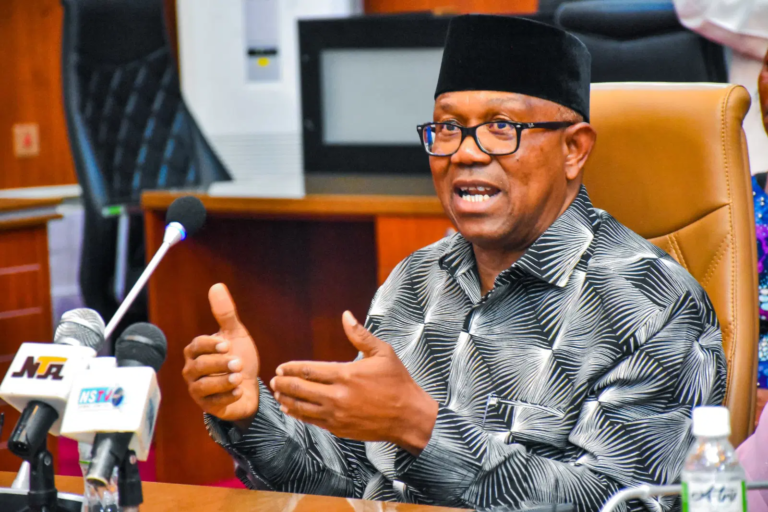
Presidential spokesman Bayo Onanuga has described Peter Obi’s recent television interview as a failed attempt to revive his 2027 presidential ambition, accusing the Nigeria Democratic Congress (NDC) presidential candidate of making misleading claims about his political career and the 2023 election.
In a post on X (formerly Twitter) on Monday, Onanuga said he stopped watching Obi’s appearance on Channels Television’s Sunday Politics after about 30 minutes, arguing that the interview had backfired.
Having watched Peter Obi’s interview on Channels TV on Sunday for about 30 minutes, I wasted no time tuning off. If the political nomad thought the interview would re-energise his ebbing 2027 presidential ambition, it turned out to be a PR disaster, judging from the spate of… pic.twitter.com/8fKPqIVza0
Read More : INEC Restates Commitment To Fair Elections
— Bayo Onanuga, OON, CON (@aonanuga1956) July 27, 2026
He said Obi appeared to have hoped the programme would reignite his political ambition but instead attracted criticism over what he described as inaccurate statements.
“Having watched Peter Obi’s interview on Channels TV on Sunday for about 30 minutes, I wasted no time tuning off,” Onanuga wrote.
“If the political nomad thought the interview would re-energise his ebbing 2027 presidential ambition, it turned out to be a PR disaster, judging from the spate of reactions to the many lies he referenced.”
Onanuga challenged Obi’s claim that his political journey was similar to that of President Bola Tinubu, insisting the president had remained on a consistent ideological path throughout his career.
According to him, Tinubu began his political career in the Social Democratic Party, served as a senator, opposed military rule following the annulment of the June 12, 1993 election, went into exile during the military era and later returned to become Lagos State governor on the platform of the Alliance for Democracy.
“Since he joined party politics in 1991/92, Tinubu has stayed the progressive path all the way,” he said.
“He started with the Social Democratic Party and won an election to the Senate on the party’s platform, polling the highest vote ever by any candidate in the country.”
Onanuga added that when the June 12, 1993, election was annulled, Tinubu joined the struggle to actualise the mandate.
“He didn’t collaborate with the military; he defied the junta, reconvened the National Assembly, joined the protests, went to detention, and when the country became too dangerous, he opted for exile, along with his family, where he continued the struggle against military dictatorship.”
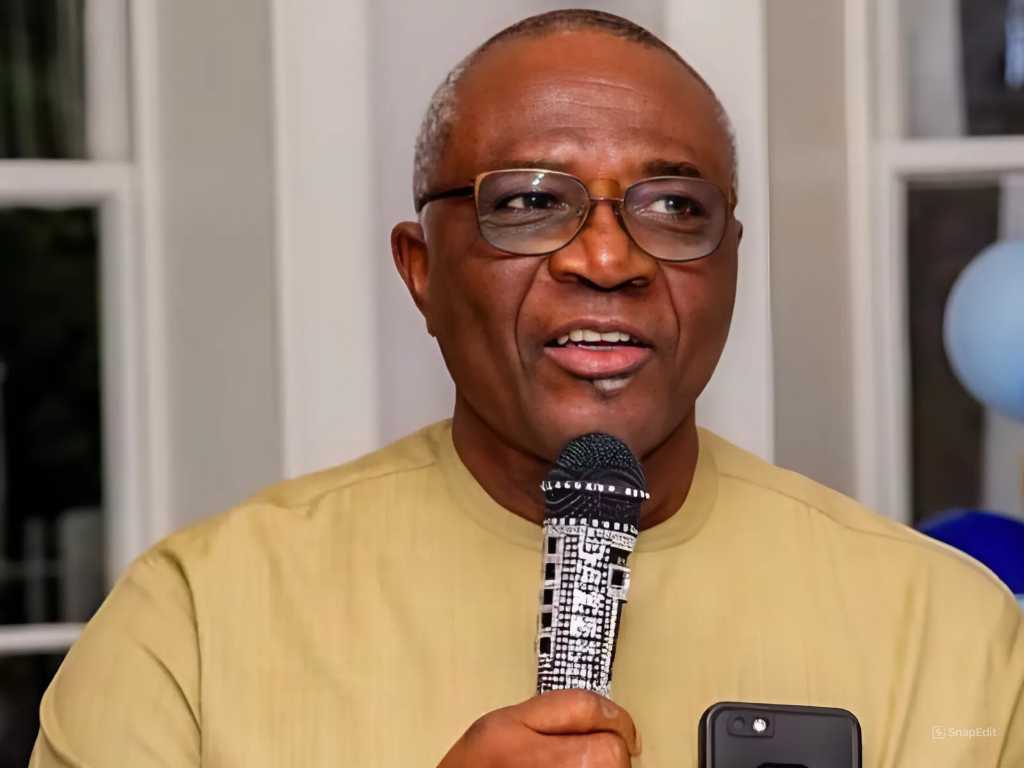
“When Tinubu returned from exile in 1998, he joined the Alliance for Democracy and was elected the governor of Lagos in 1999. The AD, which Obasanjo wanted to decapitate, went into a factional crisis.
“Tinubu still won his 2003 election, his second term, with the INEC-recognised faction,” he added.
Onanuga said while the AD was still in crisis, Tinubu founded the Action Congress (AC), taking many AD members to the new party, including Babatunde Fashola, Kayode Fayemi and Rauf Aregbesola, who later contested the 2007 elections on party’ platform.
According to him, the AC became Action Congress of Nigeria (ACN) for the 2011 election before later metamorphosing into the All Progressives Congress (APC) in 2013 after the merger with Congress for Progressive Change (CPC), New Nigeria Peoples Party, a faction of All Progressives Grand Alliance (APGA), and the new Peoples Democratic Party (nPDP).
In contrast, Onanuga accused Obi of repeatedly switching political parties, saying he moved from the All Progressives Grand Alliance to the Peoples Democratic Party (PDP), later joined the Labour Party ahead of the 2023 election and eventually aligned with the NDC after abandoning the Labour Party during its leadership crisis.
“He didn’t jump to the PDP in 2003, after he remained the last man standing, with fellow AD governors swept out of office by President Olusegun Obasanjo’s brazen rigging machine. Instead, he built a new party from the bottom up, which has grown like an oak tree from an acorn,” he said
He alleged that Obi had consistently left parties rather than helping to rebuild them, adding that the NDC leader could also leave his current party if it no longer served his political interests.
“The Labour Party fell into a serious leadership crisis after the election, with campaign funds in your possession not fully accounted for. Instead of waiting to solve the crisis and rebuild it into a formidable group like a good leader would do, you again chickened out,” he said.
Read More : “Tinubu Hale And Hearty” – Onanuga
“It is not in doubt that if the NDC fails to deliver what you want, you are not far away from the exit door. You would shamelessly migrate to yet another party. You do not build; you always want to reap where you did not sow, ” he added.
Onanuga also criticised Obi’s continued insistence that he won the 2023 presidential election, despite the Supreme Court’s dismissal of his petition. He said Obi finished third in the election and should accept the outcome instead of maintaining what he described as a false claim of victory.
The presidential aide argued that Obi’s electoral performance was largely driven by support from his ethnic base and urged him to move on from the 2023 contest.