Trending

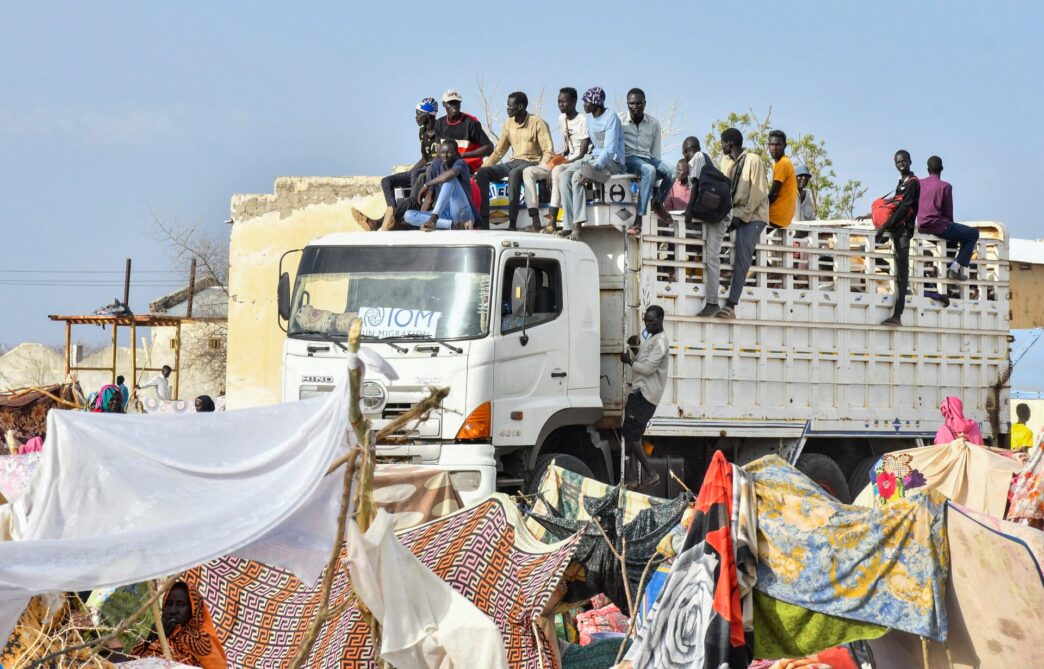
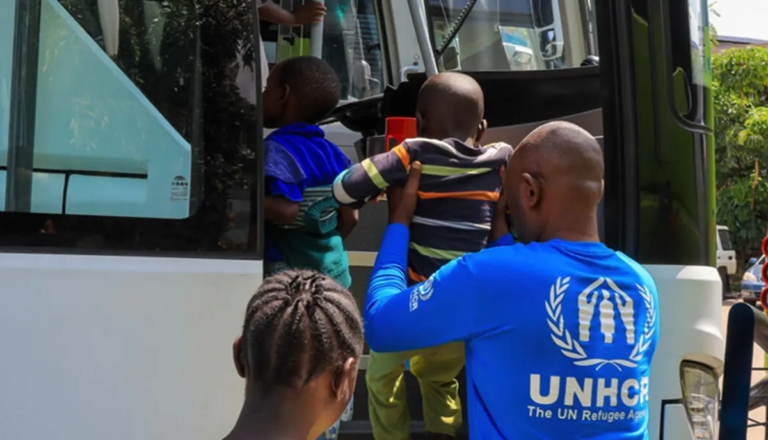
The United Nations (UN) warned Tuesday that artificial intelligence is accelerating the spread of misinformation and hate speech, inciting real-world harm against refugees and aid workers.
Speaking at the AI for Good Global Summit in Geneva, UNHCR officials revealed that deepfake videos and hostile online narratives are triggering protests, fuelling physical violence, and complicating humanitarian operations.
The refugee agency urged global tech giants and AI developers to collaborate with humanitarian organisations to turn the tide against these dangerous information crises.
Read More : UN Refugee Agency Warns Of Funding Crisis
Generative AI compounds these risks at an unprecedented scale, allowing human traffickers to exploit digital platforms with false promises of safety and employment.
This digital manipulation threatens social cohesion, limits access to jobs and education, and actively drives forced displacement.
To counter this threat, UNHCR is demanding that tech companies invest in content moderation tools that function effectively within conflict zones and support less common languages.
Read More : Argentina Challenges UK Over Falklands Drilling
Despite these severe challenges, the UN stresses that proper management can turn AI into a valuable tool for managing humanitarian crises.
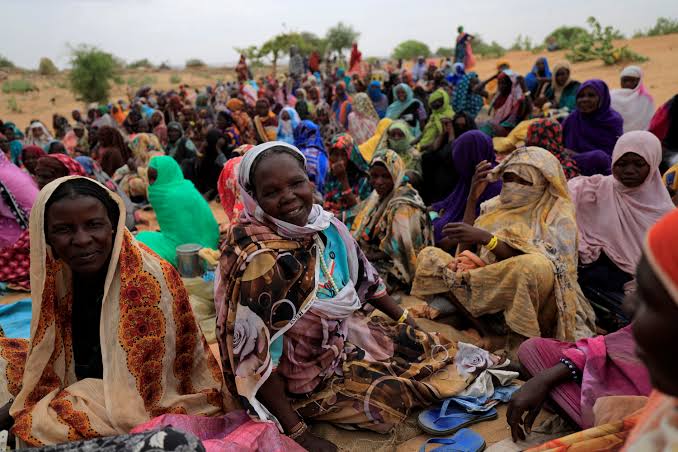
Trusted data remains vital for protecting the world’s 117.8 million forcibly displaced people, two-thirds of whom flee conflict in Venezuela, Ukraine, Syria, Afghanistan, and Sudan.
The international community must raise AI standards and broaden collaborations to protect vulnerable groups from potentially lethal digital manipulation.