Trending

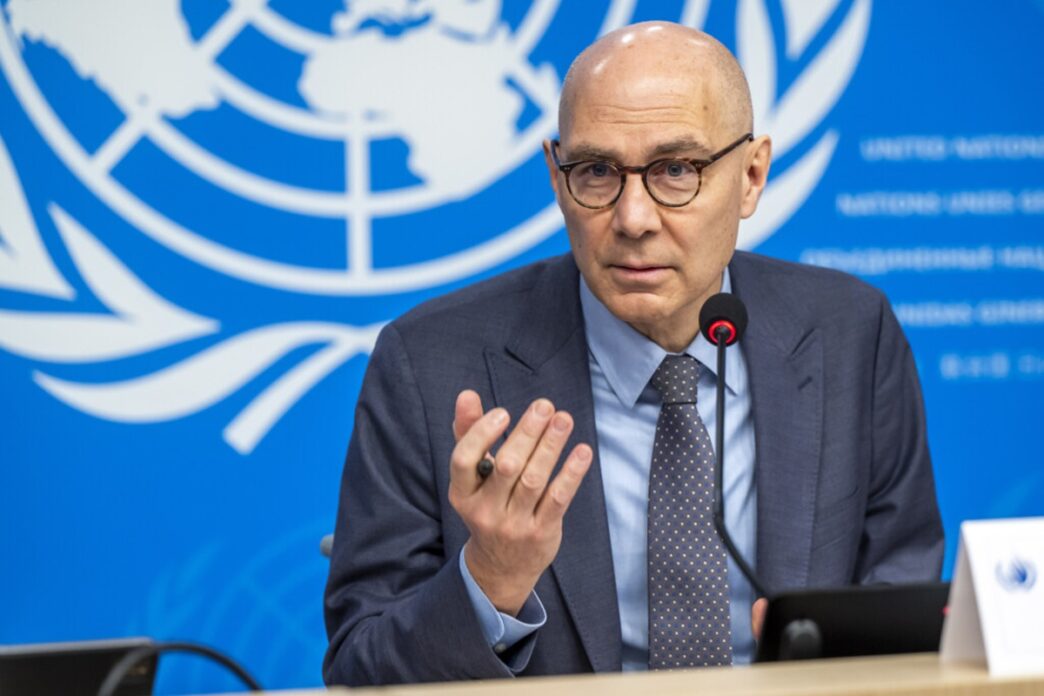
United Nations High Commissioner for Human Rights Volker Turk has issued what he described as a “red alert” over the worsening humanitarian situation in Sudan’s city of El-Obeid, warning that an imminent assault by the Rapid Support Forces (RSF) could trigger another major disaster.
Speaking during an urgent session of the UN Human Rights Council on Friday, Turk urged world leaders to take immediate steps to prevent further violence against civilians.
He warned that the situation in El-Obeid showed unmistakable signs of a looming human rights disaster, noting that residents had endured siege-like conditions for the past 18 months while fighting between the Sudanese Armed Forces and the RSF continued.
Read More : US Urges Restraint Over Ethiopia Tigray Crisis
Turk said relentless drone attacks had devastated the city and stressed that governments worldwide should treat the crisis as an urgent priority requiring immediate diplomatic engagement.
“The signs from El-Obeid are clear and unmistakable: another human rights catastrophe is unfolding in Sudan,” he warned.
“Civilians have been subjected to siege-like conditions for 18 months, battered by relentless drone strikes as the Sudanese Armed Forces and the Rapid Support Forces (RSF) battle for control.
“This is not a drill. It is a red alert that needs to land on the desks of heads of state and government around the world.
“Their phones should be running hot in the coming days, “Turk added.
The Human Rights Council convened the rare emergency debate following a request by the United Kingdom on behalf of a group of countries over reports of a possible RSF offensive.
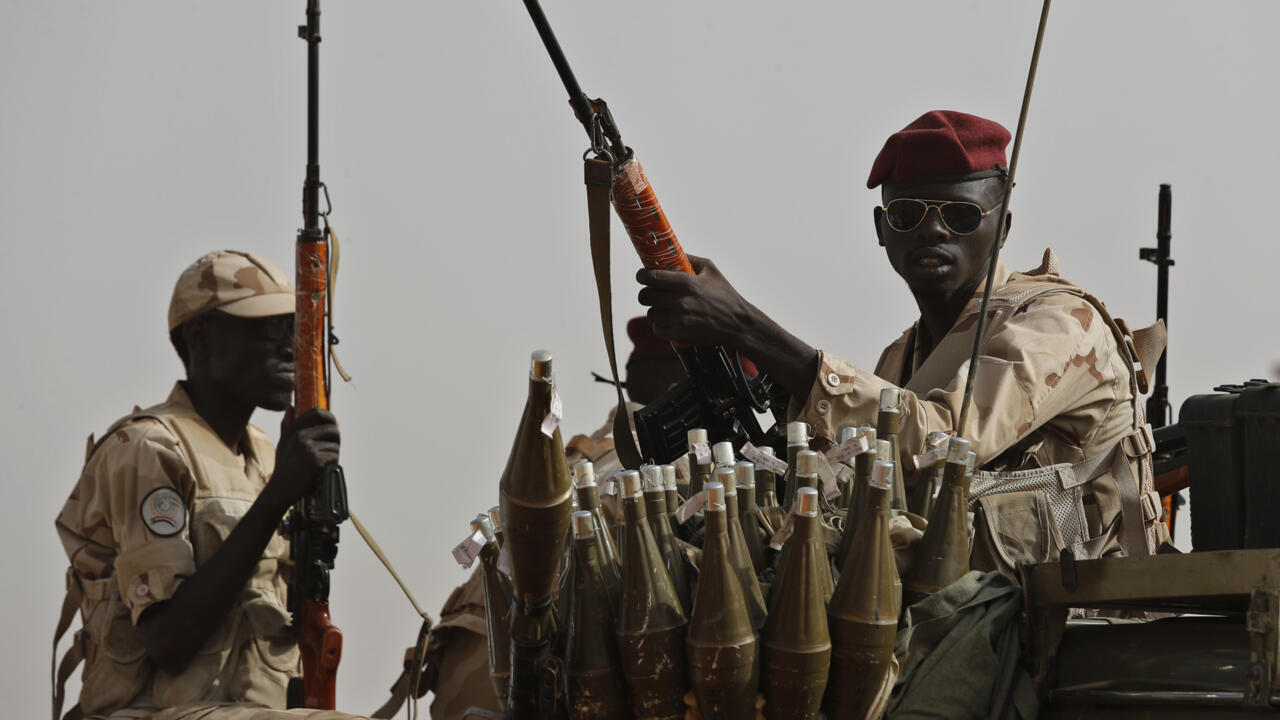
Sudan’s conflict began in April 2023 between the national army and the RSF.
The Kordofan region remains strategically important because of its oil resources and the presence of powerful RSF allies.
El-Obeid, the capital of North Kordofan State, lies along a key supply route linking RSF-controlled territories in Darfur with areas held by the army in eastern Sudan.
The city, home to around half a million residents and nearly 100,000 people displaced by the conflict, has faced some of its heaviest attacks in recent weeks.
Authorities say repeated drone strikes have targeted vital infrastructure, including the main power station and fuel depots, leaving large parts of the city without electricity and disrupting water supplies.
Turk warned that the international community risked witnessing a repeat of the atrocities committed during the RSF offensive on El-Fasher in North Darfur, where the UN says thousands of people were killed.
A UN fact-finding mission previously concluded that the siege and capture of El-Fasher bore the characteristics of genocide.
The rights chief said leaders of the warring parties carried primary responsibility for the suffering inflicted over the past three years but also criticised foreign actors whom he accused of profiting from the conflict.
Britain, Germany, Ireland, the Netherlands and Norway have tabled a draft resolution before the 47-member Human Rights Council which will be decided upon on Monday.
Addressing the council, Britain’s representative, Eleanor Sanders, warned that the city was on the brink of another humanitarian catastrophe, urging urgent international action to protect civilians.
Also speaking from Port Sudan, International Organization for Migration mission chief Mohamed Refaat said civilians were increasingly becoming deliberate targets of the conflict.
Read More : North Korea Launches Missile Using AI
He warned that failure to intervene could result in another mass displacement similar to El-Fasher, potentially forcing more than half a million people from their homes.
“If we don’t act now to stop what is happening in El-Obeid, we will see another El-Fasher. We will see another displacement of maybe 500,000 or more,” Refaat said.
Refaat added that humanitarian agencies no longer had sufficient resources to respond to another crisis of that scale, saying existing support systems had already been severely overstretched.