Trending
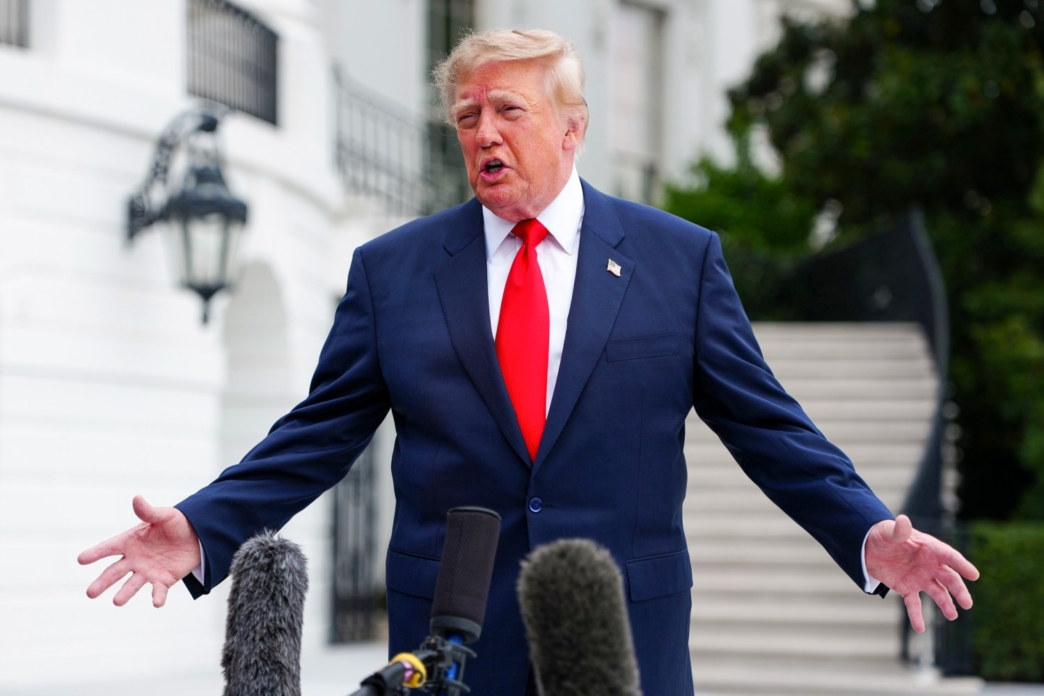
The United States budget deficit rose to nearly $2 trillion in the 2026 fiscal year, reaching its highest level since 2021 despite President Donald Trump’s pledges to cut government spending.
The deficit increased amid concerns over the country’s $40.3 trillion debt burden, rising borrowing costs and inflation, according to data released by the US Treasury Department on Friday.
The federal budget deficit, which occurs when government spending exceeds revenue, reached $1.99 trillion in the fiscal year that ended on September 30, marking a 12 per cent increase from the $1.78 trillion recorded in the previous year.
Read More : Macron Urges Calm Before Cost-Of-Living Protests
One of the major drivers of spending was the rising cost of servicing public debt. Interest payments increased by $144 billion to a record $1.36 trillion.
Interest costs on approximately $32 trillion in publicly held US debt have risen in recent years, while higher bond yields have added to concerns about the government’s borrowing costs.

Credit: Reuters.
Tariff refunds widen budget gap
The reversal of some of Trump’s tariffs also contributed to the deficit after the US Supreme Court struck down his global duties in February, triggering refunds to importers.
Treasury data showed that customs refunds totalled $145 billion during the fiscal year, primarily because of tariffs, offsetting a significant portion of the revenue generated by the duties.
Overall, government revenue rose by three per cent to $5.40 trillion in the 2026 fiscal year.
However, expenditure increased by six per cent to $7.40 trillion, leaving the government with a deficit of nearly $2 trillion.
The figures showed that higher tax collections from individuals and customs revenue were offset by increased refunds and lower corporate tax receipts.
The widening deficit comes as US voters face rising borrowing costs, with Treasury bond yields influencing interest rates on mortgages, vehicle loans and other forms of credit.
Iran war poses further risk
Nancy Vanden Houten of Oxford Economics said the deficit was likely to remain at a similar level in the next fiscal year.
However, she warned that prolonged conflict involving Iran could worsen the government’s financial position.
“The risk may be for a larger budget gap if the war with Iran persists well into the fiscal year,” she said.
Since returning to the White House in 2025, Trump has pledged to reduce government spending and narrow the deficit.
His administration has cut the federal workforce and foreign aid, while the Republican-controlled Congress approved reductions to the Medicaid health insurance programme and moved to scale back federal food assistance.
However, lawmakers also extended expiring tax cuts and approved additional funding for Trump’s immigration enforcement and deportation drive.
Spending on military programmes also increased by $48 billion, or six per cent, to $917 billion during the fiscal year.
A Treasury official estimated that the deficit represented about 6.2 per cent of gross domestic product, up from 5.8 per cent in the previous year.
The figure remains above Treasury Secretary Scott Bessent’s previously stated goal of reducing the deficit to three per cent of GDP while promoting economic growth of three per cent.
Election promises could increase spending
The latest figures were released less than three weeks before the US midterm elections, in which Republicans are seeking to retain control of Congress.
Both Republicans and Democrats have proposed measures that could increase the deficit further.
Trump recently promised to give $5,000 to every American adult if Republicans retained control of Congress, a proposal estimated to cost more than $1 trillion.
Democrats, meanwhile, have said they want to reverse Medicaid cuts and restore tax breaks for healthcare.
The competing proposals could add to pressure on the US government as it grapples with rising debt-servicing costs and efforts to reduce the budget shortfall.