Trending
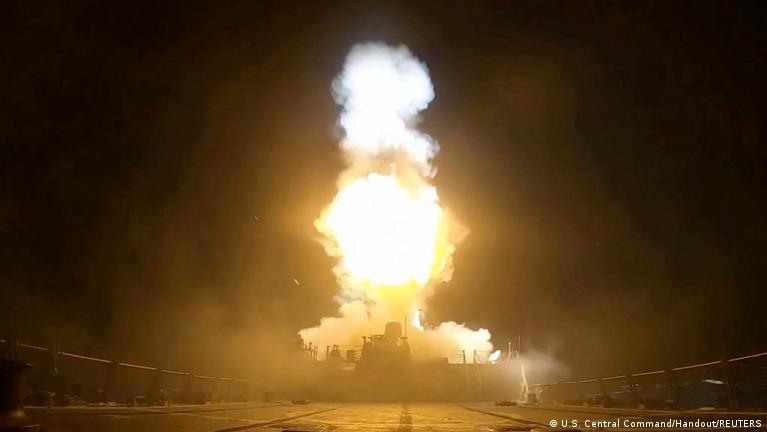
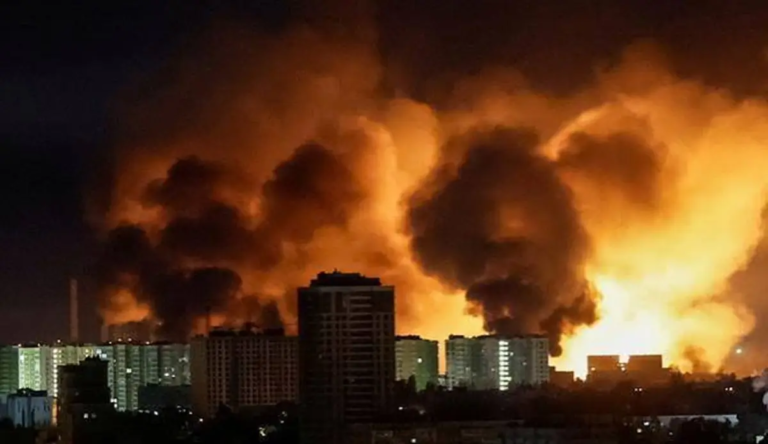
Violence has erupted across the Middle East as the United States launches another wave of strikes on Iran, while Kuwait and Bahrain have reported drone and missile threats.
The latest attacks came early Monday as tensions between Washington and Tehran continued to rise after a proposed deal to end the conflict collapsed.
The US Central Command (CENTCOM) said late Sunday that it had started another round of strikes on Iran, marking the ninth consecutive night of attacks.
Read More : UN Refugee Agency Warns Of Funding Crisis
According to CENTCOM, the strikes were targeted at weakening Iranian military capabilities used to target commercial ships and civilian sailors in the strategic Strait of Hormuz.
The waterway is a key route for global energy supplies, with about one-fifth of the world’s oil shipments passing through it before the war began.
Kuwait said its air defence systems had intercepted hostile drones following what it described as Iranian attacks.
“The General Staff of the Army notes that any explosions heard are a result of air defense systems intercepting the hostile attacks,” the Kuwait Army said in a statement posted on X.
Bahrain’s Interior Ministry also said its air raid sirens were activated and advised residents to move to the nearest safe location.
Meanwhile, Iran’s Revolutionary Guards said they had carried out a “surprise attack” on an enemy command centre in Syria.
Iranian state media reported that the strike targeted a special operations command centre in the Al-Tanf region of Syria, in response to the deaths of Iranian soldiers.
Iran had earlier said it targeted two US bases in Kuwait in retaliation for American strikes, which Tehran claimed hit transport and infrastructure sites, including an unfinished nuclear power plant.
Jordan also reported intercepting missiles on Sunday.
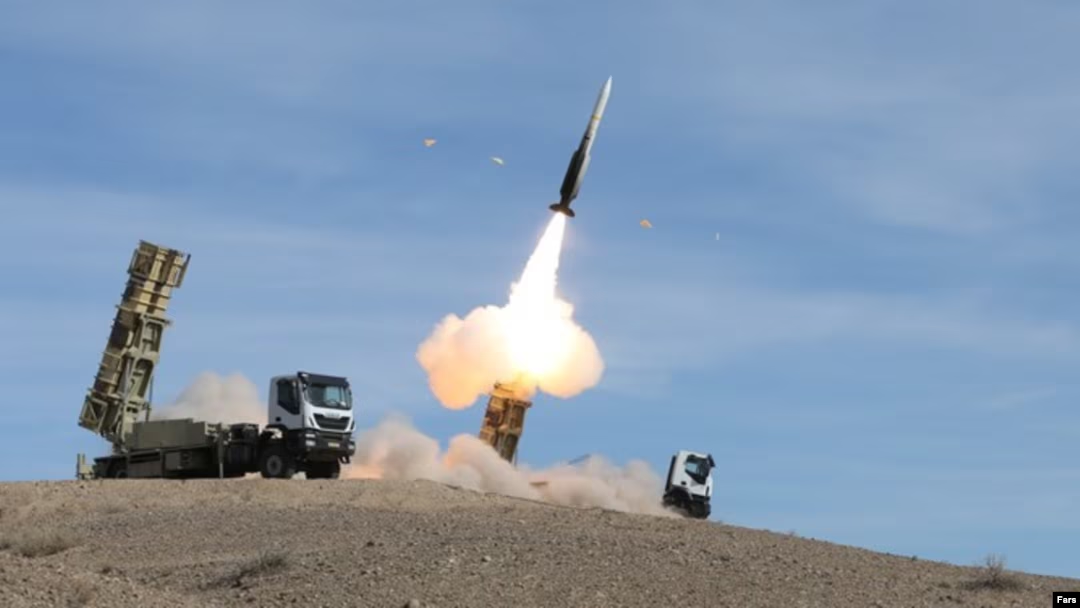
The renewed fighting followed a weekend in which the US announced the deaths of three military personnel and one service member missing in action.
CENTCOM said two American troops were killed during Iranian missile and drone attacks on Jordan on Friday, while another died in northern Iraq while handling unexploded material from a downed Iranian drone.
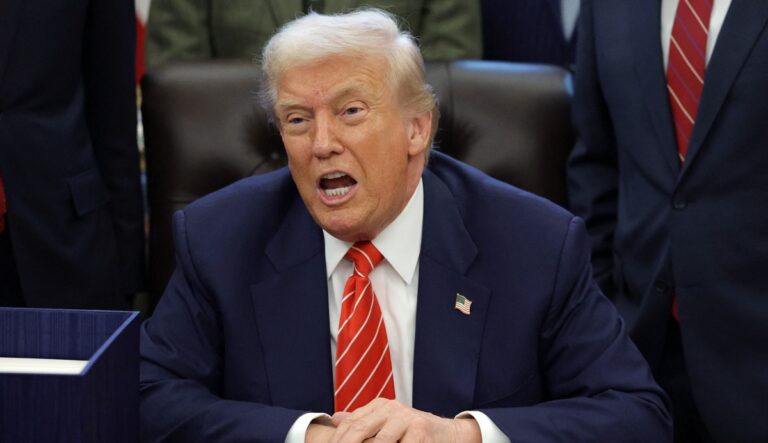
President Donald Trump said on Sunday that the latest US strikes on Iran had “hit them very hard again tonight”.
The deaths bring the number of confirmed US military fatalities since the war began on February 28 to 17.
Iran has reported a higher number of casualties, with its Health Ministry saying 50 people were killed and more than 500 others injured in recent fighting.
The conflict was triggered by Iranian attacks on ships in the Strait of Hormuz, after which Tehran restricted access to the key waterway.
The Revolutionary Guards said on Sunday that they stopped ships attempting to pass through the strait.
“Four violating ships, with the mischief and support of American terrorists… intended to disrupt and exit the Strait of Hormuz via an unsafe route,” the Guards said.
They added that two ships had accidents and were stopped, while two others abandoned their journey.
Efforts by mediators to restart peace talks have continued, but hopes for a settlement have weakened.
Iran’s central military commander, Ali Abdollahi, warned that further US attacks would receive a:
“decisive and devastating response.”
Read More : Argentina Challenges UK Over Falklands Drilling
Iran also accused the US of attacking the unfinished Darkhovin nuclear power plant in southwest Iran, describing it as an illegal act.
The International Atomic Energy Agency (IAEA) said it was investigating the claim and noted that the facility had contained no nuclear material during its last inspection.
IAEA Director Rafael Grossi repeated calls for military restraint around all nuclear-related sites.