Trending
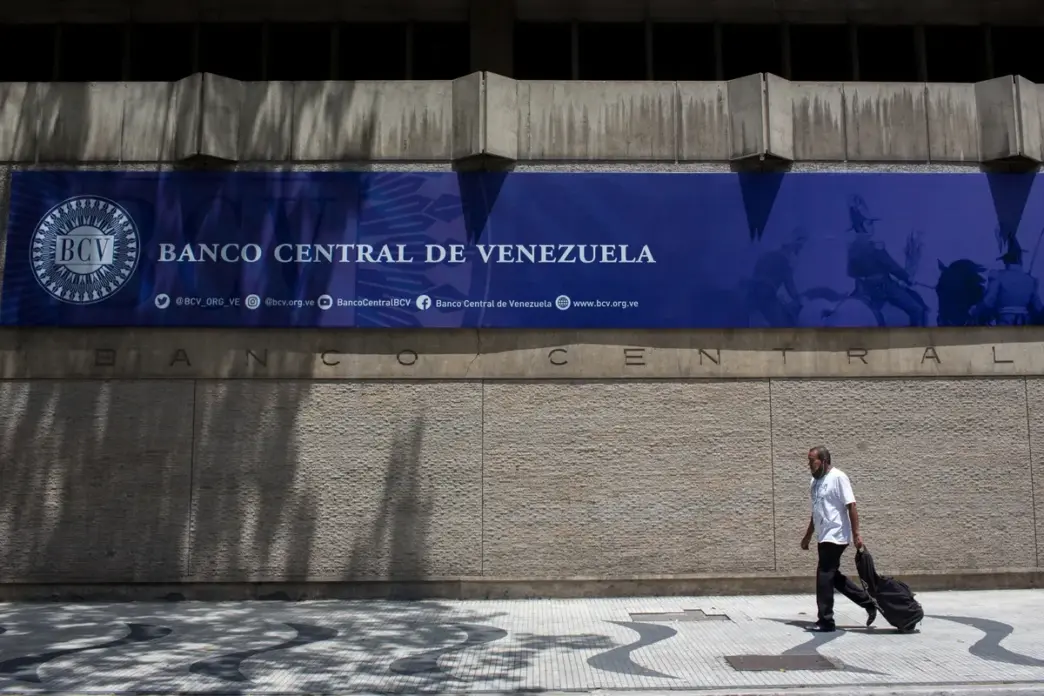
The United States has taken another step towards recalibrating its relationship with Venezuela, easing sanctions on the country’s central bank and key financial institutions in a move that signals deepening economic engagement.
The decision, announced by the US Treasury Department, authorises limited commercial transactions with Venezuela’s central bank and state-linked institutions, including Banco del Tesoro and Banco Digital de los Trabajadores.
Under the new licence, Venezuelan banks can now carry out previously restricted financial operations such as wire transfers, debit and credit card services, and other cross-border transactions. These activities had been severely constrained for years under a sweeping sanctions regime first imposed in 2019, which isolated Venezuela from much of the global financial system.
The policy shift comes within a broader geopolitical realignment following the removal of former leader Nicolás Maduro in a US-backed military operation in January 2026. His successor, Delcy Rodríguez, has since moved to cooperate with Washington, particularly by opening Venezuela’s oil and energy sectors to foreign investment.
Washington’s latest action follows an earlier decision to lift sanctions on Rodríguez herself, reinforcing what appears to be a coordinated strategy of gradual economic normalisation. US officials have framed these measures as part of a controlled easing rather than a full rollback, allowing engagement while maintaining leverage over Caracas.
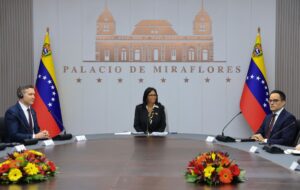
“This is part of a broader effort to stabilise Venezuela’s economy and reintroduce it into the global financial system,” analysts note, pointing to increased access to US currency and oil revenues as critical to addressing inflation and public sector wage pressures.
Beyond banking, the United States has also softened restrictions on Venezuela’s oil sector, issuing licences to select multinational firms and easing a long-standing embargo. Diplomatic ties have similarly improved, with the US embassy in Caracas reopening after seven years.
However, Rodríguez has indicated that the current measures fall short. She has publicly called for a full lifting of sanctions, arguing that partial relief does not provide the legal certainty required to attract sustained foreign investment.
The evolving US–Venezuela relationship now hinges on whether these incremental steps can translate into long-term economic recovery and political stability in a country still navigating a fragile post-transition phase.