Trending
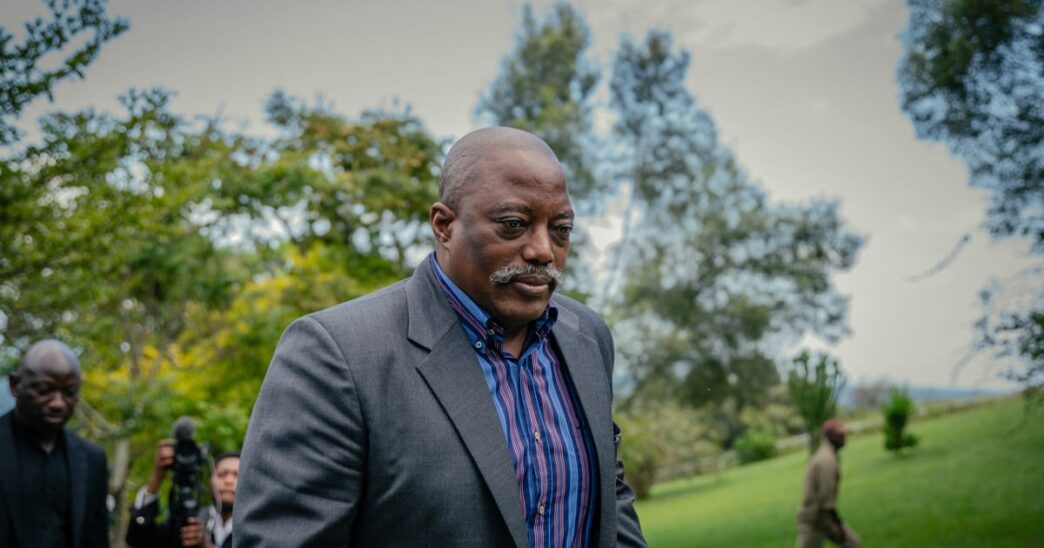
In a significant escalation of its efforts to address ongoing instability in the Democratic Republic of Congo (DRC), the United States on Thursday announced sanctions on Joseph Kabila, the former long-serving president of the DRC.
The US Treasury Department cited Kabila’s alleged support for Rwandan-linked rebels, particularly the M23 group, which has seized significant territory in eastern DRC.
Treasury Secretary Scott Bessent emphasised that the sanctions were in response to Kabila’s continued involvement in destabilising the region.
“President Trump is paving the way for peace in the Democratic Republic of Congo, and he has been clear that those who continue to sow instability will be held accountable,” Bessent said, reaffirming the United States’ commitment to supporting the integrity of the Washington Accords, a peace agreement initially brokered by the US in December.
Kabila, who assumed power in 2001 after the assassination of his father, Laurent Kabila, ruled the DRC until 2019. Despite stepping down, he maintains substantial business interests within the country and is suspected of financially backing the political arm of the M23 rebels.
This ongoing support, the US claims, undermines peace efforts and fuels further violence. The Treasury Department alleged that Kabila had returned to Goma with the intent to destabilise the region and even tried to persuade the DRC armed forces to defect.
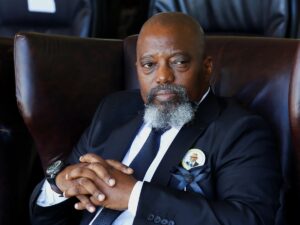
Kabila has been living in exile since 2019 but reappeared last year in Goma, a city currently under the control of M23 fighters. His re-entry has sparked controversy, especially after a military court sentenced him to death in absentia for treason due to his involvement with the rebel group. These developments mark a dramatic shift in the political landscape of the DRC, which has been embroiled in conflict for decades.
While Rwanda denies supporting the M23, tensions between the DRC and Rwanda continue to rise, especially after Rwanda’s calls for stronger action against Hutu extremists believed to be responsible for the 1994 Rwandan genocide. Kabila’s former ally, President Felix Tshisekedi, has faced growing criticism of his leadership, with Kabila himself suggesting that DRC governance is at the root of the conflict.
Read More : Surging Ebola Outbreak Overwhelms Congo
Kabila’s relationship with the United States, once warm, soured due to his human rights record and his controversial efforts to extend his rule beyond constitutional limits. Additionally, his alignment with China in opening mines in the DRC further strained ties.
The US sanctions prevent Kabila from accessing any assets in the country and make any financial transactions with him illegal.