Trending

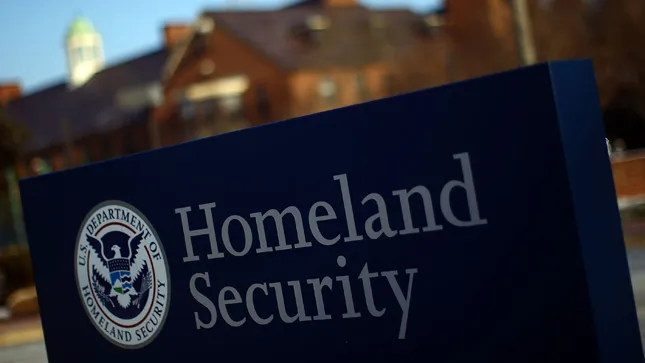
What exactly is homeland security? Is it different from national security? And why does Nigeria need someone to oversee it now? This article explains the concept, its origins, and its application to Nigeria’s security challenges.
Origin of the Term
“Homeland security” originated in the United States after the September 11, 2001, terrorist attacks.
Before 2001, no single US agency was responsible for protecting American territory from threats. Responsibilities were divided among immigration, border patrol, the Coast Guard, the FBI, and emergency management agencies. The attacks, which killed 2,977 people, exposed a lack of coordination.
In response, the then president, George W. Bush, proposed the creation of a Department of Homeland Security. The Homeland Security Act of 2002 merged 22 agencies into a single department. It began operating on March 1, 2003.
Today, the US Department of Homeland Security employs over 240,000 people and has an annual budget of approximately $60 billion. Its core mission is to prevent, protect against, and respond to threats on US soil.
Application to Nigeria
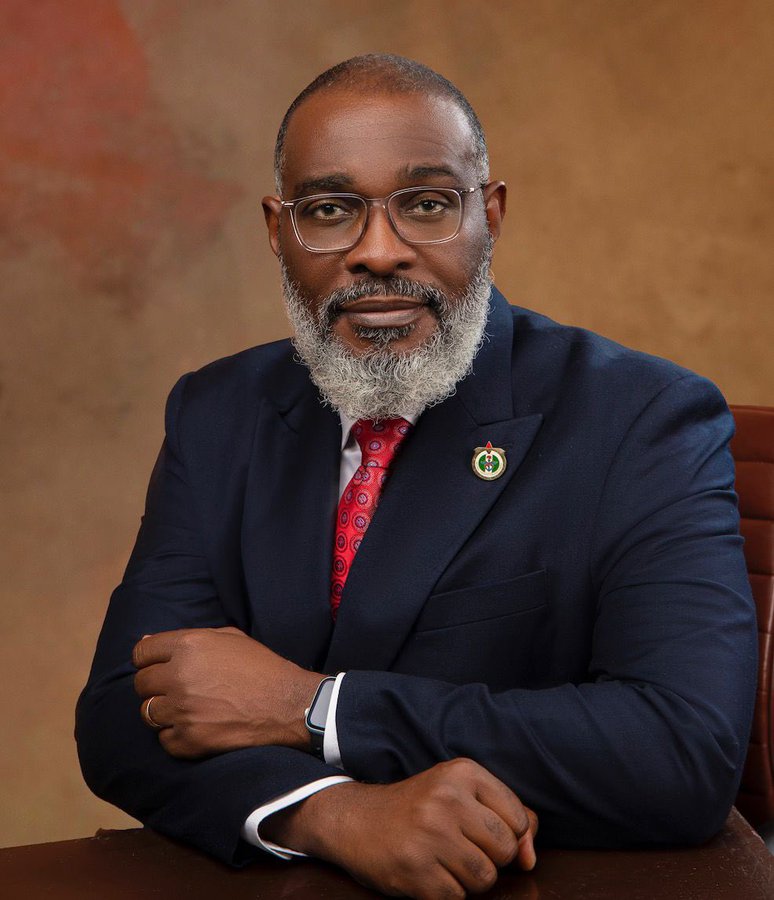
Nigeria is not creating a new department. However, the Tinubu administration has adopted the homeland security framework by creating a Special Adviser position.
According to the Office of the Secretary to the Government of the Federation, Famadewa ‘s role includes “strengthening internal security coordination, enhancing intelligence-driven operations, and deepening inter-agency collaboration.”
Why the Position Was Created
Nigeria faces multiple security challenges. According to data from the Armed Conflict Location and Event Data Project (ACLED), over 10,000 civilians were killed in bandit attacks and communal clashes in 2025 alone.
Boko Haram and Islamic State West Africa Province continue to operate in the northeast. Banditry and kidnapping are prevalent in the northwest. Separatist violence occurs in the southeast. Farmer-herder clashes have caused thousands of fatalities in the Middle Belt over the past decade.
The Adviser’s Background
Major General Adeyinka Famadewa (retd) served as Principal General Staff Officer to the National Security Adviser from 2015 to 2021. During that period, he helped establish the Intelligence Fusion Centre at the Office of the National Security Adviser.
The Intelligence Fusion Centre brought together the Defence Intelligence Agency, the National Intelligence Agency, the Department of State Services, the Nigeria Police Force, and the armed forces to improve threat assessment and response coordination.
After retiring, Famadewa served as a senior research fellow at the Nigerian Army Resource Centre. He authored a monograph titled “Policing and National Security in Nigeria.”
What the Adviser Will Do
Among others, the adviser’s responsibilities include the following:
-
Coordinating security efforts across federal agencies.
-
Enhancing intelligence sharing between the military, police, and intelligence services.
-
Advising the president on homeland security matters.
-
Developing strategies for border management and disaster response.
“President Tinubu expressed confidence that the appointment of Major General Famadewa(Rtd) will further enhance the administration’s efforts toward achieving a safer and more secure Nigeria through improved coordination of homeland security initiatives, intelligence integration, and proactive risk management,” the presidency said.
“He also urged him to deploy his wealth of experience, professionalism, and strategic insight in advancing national security objectives and supporting the administration’s Renewed Hope Agenda.”