


 Trending


The World Bank revealed in its International Debt Report 2026 that the Nigerian government owed China $5.67 billion in bilateral external debt by the end of 2025.
This figure represents approximately 85 per cent of the Nigerian government’s total $6.68 billion bilateral obligations to foreign governments.
China remains the nation’s largest bilateral creditor, significantly outpacing France, which holds $774 million of Nigeria’s debt, while other bilateral lenders account for the remaining $237 million.
Overall, Nigeria’s total external debt stock grew 6.6 per cent to $145.02 billion in 2025, up from $136.05 billion in 2024.
Public and publicly guaranteed obligations accounted for $62.4 billion of this total, with multilateral institutions holding the largest share at $31.37 billion and private creditors holding $24.35 billion.
Meanwhile, borrowing costs varied sharply across lender types: Nigeria paid an average interest rate of 1.9 per cent on new commitments from official creditors, compared to 9.6 per cent from private creditors.
Read More : Nigeria Presides Over UN Elections
Highlighting the systemic risks of high borrowing costs for developing nations, World Bank Group Chief Statistician and Director of Development Data Haishan Fu warned, “The return of private lending to low- and middle-income countries is welcome, but these countries are borrowing more, paying more, and in many cases leaving less for long-term development. Managing debt responsibly means giving everyone, including future generations, a chance to thrive.”
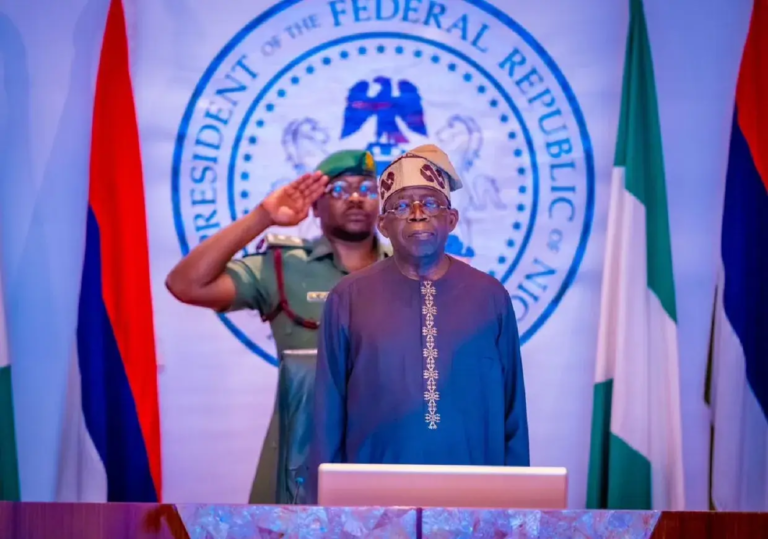
The surge in foreign debt coincides with President Bola Tinubu’s request for National Assembly approval to raise an additional $7.7 billion in foreign financing to help cover the 2026 budget deficit.
The proposed foreign borrowing forms part of a broader ₦29.2 trillion debt plan outlined in the 2026 Appropriation Act, which includes ₦18.4 trillion in domestic borrowing alongside the foreign component.