Trending
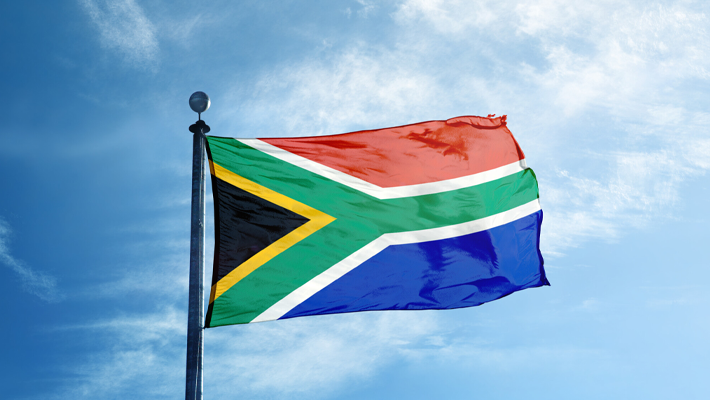
The South African Consulate General in Lagos has moved to reassure Nigerian travellers and investors, saying the country remains safe and welcoming following reports of cancelled travel plans due to concerns over xenophobic violence in the country.
The consulate said in a statement Monday that it had noted “with great concern reports of cancelled/revised travel plans/bookings by travellers from Nigeria following reports about recent protests and alleged incidents of violence involving foreign nationals in some parts of South Africa.”
South Africa “unequivocally condemn all acts of intimidation, violence, discrimination and unlawful conduct directed at anyone, including foreign nationals,” the statement read.
“Such acts do not, by any means, reflect the values of South Africa’s democracy, and stand in direct contrast to the spirit of Ubuntu,” it added.
President Cyril Ramaphosa, in a speech delivered on Sunday, emphasised that “South Africa is a country shaped by migration and remains open to visitors who comply with its legal and immigration frameworks.”
“Migration, when properly managed and lawful, contributes positively to economic growth, regional cooperation and cultural exchange,” Ramaphosa said.
The consulate made clear that acts of violence, xenophobia and lawlessness did not reflect government policy or the will of the people of South Africa, and “as such, will not be tolerated.”
“While issues related to illegal immigration remain a legitimate matter of public concern, Government reiterates that these challenges must be addressed through lawful state processes and institutions, and not by civilians,” the statement read.
“No individual or group has the authority to take the law into their own hands,” it added.
The consulate noted that tourism remained a key driver of inclusive economic growth and job creation, with Nigeria remaining one of South Africa’s largest tourism source markets in Africa, “underpinned by deep historical, cultural and economic ties.”
“Law enforcement agencies continue to actively monitor the situation, while Government engages communities to promote stability, safety and social cohesion,” the statement read.
The consulate said it wished “to reassure all travellers, stakeholders and investors that South Africa remains a safe and welcoming destination.”
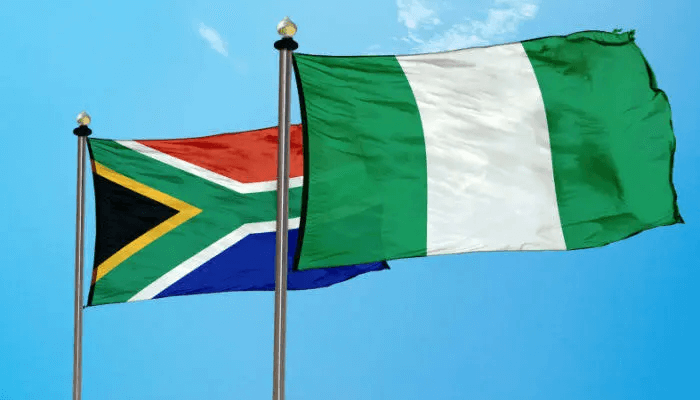
The consulate’s reassurance comes in the face of a surge of anti-immigrant protests and violence that has swept across South Africa in recent weeks.
Anti-immigrant groups, including the “March and March” movement, have organised protests in major cities, including Johannesburg, Pretoria and Durban, demanding that undocumented foreign nationals leave the country by a self-imposed June 30 deadline.
Several African governments have begun repatriating their citizens over safety concerns. Nigeria has evacuated an initial batch of 268 nationals, with more than 1,000 nationals registered to return. Ghana, Malawi, Zimbabwe and Mozambique have also initiated repatriation programmes.
Malawi said it was bringing hundreds of citizens home by bus from Durban, while more than 1,000 Malawians had gathered in the city awaiting repatriation.
Justice Minister Mmamoloko Kubayi warned last week that the violence was damaging South Africa’s global image and fuelling a backlash against South African businesses and artists across the continent.
She said many South African artists were seeing their continental performances cancelled, resulting in direct income losses.
Ramaphosa has urged South Africans not to scapegoat migrants, saying the country’s problems of unemployment and crime were “our own problems, and which we have a responsibility to fix ourselves”.
He warned against those attempting to destabilise the country and announced new measures to crack down on illegal immigration through legal channels.
World Health Organisation chief Tedros Adhanom Ghebreyesus condemned the violence on social media, calling it a “tragic betrayal” of African nations that supported South Africa during the struggle against apartheid.
He said five Ethiopians and five Mozambicans had been killed in the attacks, though the South African government disputed that account, saying the Ethiopian deaths were linked to organised crime rather than xenophobic violence.