Trending
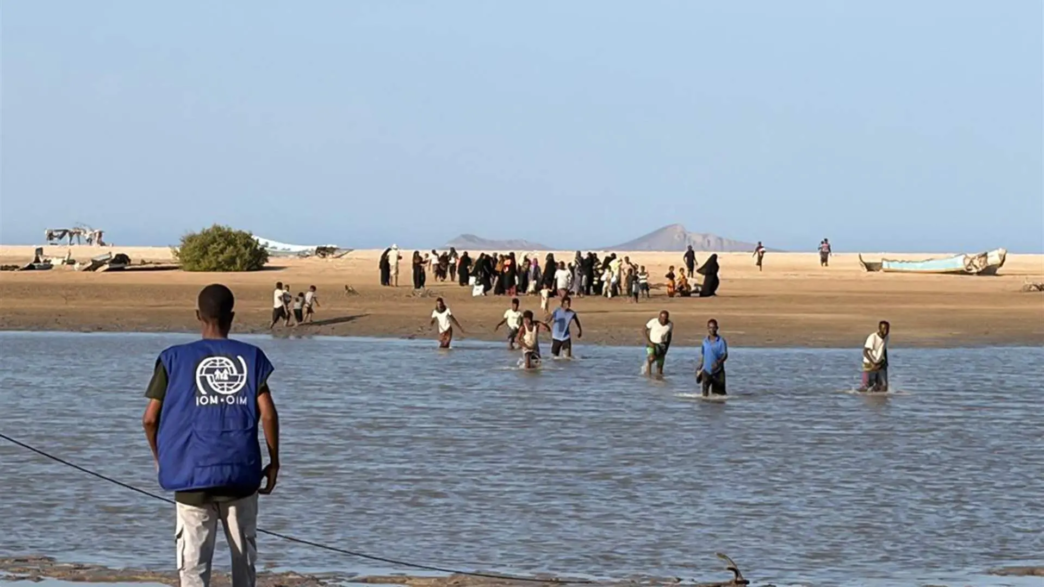
Fighting between Yemen’s government forces and Iran-backed Houthis has displaced more than 100,000 people, the United Nations (UN) has said on Tuesday.
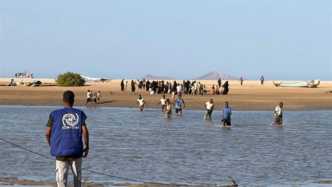
Thousands more have fled Yemen to neighbouring Djibouti for safety.
The displacement followed a week-long Houthi offensive that ended with the group capturing the remaining Yemeni Red Sea coast.
The offensive has also strengthened the Houthis’ control of the strategic Bab al-Mandab Strait.
The UN refugee agency, UNHCR, said the fighting had forced more than 100,000 people from their homes.
It also said thousands had crossed the sea to Djibouti to escape the violence.
More than 2,400 people have crossed from Yemen to Djibouti in the past four days alone, UNHCR said.

Women, children and elderly people made up more than 60 percent of those arrivals.
“People are arriving after a difficult sea journey, many exhausted, distressed and carrying what little they could take with them,” UNHCR representative in Djibouti Sandrine Desamours said in a statement.
She added that the humanitarian response was already under pressure.
“We urgently need more support before more families arrive,” Desamours said.
Meanwhile, families displaced inside Yemen have fled at short notice with few belongings.
UNHCR said they urgently need shelter, food, clean water, healthcare and protection services.
The agency also warned about the safety of more than 65,000 registered refugees and asylum-seekers living in Yemen.
Most of them are from Somalia and Ethiopia.
Humanitarian operations have also been affected by the worsening security situation.
UNHCR said insecurity, damaged roads, telecommunications disruptions and movement restrictions were limiting access to affected communities.
The escalation has also raised concerns about humanitarian and commercial shipping in the region.
The Bab al-Mandab Strait links the Red Sea with the Gulf of Aden and remains a key maritime route.
UNHCR warned that continued insecurity could disrupt shipping serving Yemen, Sudan and other humanitarian emergencies in the region.