Trending

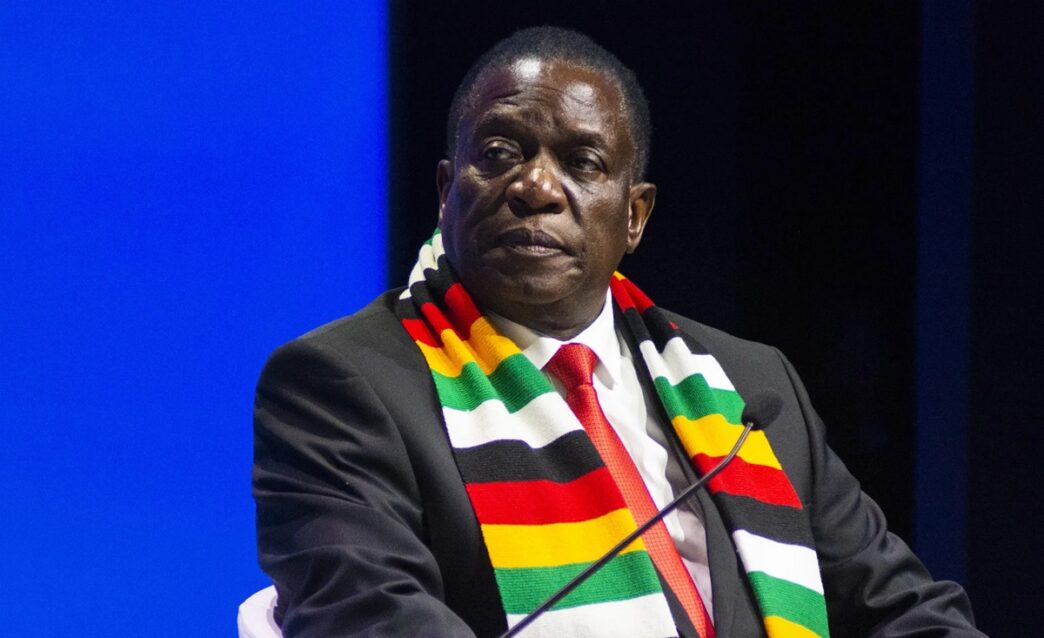
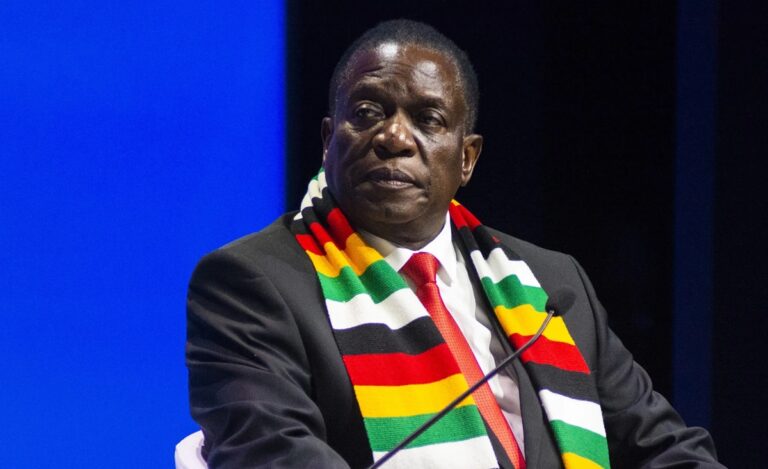
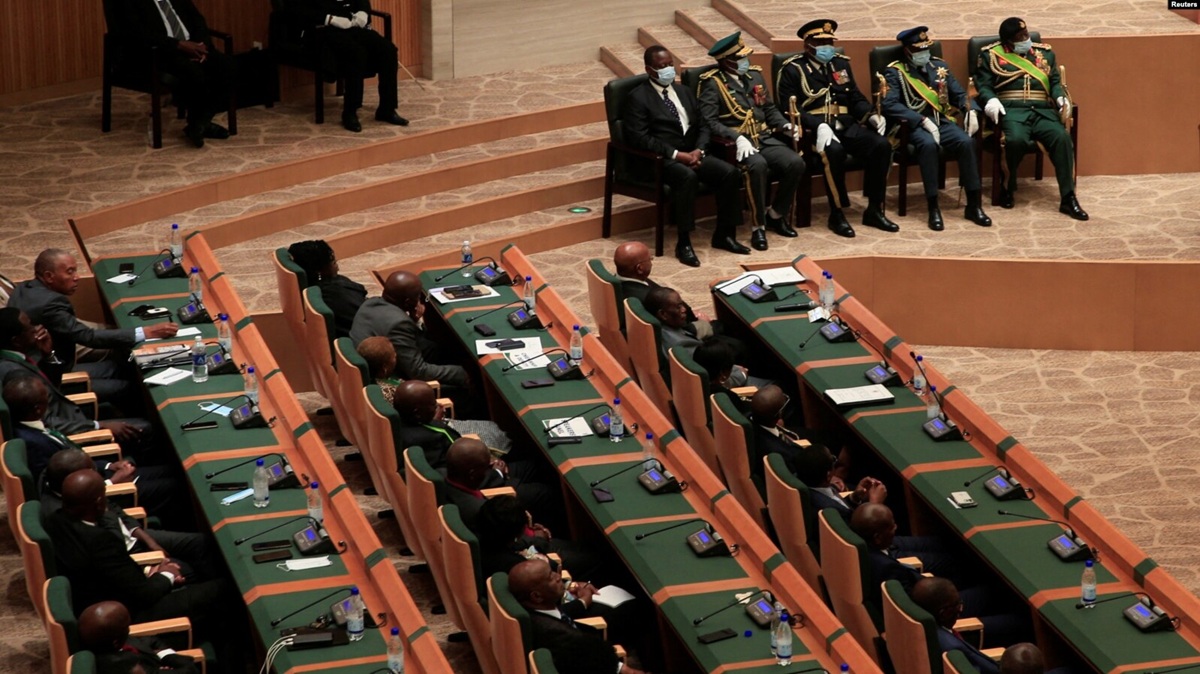
Zimbabwe’s Senate on Wednesday approved a constitutional amendment bill that would extend presidential terms from five to seven years, a move that could allow President Emmerson Mnangagwa to remain in office until 2030.
The legislation secured the backing of 75 senators, while four voted against it, surpassing the two-thirds majority required for passage.
The bill will become law once it receives presidential assent.
Read More : Uganda Suspends Military Cooperation With Turkey
In addition to extending presidential terms, the proposed amendment provides for future presidents to be elected by parliament rather than through a direct popular vote.
Calls for Mnangagwa, 83, to remain in office beyond the expiration of his second term in 2028 began gaining momentum about two years ago, when supporters of the ruling ZANU-PF argued that he needed more time to complete his agenda.
The party formally resolved last year to amend the constitution to lengthen presidential terms, a proposal that later received cabinet approval in February.
Mnangagwa assumed power in 2017 following a military intervention that removed longtime leader Robert Mugabe, who had governed the country since independence in 1980.
The proposed changes have drawn criticism from opponents, who argue they are designed to prolong Mnangagwa’s stay in power.
Supporters, however, maintain that the reforms would enhance political stability and strengthen accountability in government.