Trending

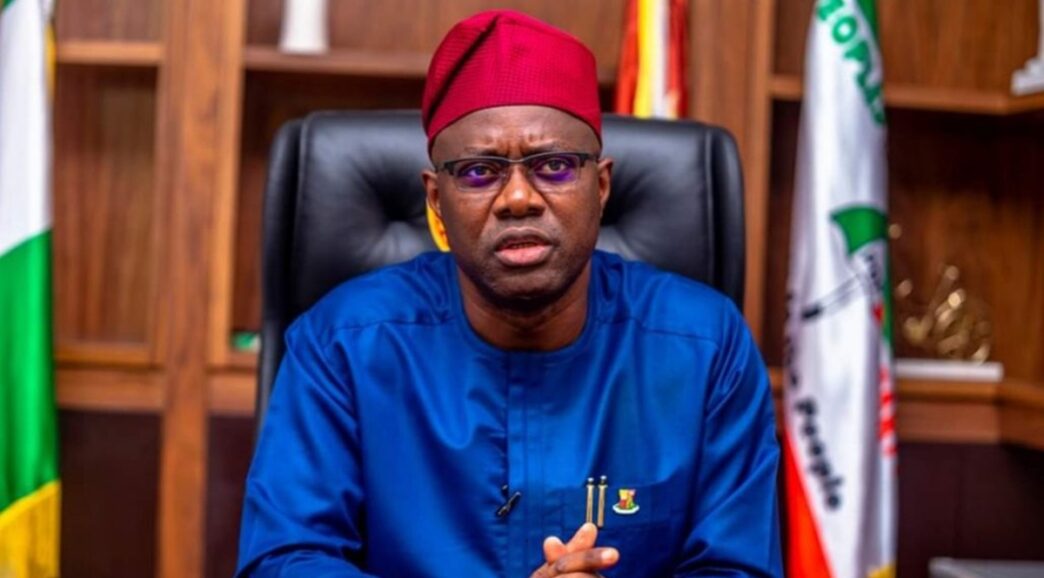
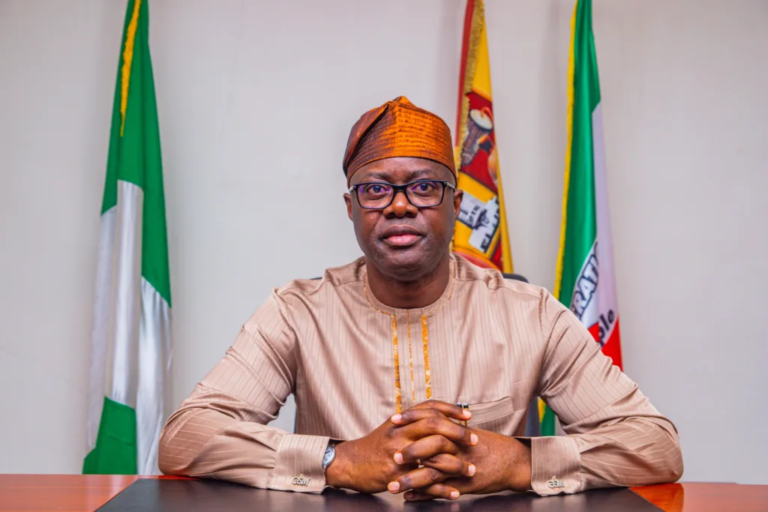
Oyo State Governor Seyi Makinde has confirmed that consultations are ongoing among opposition figures on a possible alliance to challenge the ruling All Progressives Congress (APC) in the 2027 presidential election.
Makinde said he was actively involved in the discussions and remained willing to work with the African Democratic Congress (ADC) Presidential Candidate, Atiku Abubakar and the Nigeria Democratic Congress (NDC) presidential candidate, Peter Obi, as opposition leaders consider the best political arrangement ahead of the election.
In an interview with ARISE News anchor Ojy Okpe on Friday, the governor dismissed the suggestion that he was merely considering an alliance, disclosing that discussions among political figures were already in progress.
Read More : Ogun: Court Orders INEC to Reinstate Adebutu
“We’re still discussing,” Makinde said.
He, however, declined to name his preferred candidate, saying the opposition should assess potential contenders based on their manifestos, records in public office and the preferences of voters rather than personal loyalties or emotions.
Makinde said the process should involve examining available evidence and weighing the different factors before reaching a decision on who should lead the opposition’s effort.
“To arrive at a decision, you need data,” he said.
“We just won’t say, ‘Oh, okay,’ take emotional decision and say, ‘Oh, it’s you.’ We have manifestos now, we have certain things in that manifesto.
“We will sit down, we have maybe historical performance. We also have the sentiment of the people. All of those things will come together and arrive at a decision.”
Drawing on his experience in the oil and gas industry, the governor explained that competing interests did not prevent organisations from working together when circumstances required cooperation.
He said political figures could similarly become rivals or partners depending on the outcome of ongoing consultations and the demands of the 2027 election.
“Depending on what we see between now and the election time, we may be rivals, we may be collaborators, we may be — one may be the client of the other,” he said.
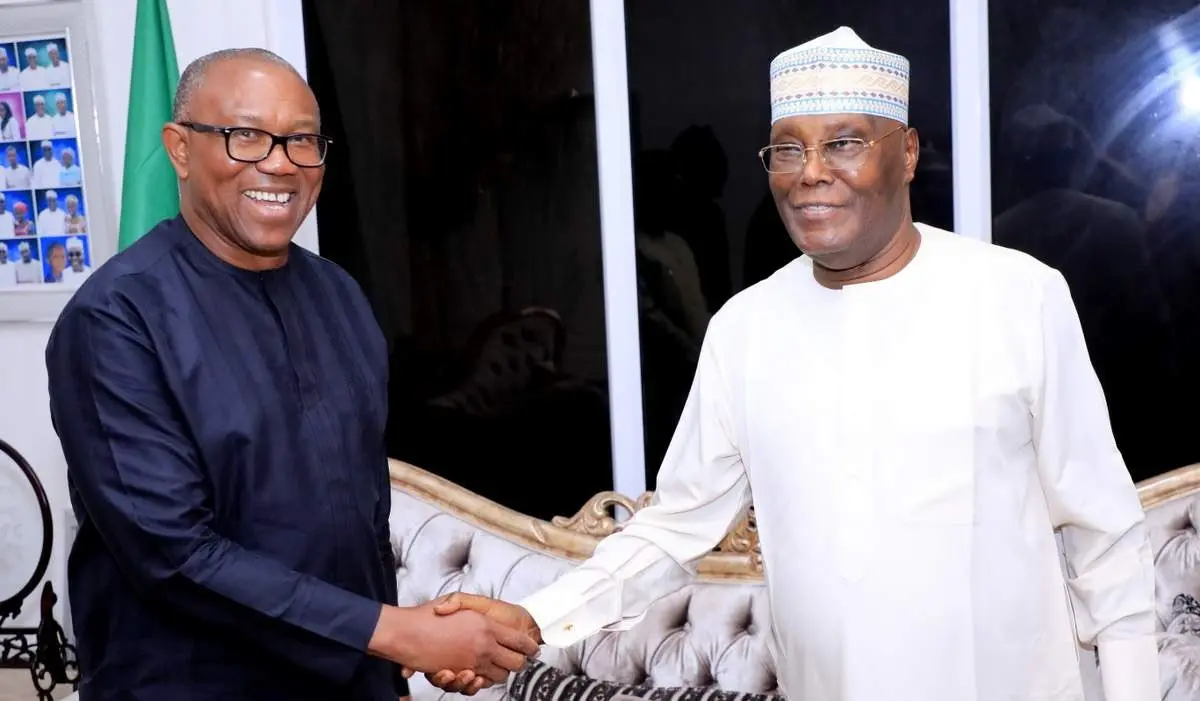
Asked whether he was prepared to work with other politicians as part of his campaign to reset Nigeria, Makinde said he was willing to do so.
When Okpe specifically asked if he would support Atiku should an assessment identify the former vice president as the strongest candidate for an opposition alliance, the governor answered in the affirmative.
He added that he was prepared to work with any Nigerian in pursuit of the country’s interests.
“Yes.”
“I’m willing to work with any Nigerian,” he added.
Makinde also referred to the 1999 presidential election, when Olu Falae attracted considerable support in the South-West but failed to translate his regional backing into a national victory. He cited the outcome as an illustration of the difficulties opposition politicians face when seeking to win a presidential election.
The governor said opposition leaders must first agree on the most effective strategy before pursuing an alliance.
“Our biggest challenge is, first, to agree on what is the best course of action, and then seek an alliance,” he said.
He also pointed to South Africa’s experience with political cooperation, arguing that parties with competing interests could negotiate an arrangement when necessary.
Makinde maintained that the discussions should focus on national priorities rather than the personal ambitions of individual politicians, describing the proposed arrangement as an agreement designed to serve Nigeria.
“That negotiation will not be anything personal,” Makinde said.
“That negotiation will be the deal for Nigeria, by Nigeria.”
His comments come as opposition leaders continue consultations on how to present a united challenge to the APC and President Bola Tinubu in the 2027 election.
The governor has repeatedly argued that individual presidential ambitions should not take precedence over the broader objective of identifying a strategy capable of unseating the ruling party.